
Dress codes such as black tie, formal, and semi-formal are commonly used for weddings, galas, and special events, yet many guests remain unsure about what each category actually requires. The differences between these dress codes are defined by the garments worn, the fabrics used, and the accessories expected for the occasion. Understanding these distinctions helps guests select appropriate attire and avoid appearing underdressed or overly formal. Conxeppt helps guests navigate modern event styling by offering guidance and access to contemporary formalwear suited to different dress codes.
Why Dress Codes Often Cause Confusion
Modern events frequently blur traditional dress code definitions. Invitations may list dress codes such as “formal” or “black tie optional,” while the venue or event style may suggest a different level of formality. As a result, guests often struggle to determine what attire is actually expected.
Historically, black tie, formal, and semi-formal represented clearly defined levels of dress. Over time, however, contemporary weddings and events have increasingly prioritized theme, venue style, or aesthetic over strict etiquette traditions. Because of this shift, hosts sometimes apply dress code terms loosely or interchange them on invitations.
When dress code wording conflicts with the event environment, guests can often interpret the intended level of formality by evaluating the venue, time of day, and overall tone of the event.
What Black Tie Actually Means
Black tie is one of the most formal dress codes commonly used for weddings and evening events. The term refers specifically to traditional evening formalwear that follows established styling rules and is historically associated with events held later in the day.
Required Black Tie Garments
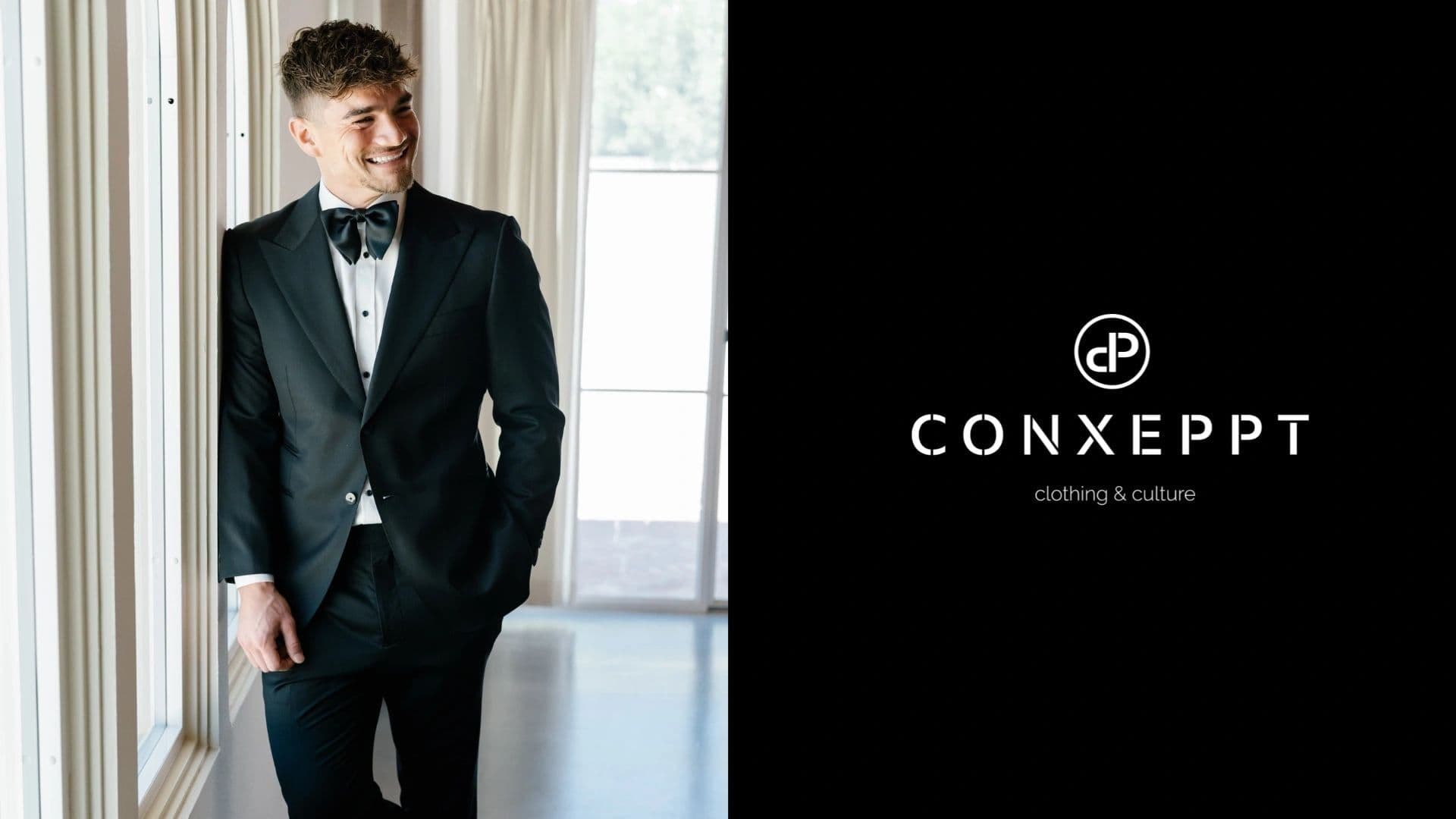
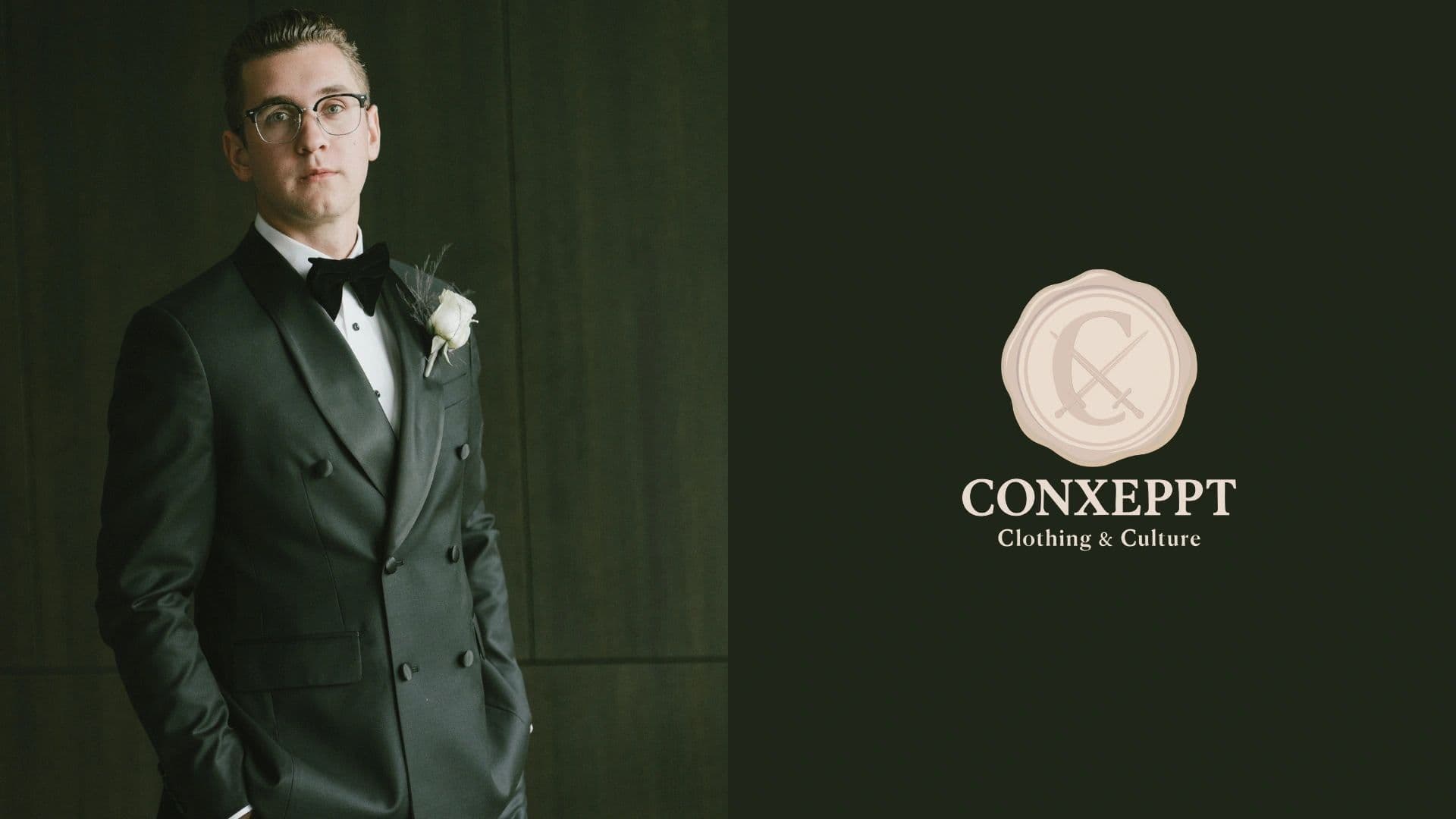
A classic black tie outfit typically includes a tuxedo jacket paired with matching tuxedo trousers. These garments are designed as a coordinated set and traditionally feature satin details that distinguish them from suits.
The trousers typically include a satin stripe running along the outer seam.
The outfit also includes a formal dress shirt designed specifically for tuxedo wear. These shirts commonly feature pleated or bib fronts and are constructed to accommodate studs and cufflinks.
A bow tie completes the core black tie look and distinguishes it from other formal outfits that use neckties.
Fabrics and Formal Details
Tuxedos are visually defined by their fabric details. Satin lapels are one of the most recognizable elements and serve as a defining visual hallmark of tuxedo design. These lapels typically appear in shawl or peak styles.
Additional satin elements may include satin covered buttons or satin trim along the trousers. These details distinguish tuxedos from suits, which typically use the same fabric across all components.
Formal dress shirts used with tuxedos often include structured fronts designed to highlight decorative studs and cufflinks.
Accessories Expected for Black Tie
Traditional black tie accessories help maintain the clean and structured appearance associated with evening formalwear.
Common accessories include:
• Bow ties
• Patent leather dress shoes
• Cummerbunds or waistcoats
• Formal pocket squares
Bow ties and formal shoes are typically expected for black tie attire, while cummerbunds or waistcoats are traditional but optional elements depending on styling preference.
What Formal Dress Code Means
The term “formal” can cause confusion because it sits between black tie and semi-formal attire. In many modern events, formal dress codes prioritize dark suits while still allowing tuxedos depending on the event style.
Formal Suits and Tuxedo Options
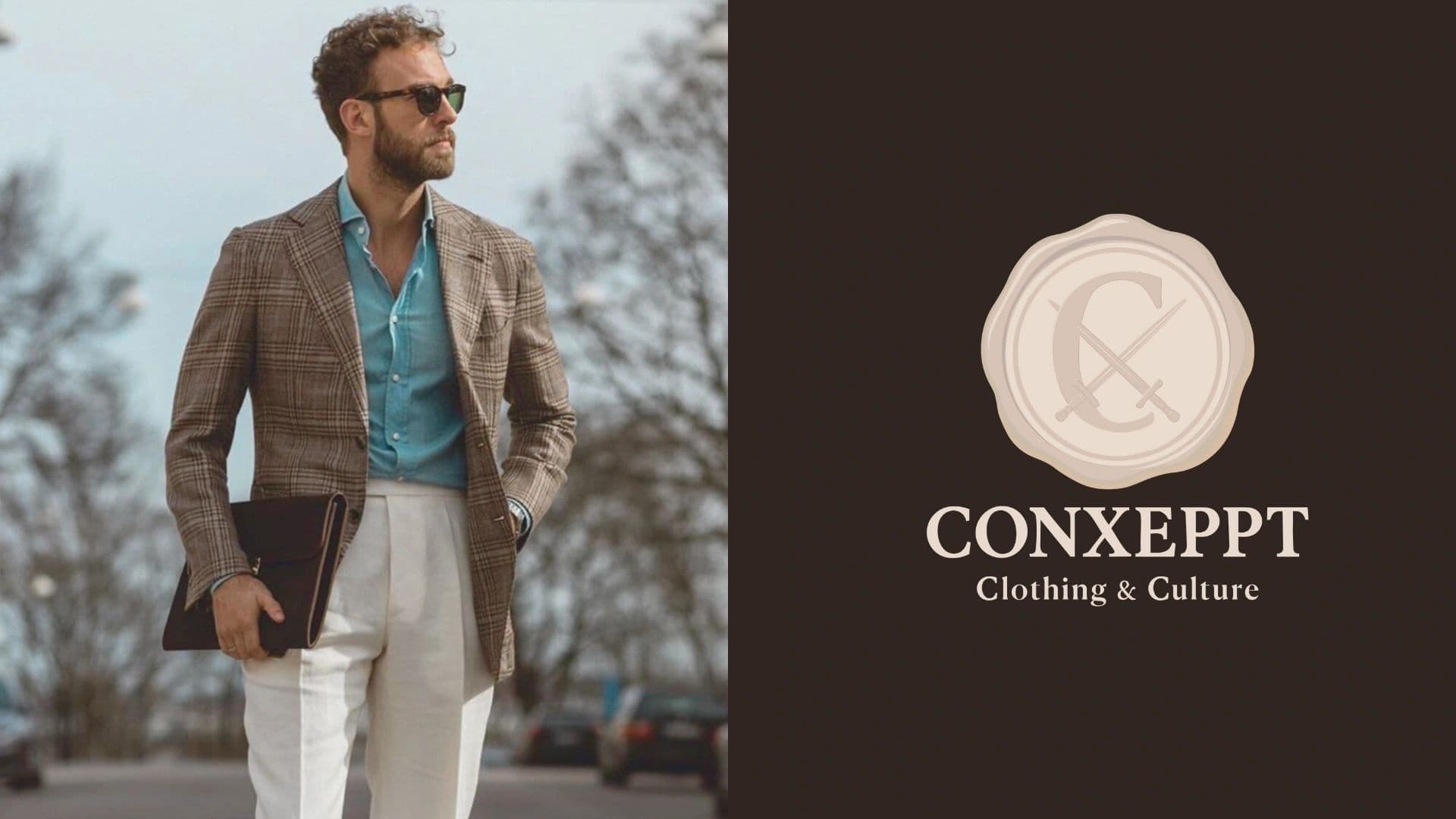
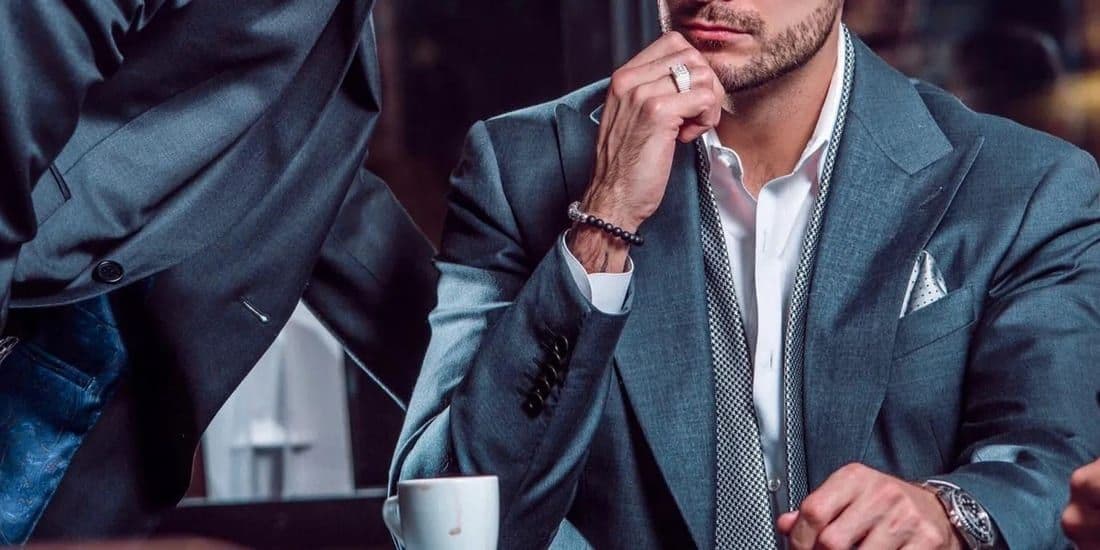
Formal dress codes typically encourage guests to wear dark suits with dress shirts and ties. Tuxedos may also appear at formal events, particularly during evening ceremonies or upscale venues.
Daytime formal events more commonly involve suits, while evening formal occasions may include a mix of tuxedos and suits depending on the tone of the event.

Appropriate Fabrics and Colors
Formal attire generally favors darker fabrics and refined tailoring. Common suit colors for formal events include navy, charcoal, and black.
Darker colors are traditionally associated with higher levels of formality and evening wear, which is why they are commonly used for weddings and other formal occasions.
Fabric choices often include wool or wool blends that maintain structure and drape well during extended wear.
Accessories for Formal Events
Formal outfits typically incorporate accessories that elevate the appearance of a suit while remaining distinct from tuxedo styling.
Appropriate accessories may include:
• Neckties
• Dress shoes
• Waistcoats
• Pocket squares
Unlike black tie attire, formal dress codes typically rely on neckties rather than bow ties and avoid tuxedo-specific elements such as satin trim.
What Semi-Formal Dress Code Means
Semi-formal dress codes represent a more relaxed interpretation of formalwear. While suits remain the standard garment, semi-formal attire allows broader flexibility in color, styling, and accessories.
Suit Expectations for Semi-Formal Events
Suits remain the most common choice for semi-formal events. However, guests may choose a wider range of colors and fabrics compared with formal attire.
Seasonal fabrics or lighter colors may be appropriate depending on the venue, time of day, and event atmosphere.
Shirt and Tie Options
Semi-formal dress codes allow more variation in shirts and ties. Patterned shirts, textured fabrics, and different tie styles may be appropriate depending on the event.
Open collars may also be acceptable for daytime or relaxed semi-formal events, although evening occasions generally still favor wearing a tie.
Footwear and Accessories
Footwear and accessories for semi-formal events tend to be less rigid than those required for formal attire.
Dress shoes remain the standard option, but guests may incorporate different leather finishes or slightly more relaxed styling compared with strictly formal outfits.
Accessories such as pocket squares, tie bars, or patterned ties may also be used to add personality to the outfit.
Common Misconceptions About Dress Codes
Many styling mistakes occur because dress code terms are often used incorrectly on invitations or event descriptions.
When Invitations Use the Wrong Terms
Event hosts sometimes label weddings or gatherings as “black tie” when the event atmosphere does not actually follow traditional black tie expectations. In other cases, invitations may say “formal” when the event is closer to semi-formal.
When this happens, guests can often interpret the intended level of formality by evaluating factors such as the venue, event timing, and the overall style of the celebration.
Overlap Between Formal and Semi-Formal
Formal and semi-formal dress codes often overlap in practice because both commonly involve wearing a suit.
The distinction typically appears in styling choices. Formal attire favors darker fabrics, conservative accessories, and structured tailoring, while semi-formal events allow greater flexibility in color, fabric texture, and personal styling.
Avoiding Styling Mistakes at Weddings and Events
Guests can reduce uncertainty by evaluating several aspects of the event before selecting their attire.
• Confirm event timing
• Check venue formality
• Review invitation wording
• Consider the host’s expectations
• Avoid over or under dressing
These factors provide useful context clues that help guests interpret the intended dress code and select appropriate attire.
Choosing the Right Formalwear for the Event
Selecting the appropriate outfit often becomes easier when guests understand the context of the event. Venue type, time of day, and dress code wording all contribute to determining the correct level of formality.
Stylists can help interpret dress code terminology, recommend appropriate garments, and ensure proper fit for the event.
Guests exploring modern menswear collections can review different tailoring styles and accessories to find options that align with the event’s expectations.
Guests may also consider the overall wedding theme or wedding party styling when choosing formalwear.
Those unsure about how to interpret a dress code can book a styling consultation to receive guidance on selecting appropriate attire for weddings and formal events.