
The phrase quiet luxury has been passed around endlessly these past months, an aesthetic boiled down to oatmeal sweaters, restrained tailoring, and the absence of logos. It’s been reduced to a mood board of beige. But here’s the truth: quiet luxury was never quiet. It was disciplined.
Luxury in its purest form has always required rigour. A double-breasted suit is not merely purchased; it is carefully maintained. Fine shoes are not worn—they are polished, re-soled, and kept alive with cedar trees. A jacket isn’t left to chance; it is pressed, brushed, and altered as your body changes. The true hum of luxury is not silence—it is the subtle rhythm of care, the maintenance rituals that never make it to Instagram.
A History of Restraint
The men who understood this best were never chasing a hashtag. On Savile Row, gentlemen once returned to their tailors year after year, not to refresh their wardrobes but to refine them. A sleeve shortened, a waistband let out, a lining replaced. Luxury was the discipline of making a garment last decades longer than the impulse buy of the season.
The Italians had sprezzatura—a kind of studied ease—but even that was underpinned by a careful hand. The English preferred restraint, a rigid backbone of tailoring rules. In both cases, it was discipline disguised as elegance. Even the old families—the so-called “old money”—understood that luxury meant handing garments down, re-lined and re-stitched, rather than replaced.
What was quiet about that? Nothing. It was rigorous, demanding, and almost ascetic.
Maintenance: The Real Status Symbol
Today’s “quiet luxury” is often presented as passive: buy a logo-less sweater and suddenly you’re discreetly wealthy. But the reality is less romantic. The true quiet luxury is the discipline of upkeep.
- Shoes are polished after every wear.
- Wool is brushed before being returned to its hanger.
- A tailor called in when weight shifts alter the drape of a shoulder.
- Shirts are pressed and spot cleaned after every wear.
This isn’t performance. It is a ritual. And rituals are louder than logos—they require time, attention, and an unspoken devotion to standards.
The Irony of the Modern Take
The irony is this: what the world now calls “quiet luxury” is often nothing more than a muted flex. A sweater without a logo still screams when it’s treated as a hashtag. A truly disciplined person is fine with logos; they simply don’t care enough to be the reason they buy.
True quiet luxury isn’t about broadcasting restraint. It’s about whether you’re willing to maintain it, whether you can sustain the weight of care that makes a wardrobe live long after fashion’s seasonal turnover.
Tailoring: Discipline in the Details
Nowhere is this clearer than in the tailoring industry. The details most overlooked are the details that matter most:
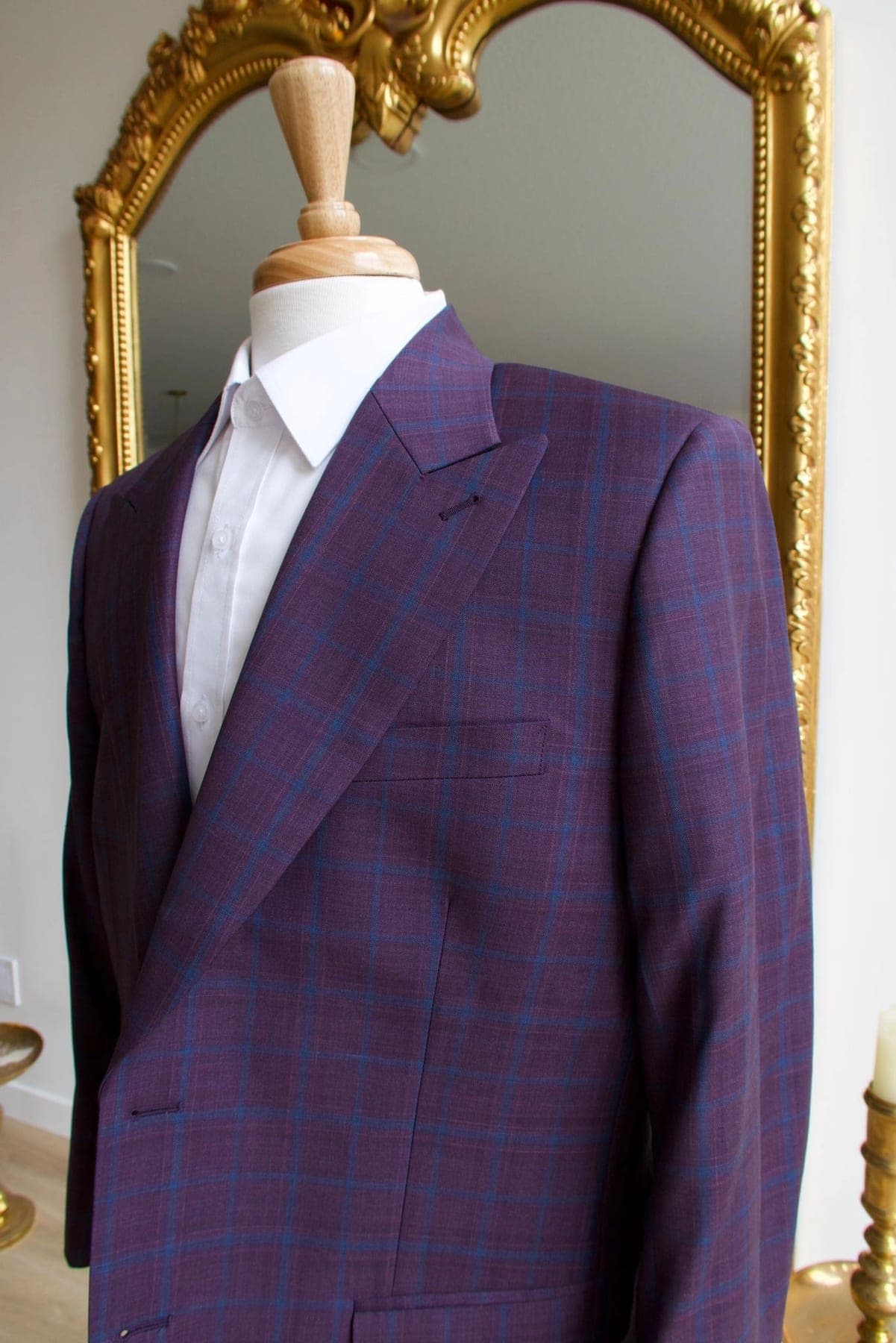
- Hand-Padded Lapels: The patience stitched inside, invisible to all but the wearer.
- Surgeon Cuffs: Functional sleeve buttons that exist for no other reason than to honour tradition and adjustment.
- Horn Buttons Over Plastic: A choice of permanence over convenience.
- Proper Trouser Break: Not trend-driven, but a habit of correctness.
- Shoulder Expression: Rope, soft, or natural—the line that announces your taste before you ever speak.
Each is less about shouting taste and more about training discipline.

Discipline Beyond the Wardrobe
The truth is, quiet luxury is a metaphor for life itself. It’s the same discipline that keeps a man investing instead of spending. The same patience that makes him maintain his marriage, rather than replace it. The same care that ensures he revisits his tailor instead of chasing fast fashion.
Luxury isn’t silent—it is practiced. And the practice echoes beyond the wardrobe.
Quiet luxury is not about sweaters without logos or Instagram mood boards in beige. It is about the rigour to maintain, the rituals of refinement, the patience to sustain.
Logos are loud for a season. Discipline echoes for a lifetime.
Written by: Dave Pavelich, Creative Director, Conxeppt Clothing & Culture.