
Art has the remarkable power to transcend time, influence cultures, and provoke deep contemplation. Over the centuries, numerous paintings have left an indelible mark on society, shaping how we perceive the world and ourselves. In this blog post, we will explore five of the most influential paintings of all time, delving into the stories behind their creation, the historical context in which they were made, and the philosophical meanings they convey.
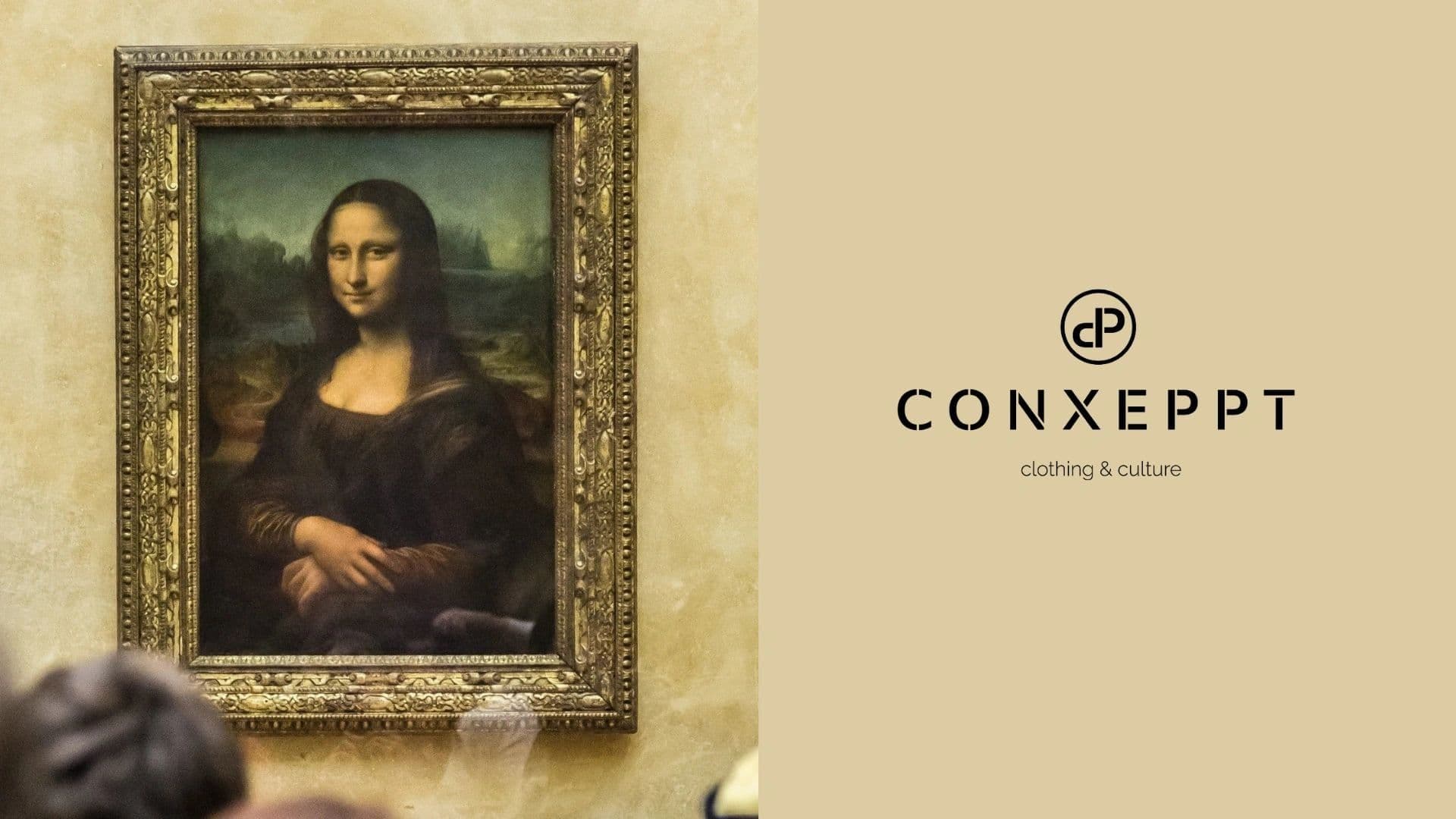
1. Mona Lisa by Leonardo da Vinci (1503-1506)
- Global Recognition: The Mona Lisa is arguably the most famous painting in the world, attracting millions of visitors to the Louvre Museum each year.
- Artistic Mastery: Leonardo da Vinci’s technique and attention to detail in this painting are unparalleled, showcasing the pinnacle of Renaissance art.
- Cultural Impact: The Mona Lisa has permeated popular culture in countless ways, becoming a symbol of artistic excellence and mystery.
Philosophical Meaning
The “Mona Lisa” is a testament to da Vinci’s mastery of the sfumato technique, creating a soft, gradual transition between colours and tones. This contributes to the painting’s dreamlike quality, prompting viewers to ponder the nature of reality and perception. Mona Lisa’s mysterious expression has also been interpreted as a reflection of the complexity of human emotions and the enigma of existence.
2. Starry Night by Vincent van Gogh (1889)
- Emotional Depth: This painting is a powerful expression of Van Gogh’s mental state and perception of the world around him, resonating with many who have experienced similar feelings.
- Visual Impact: The swirling patterns and bold use of colour make Starry Night instantly recognizable and visually stunning.
- Enduring Popularity: Despite being created over a century ago, Starry Night continues to capture the public’s imagination and is a staple of art education worldwide.
Philosophical Meaning
“Starry Night” explores the connection between the individual and the universe, highlighting the beauty and mystery of the night sky. Van Gogh’s swirling patterns and intense colours convey his emotional turmoil and his search for meaning in the midst of chaos. The painting encourages viewers to contemplate their own place in the universe and the beauty that can be found in even the darkest times.

3. The Persistence of Memory by Salvador Dalí (1931)
- Surrealism Defined: This painting is a quintessential example of Surrealist art, showcasing Dalí’s ability to create dreamlike, irrational scenes that challenge our perceptions of reality.
- Philosophical Undertones: The melting clocks and barren landscape provoke deep contemplation about the nature of time, memory, and existence.
Philosophical Meaning
“The Persistence of Memory” challenges our conventional perceptions of time and reality, illustrating the fluidity of memory and consciousness. Dalí’s melting clocks symbolize the relative nature of time, encouraging viewers to reflect on the impermanence of life and the elusive nature of memory.
4. The Last Supper by Leonardo da Vinci (1495-1498)
- Historical Significance: As one of the most important works of Christian art, The Last Supper has played a crucial role in religious and artistic narratives for centuries.
- Technical Innovation: Da Vinci’s use of perspective and his ability to capture the emotional intensity of the scene demonstrate his revolutionary approach to art.
Philosophical Meaning
“The Last Supper” explores themes of betrayal, faith, and redemption, capturing a pivotal moment in Christian narrative. Da Vinci’s use of perspective and his meticulous attention to detail highlight the emotional intensity of the scene, prompting viewers to contemplate the nature of loyalty, sacrifice, and the human condition.

5. Guernica by Pablo Picasso (1937)
- Political Impact: Created in response to the bombing of Guernica during the Spanish Civil War, this painting is a powerful anti-war statement and a reflection of Picasso’s political activism.
- Artistic Innovation: Picasso’s Cubist style and the monochromatic palette create a chaotic and impactful visual experience, capturing the brutality of war.
Philosophical Meaning
“Guernica” is a searing commentary on the cruelty of war and the toll it takes on humanity. Picasso’s disjointed figures and the stark monochromatic palette convey the chaos and despair of the scene, urging viewers to reflect on the devastating consequences of violence and the importance of peace.
These five paintings, spanning different periods and artistic movements, each hold a unique place in the history of art. They challenge our perceptions, provoke thought, and remind us of the profound impact art can have on society and the individual. By exploring the stories, historical context, and philosophical meanings behind these works, we gain a deeper appreciation for the transformative power of painting and its enduring ability to inspire, enlighten, and move us.
We invite you to schedule an appointment at 780.994.9402. This is your opportunity to step into a realm where clothing is curated with passion as the most revered paintings in history.