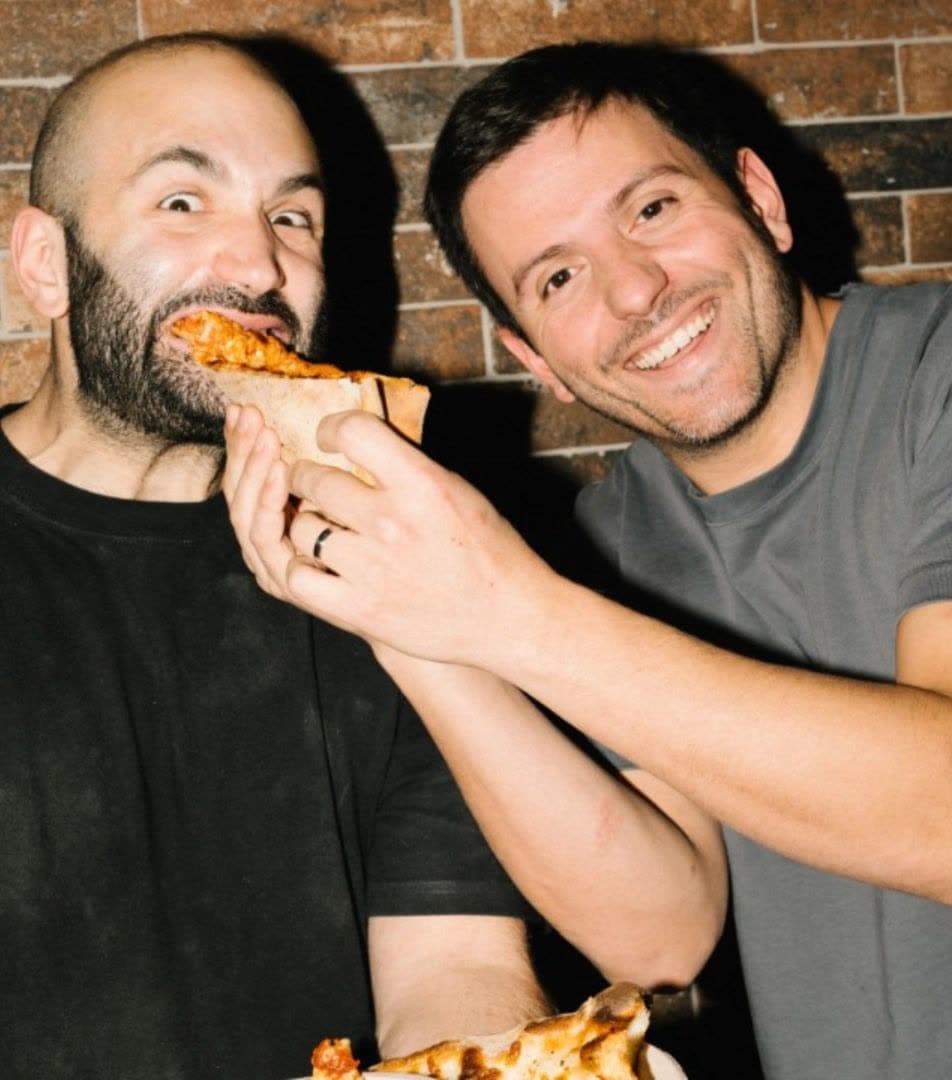


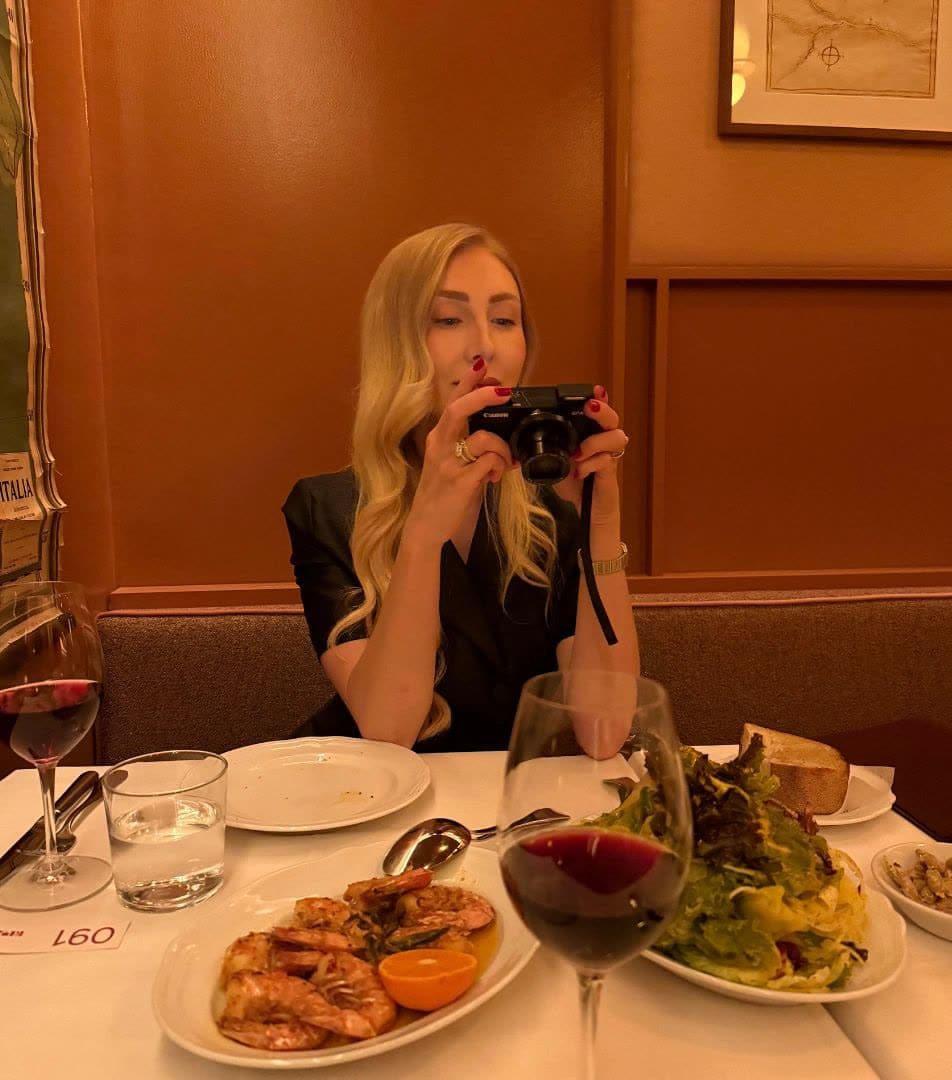
Edmonton does not have a restaurant problem. It has a restaurant survival problem. There is an important distinction.
Over the last decade, Edmonton’s dining scene has quietly become more ambitious, more independent and considerably more interesting. We have talented chefs taking risks, thoughtful rooms, serious cocktail and wine programs, and restaurants that would feel perfectly at home in much larger cities. Yet we keep watching good restaurants disappear.
Recently, another wave of downtown Edmonton restaurants has closed its doors or announced closures. Every restaurant has its own circumstances, of course. Hospitality has always been a notoriously difficult business, and it would be simplistic to blame every closure on one issue. But when enough good places disappear from the same part of a city, it becomes worth asking a larger question: what kind of city are we creating for the businesses that make Edmonton interesting?
Because great cities are not built by restaurants alone. They are built by people who actually go to them. Who are the tastemakers?
Edmontonians frequently say they want more. More independent restaurants. More interesting cocktail bars. Better patios. Better nightlife. More chef-driven concepts. More reasons to stay downtown after work. Then something new opens. We wait in line, and support the openings in mass numbers, and typically never go back...
Restaurants cannot survive on cultural approval. They need reservations.
There is sometimes a disconnect between the Edmonton we say we want and the Edmonton our spending habits actually support. We want the independent wine bar, but default to the familiar chain. We want interesting neighbourhoods, but drive home immediately after work. We want a vibrant downtown, but hesitate to spend an evening there. We want entrepreneurs to take risks, while remaining remarkably conservative with where we spend our own money. Eventually, those contradictions show up on a balance sheet.
Operating a restaurant anywhere is difficult. Operating one downtown introduces another set of variables entirely. Restaurants depend on ecosystems: office workers at lunch, residents at dinner, tourists on weekends, events bringing people into the core, nearby businesses generating foot traffic and a public realm that makes people want to linger. Remove enough pieces and the economics become increasingly difficult.
A restaurant cannot manufacture a neighbourhood around itself. It can create a beautiful room. It can hire talented people. It can build a thoughtful menu, pour great wine and provide excellent hospitality. But it cannot single-handedly solve perceptions of safety, empty storefronts, parking frustrations, declining office traffic or streets that become noticeably quieter after business hours. Those are city-building problems, and eventually they become restaurant problems.
When an independent restaurant closes, we tend to discuss it as though Edmonton has simply lost somewhere to eat. We lose considerably more than that. Restaurants are part of the cultural infrastructure of a city. They are where deals are discussed, anniversaries happen, first dates become relationships and visitors are taken when we want to show them our city. They are where chefs experiment, hospitality professionals learn their craft, and countless other local businesses find work.
The best restaurants become part of a city’s identity. Think about the world’s great cities and food is inseparable from how we imagine them. Paris has its cafés. Tokyo has its tiny counters and obsessive culinary precision. New York has institutions that survive generations. London has its pubs, dining rooms and restaurants where business and culture overlap. Montreal perhaps understands better than any Canadian city that restaurants are not simply places that sell food. They are part of the mythology of the city.
Edmonton needs to start thinking the same way.

That does not mean supporting local blindly. Restaurants have a responsibility too. A restaurant does not deserve longevity simply because it is independent. The food needs to be good. The service needs to be sharp (often a miss). The room needs atmosphere. Pricing needs to make sense. Concepts need identities. Most importantly, restaurants need to give people a reason to return.
The strongest restaurants understand that they are not merely serving dinner. They are designing an experience. Lighting matters. Music matters. The way you are greeted matters. The glassware matters. The menu matters. The bathrooms matter. The five minutes between sitting down and receiving your first drink matter. Taste is cumulative. The restaurants that understand this become destinations rather than conveniences.
Edmonton should demand more from its restaurants, but we should also reward the ones delivering it.
There is another cultural habit worth reviving: becoming a regular. Modern dining culture has become obsessed with novelty. We chase the new opening, the restaurant everyone is suddenly posting about, and the dish we supposedly need to try. Then we move on.
But the backbone of great restaurant cities is not people constantly chasing what is new. It is regulars. People who have a table they prefer. A bartender who knows their drink. A server they request. A restaurant where they bring clients, friends and family. There is something deeply civilized about having places where you are known, and economically, those relationships matter.
Perhaps we need fewer restaurant bucket lists and more restaurants we actually belong to.
The conversation around downtown inevitably becomes one about taxes, leases, construction, parking, policing, transit and economic incentives. Those things matter and deserve serious attention. But there is also a less comfortable component to this conversation: culture is participatory.
A vibrant downtown cannot be created entirely through policy. At some point, people have to show up. They have to make the reservation. Attend the event. Have the second drink. Walk to another venue afterward. Bring their friends downtown. Spend money with independent businesses. Recommend the places they love. And, crucially, return.
Cities become interesting because enough people collectively decide that interesting things are worth supporting.
There is a phrase we use often at Conxeppt: taste is cultivated. That applies to far more than clothing. Taste is knowing where to eat, knowing what to order, understanding hospitality, discovering a neighbourhood and recognizing when someone has created something special. It is also supporting that something while it still exists, rather than celebrating it retrospectively once it is gone.
Edmonton has talented chefs. It has ambitious restaurateurs. It has beautiful rooms. It has entrepreneurs willing to bet significant amounts of money, time and reputation on the belief that this city wants something better. The question is whether the rest of us are willing to meet them halfway.
So the next time someone tells you Edmonton needs better restaurants, ask them where they ate last weekend.
Because cities ultimately get the culture they support.
And if we want Edmonton to become a city known for exceptional restaurants, exceptional hospitality and exceptional experiences, we cannot simply mourn these places when they disappear.
We have to occupy them while they are still here.
~ Dave Pavelich, Founder, Conxeppt.