

Fall is when getting dressed becomes interesting again.
Summer has its advantages, but from a style perspective, it leaves relatively little room for layering. A shirt. A trouser. Perhaps a lightweight jacket if the evening allows it. Autumn changes the equation. Jackets return. Knitwear comes out. Wool gets heavier. Suede starts making sense. Colours deepen. Texture becomes visible.
And suddenly, style is no longer about individual pieces.
It is about layers, textures, proportions and how they speak to one another.
This is where taste begins to reveal itself.
The Well-Dressed Understand Layers
The well-dressed rarely look good because of one exceptional garment. What you notice is composition: several relatively simple pieces working together properly.
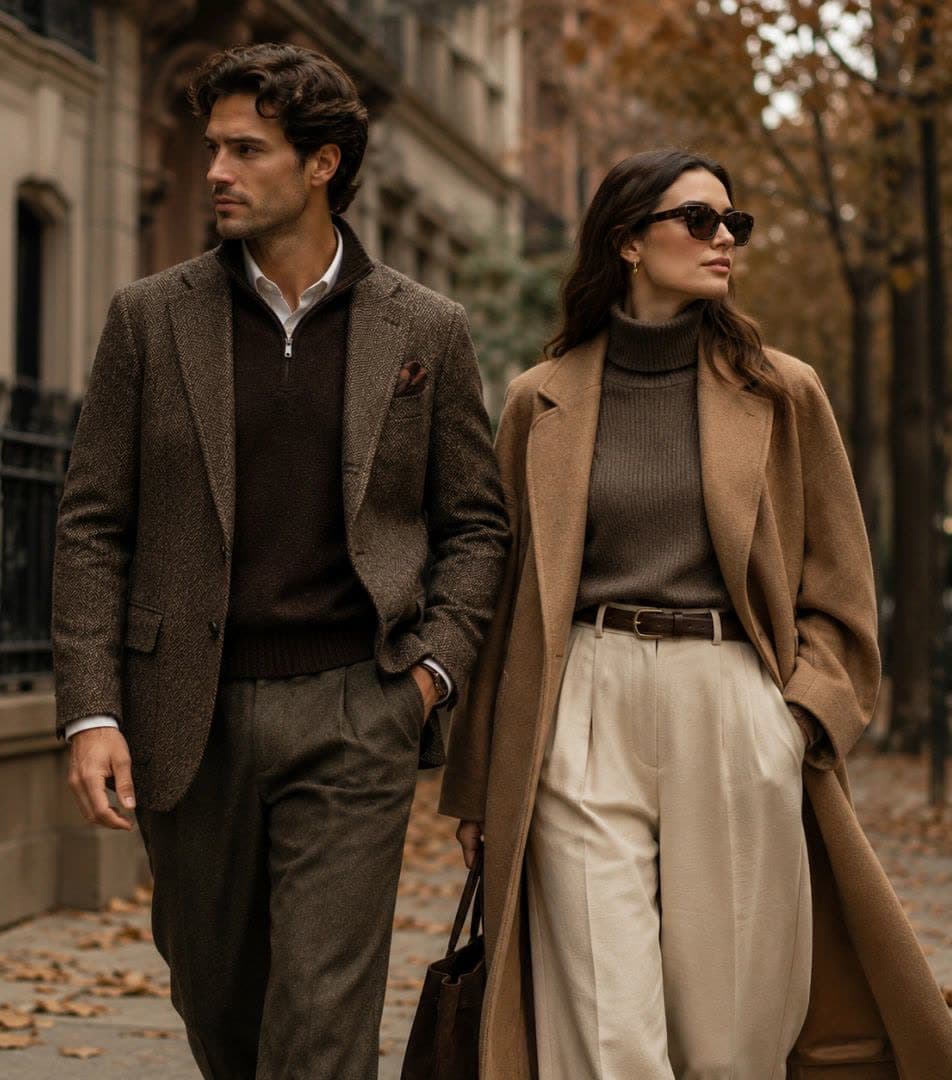
A brushed cotton shirt underneath a merino knit. A tweed jacket over top. Flannel trousers below. Suede loafers or boots grounding everything.
Or perhaps a fine rollneck underneath a structured coat, paired with wool and leather.
Nothing needs to scream for attention. There is simply depth.
That depth is one of the fundamental differences between wearing clothes and styling them.
Think about an interior with nothing but smooth white surfaces. It may be clean, but without wood, stone, leather, metal or fabric, it can feel sterile. Clothing works much the same way. Texture gives the eye somewhere to go.
Fall gives you the greatest opportunity to use it.
Start With Fabric, Not Colour
Most people shop by colour.
You see a brown jacket and think, I need a brown jacket.
But a better question is: what kind of brown jacket?
Brown worsted wool, brown cashmere, brown herringbone tweed and brown corduroy can occupy completely different places in your wardrobe despite technically being the same colour.
Fabric determines how a garment feels, how it drapes, how formal it appears and what can comfortably be worn with it.
A smooth worsted wool is cleaner and more formal. Flannel is softer, warmer and more relaxed. Tweed is rugged and textural. Cashmere is exceptionally soft and luxurious. Corduroy brings dimension and casual character. Suede introduces richness without needing pattern.
Once you begin seeing clothing through fabric first, your wardrobe becomes considerably easier to build.
Understanding Fall Weight
Not all wool is winter wool.
Fabric weight is generally measured in grams per square metre, often written as GSM, although some mills also use ounces.
For transitional weather, fabrics around 220–280 GSM can work beautifully. They provide enough substance for cooler temperatures without feeling excessively heavy indoors.
Move into roughly 280–350 GSM, and you enter particularly useful territory for fall tailoring: flannels, more substantial worsteds, textured jackets, skirts and trousers with noticeably more body.
At 350 GSM and above, cloth begins moving toward serious cold-weather territory. Heavy tweeds, coating fabrics and traditional winter cloths can easily reach 400 or 500 GSM and beyond.
Heavier does not automatically mean better.
Choose weight according to climate, use and garment.
If most of your day is spent moving between a heated office, vehicle and restaurant, your requirements are very different from someone spending significant time outdoors.
This is why fabric selection should begin with your lifestyle rather than simply choosing the most attractive swatch.
The Fabrics Worth Knowing
Flannel may be one of the most useful fall fabrics available. Its slightly brushed surface absorbs light rather than reflecting it, creating a softer appearance than traditional worsted wool. Grey flannel trousers are a classic for a reason, but brown, taupe, olive and charcoal deserve equal consideration.
Tweed brings considerably more texture. Herringbone, Donegal, checks and traditional country patterns give a garment visual depth before another layer is even introduced. Tweed also tends to be heavier and more durable, making it particularly appropriate as temperatures fall.
Cashmere provides warmth without excessive weight and introduces an unmistakable softness. It is excellent for knitwear, scarves, overcoats and luxury jacketing, although pure cashmere generally requires more care than harder-wearing wool.
Merino wool is one of the easiest layering materials. Fine-gauge merino can sit comfortably underneath tailoring without adding excessive bulk. A merino polo, rollneck, cardigan or crewneck becomes invaluable as temperatures begin to drop.
Corduroy deserves reconsideration. Fine-wale corduroy can look remarkably sophisticated in trousers, skirts or tailoring, while wider wale creates a more casual and substantial appearance. Brown, tobacco, olive and cream are particularly effective.
Suede is technically leather rather than cloth, but stylistically it belongs in the conversation. A suede loafer, boot, belt, bag or jacket introduces another surface into an outfit and pairs exceptionally well with wool, denim, flannel and tweed.
Fall Has Its Own Colour Language
Autumn colours work because they already exist together in nature.
Chocolate. Tobacco. Camel. Rust. Burgundy. Forest green. Olive. Moss. Taupe. Stone. Cream. Charcoal.
These colours rarely need to be perfectly matched. In fact, they often become more interesting when they aren't.
Consider an olive jacket with cream trousers, tobacco suede and a pale blue shirt. Or charcoal flannel with a chocolate jacket and burgundy knit. A camel coat can sit over almost everything from navy tailoring to denim and knitwear.
The objective isn't to wear every fall colour simultaneously.
Choose one or two dominant colours and allow neutrals to create space around them.
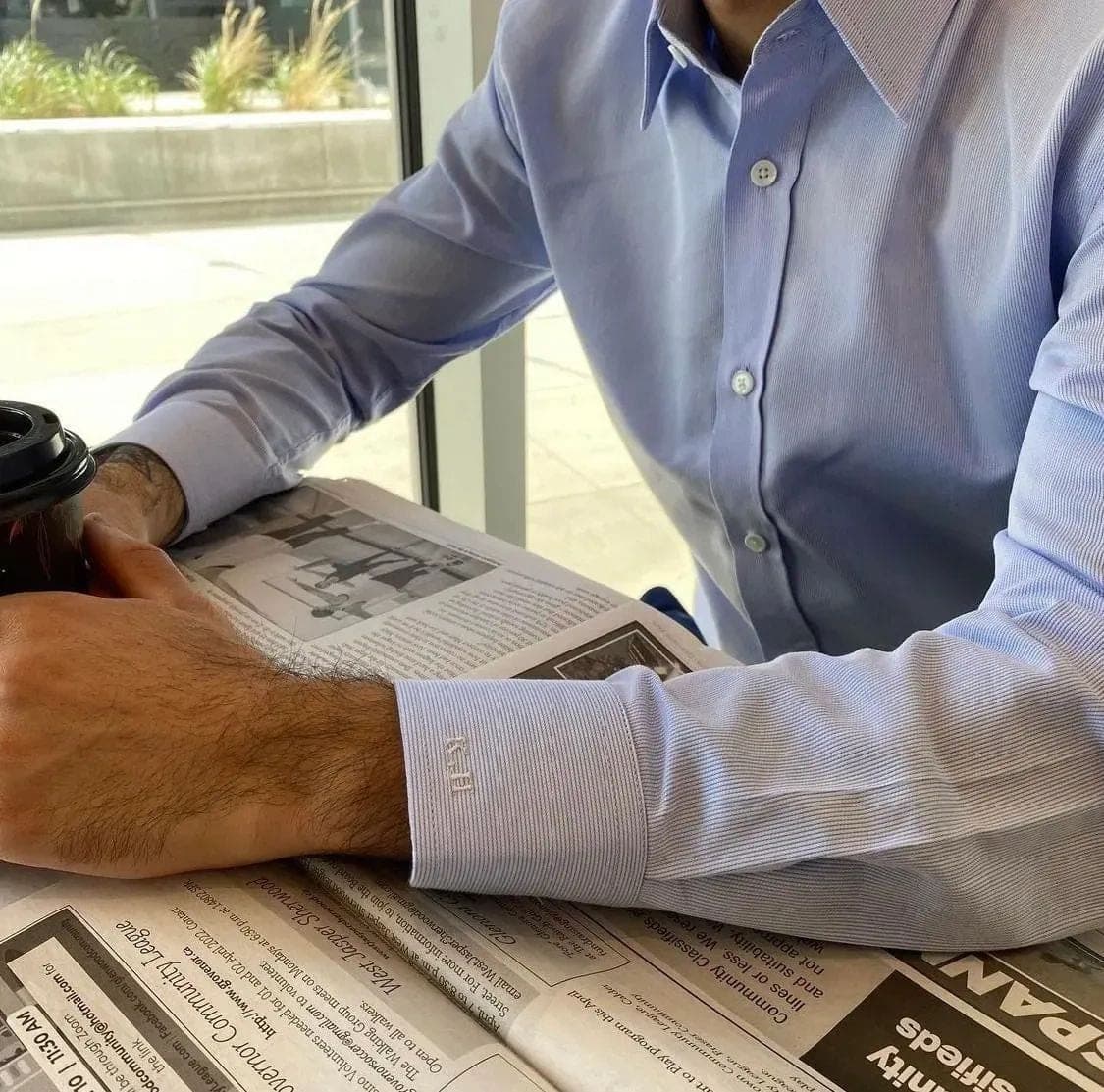
The well-dressed understand that harmony is more important than matching.
How to Mix Texture Without Looking Overdone
Texture should create depth, not noise.
A useful principle is to change the surface as you move through your outfit.
If your jacket or coat is heavily textured, whatever sits underneath can be relatively quiet. If you're wearing Donegal tweed, you probably don't need an aggressively patterned shirt or blouse, patterned scarf and equally patterned trouser competing with it.
Instead, consider the relationship between surfaces.
Tweed. Oxford cotton. Flannel. Suede.
Or cashmere. Wool. Leather. Silk.
Four different textures can coexist beautifully when the colour story remains controlled.
The more complicated the texture, the simpler you can afford to make the palette.
You can also play with degrees of refinement. A luxurious cashmere knit underneath rugged tweed creates tension. So does a tailored flannel trouser with a suede jacket, or silk underneath substantial wool.
Good style often lives somewhere between polished and imperfect.
Layer From Fine to Substantial
There is a practical hierarchy to layering.
Generally, the garments closest to your body should be finer, with texture and weight increasing as you move outward.
Fine cotton or silk can sit underneath merino. Merino can sit underneath tweed. Tweed can sit underneath a substantial wool overcoat.
Each layer becomes slightly heavier.
This keeps your silhouette clean and prevents the common problem of trying to force thick knitwear underneath a jacket or coat that was never designed to accommodate it.
This becomes particularly important with custom clothing.
If you intend to regularly wear a jacket over knitwear, tell your clothier. Small adjustments in the right places can completely change how comfortably the layering system works.
The well-dressed don't simply think about individual garments. They consider how those garments will live together.
Pattern Requires Restraint
Fall fabrics naturally introduce more pattern: herringbone, windowpane, glen check, Donegal flecks, stripes and checks.
The easiest way to combine them is through scale.
If your jacket has a large check, use a smaller pattern elsewhere. If your shirt or blouse has a visible stripe, keep the trouser or skirt relatively quiet. When two patterns are similar in scale, they tend to fight each other.
You don't need three patterns to demonstrate taste.
Often the stronger move is allowing texture to function as pattern.
A solid brown herringbone jacket, for example, can appear almost solid from across the room but reveal considerably more character up close.
That subtlety is worth pursuing.
Taste Is Not Buying More
There is a misconception that taste comes from exposure to expensive things.
Exposure helps. Money gives you access to better materials.
Neither guarantees taste.
Taste is developed through discernment.
You begin noticing why one brown works better than another. Why a matte surface looks better beside something with sheen. Why an outfit needs contrast. Why a substantial shoe or boot works underneath heavier cloth. Why certain combinations feel forced while others feel inevitable.
You learn the rules.
Then you develop enough sensitivity to know when breaking them makes the outfit better.
That process takes time.
Look at old photographs. Study tailoring and fashion. Pay attention to architecture and interiors. Notice combinations in restaurants and hotels. Look at how nature puts colours beside one another. Handle good cloth. Compare inexpensive wool to exceptional wool. Compare lightweight trousers to proper flannel.
The well-dressed pay attention.
Taste is not downloaded.
It is cultivated.
Build Your Fall Wardrobe as a System
Instead of buying ten unrelated pieces this fall, build around a small material and colour story.
Start with a textured jacket or coat in brown, olive or grey. Add foundational pieces in charcoal, cream, chocolate or taupe. Introduce fine-gauge knitwear in cream, chocolate, burgundy or forest green. Add Oxford cotton, brushed cotton or silk. Ground the wardrobe with brown suede or leather footwear.
Then consider your outer layer: camel, charcoal, navy, olive or deep brown.
Suddenly, almost everything begins working together.
This is where personal style becomes easier because you're no longer asking whether individual pieces are beautiful.
You're asking whether they belong to the same visual language.
That is the difference between a collection of clothes and a wardrobe.
One gives you options.
The other gives you range.
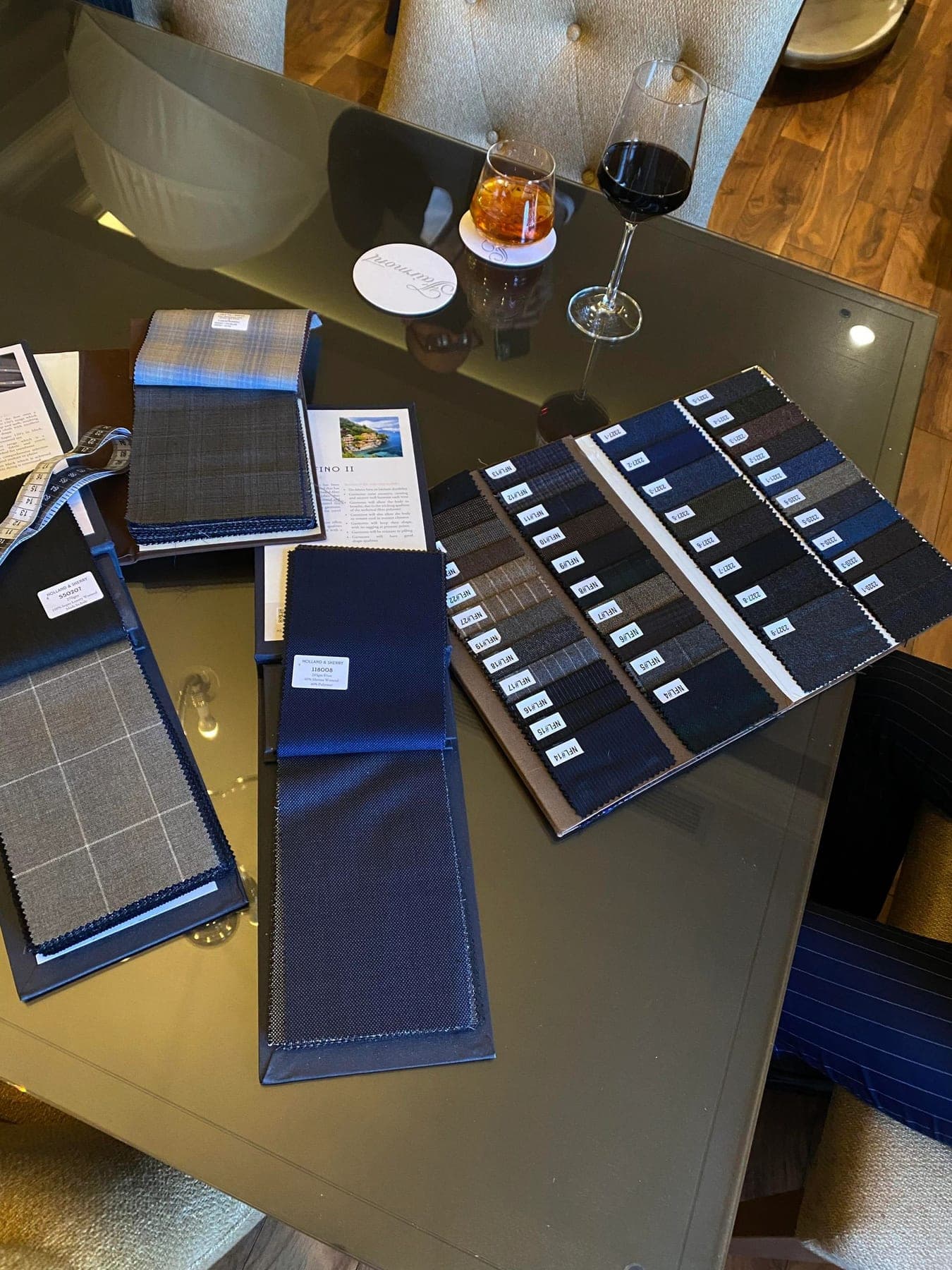
The Fabric Table Changes Everything
This is one of our favourite parts of the custom process at Conxeppt.
Sitting at a table surrounded by fabric books changes the way you understand clothing.
You can physically compare a 250 GSM worsted against a substantial flannel. Put herringbone beside Donegal. Compare olive against forest. Feel the difference between wool, wool-cashmere and pure cashmere.
Then we can ask the question that actually matters:
Where are you going to wear this?
Because the best fabric is not necessarily the most expensive one.
It is the fabric that makes sense for the life you actually live.
Fall is the perfect season to start paying attention. Look beyond colour. Feel the cloth. Notice weight. Study texture. Understand how one material changes another.
Because when fabric, colour, texture and proportion begin working together, getting dressed becomes something more interesting than simply looking good.
It becomes an expression of taste.
And taste, like style, is built deliberately.