
Credibility is fragile! It takes years to build through competence, character, and consistency, yet it can quietly erode in seconds through something as simple as how you present yourself. Research consistently shows that people begin forming judgments about competence, trustworthiness, and authority within the first seven seconds of meeting someone. Before you’ve introduced yourself, before you’ve explained your ideas, signals are already being interpreted.
Clothing is one of those signals. This isn’t about vanity or fashion trends. Clothing functions as non-verbal communication. It tells people whether you are disciplined, detail-oriented, and aware of the environment you’ve entered.
The difference between appearing credible and appearing careless often comes down to a handful of subtle details.
Here are nine style mistakes that instantly undermine credibility.
1. Poor Fit
Fit is the foundation of style.
You can wear the finest fabric in the world, but if the garment doesn’t fit properly, the authority it should convey disappears.
Most men wear clothing that is either too large or poorly balanced on the body. Jackets collapse at the shoulders, sleeves swallow the shirt cuff, or the jacket length is shortened in a way that disrupts the body’s natural proportions.
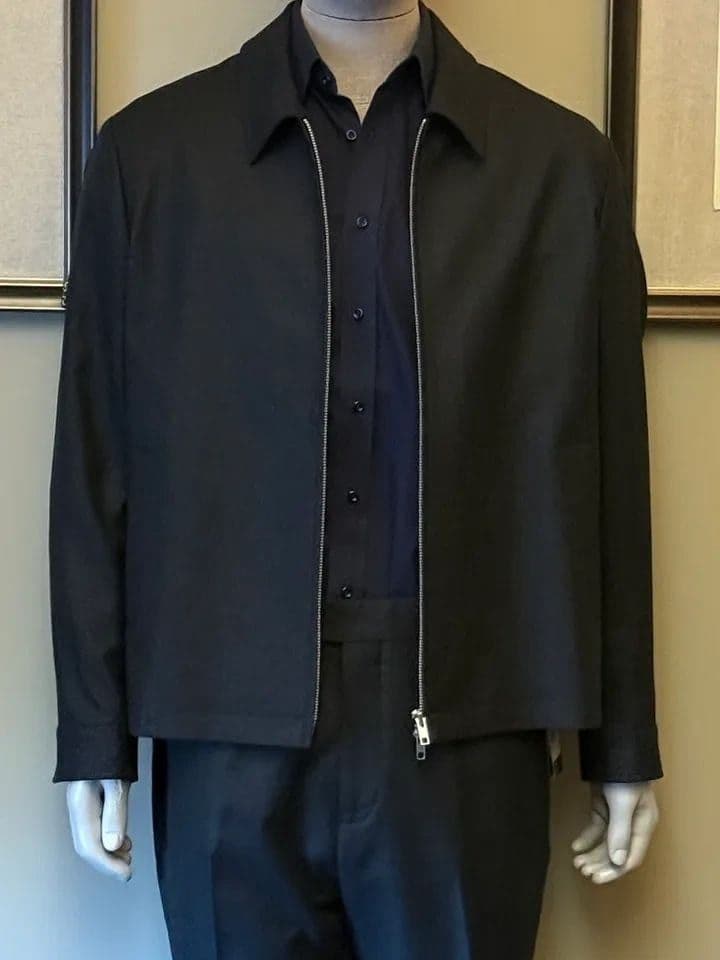
A properly fitted jacket should follow the natural architecture of the body. The shoulders should sit cleanly, the chest should drape smoothly, and the sleeves should allow a subtle amount of shirt cuff to appear. Jackets should also maintain proper proportion through the torso rather than appearing cropped or overly long.
When clothing fits properly, the result is quiet but powerful. The body looks structured, the silhouette looks intentional, and the person wearing it appears composed.
Good fit communicates discipline, awareness, and control.
2. Neglected or Low-Quality Shoes
Shoes are one of the first details people notice, often without realizing it.
A man can wear a beautiful suit, but if the shoes are poorly made, heavily creased, or scuffed beyond repair, the entire outfit loses credibility.
Quality leather shoes age gracefully. With proper care, polishing, and the use of shoe trees, they develop character over time.
Cheap shoes do the opposite. Synthetic materials crease awkwardly, soles deteriorate quickly, and the structure collapses after minimal wear.
Well-maintained shoes signal that a person understands craftsmanship and longevity, qualities that translate directly into perceived competence.
3. Loud Logos
Logos can easily overwhelm an outfit.
When clothing is dominated by branding, attention shifts away from the individual and toward the label itself.
True style has always favored subtlety. Historically, the most elegant wardrobes were defined not by visible branding, but by cut, fabric, and proportion.
When someone relies heavily on logos to signal status, it often suggests insecurity rather than confidence.
Clothing should support your presence, not compete with it.
Quiet refinement almost always communicates more authority than loud branding.
4. Colour and Pattern Mismatch
Colour is one of the most powerful yet misunderstood elements of style.
Many men build outfits by selecting pieces they like individually without considering how those colours interact together. The result is often an outfit that feels visually disorganized, tones competing instead of complementing.
One of the most common mistakes is not understanding which colours work with your natural features. Skin tone, hair colour, and eye colour all influence how clothing appears on the body.
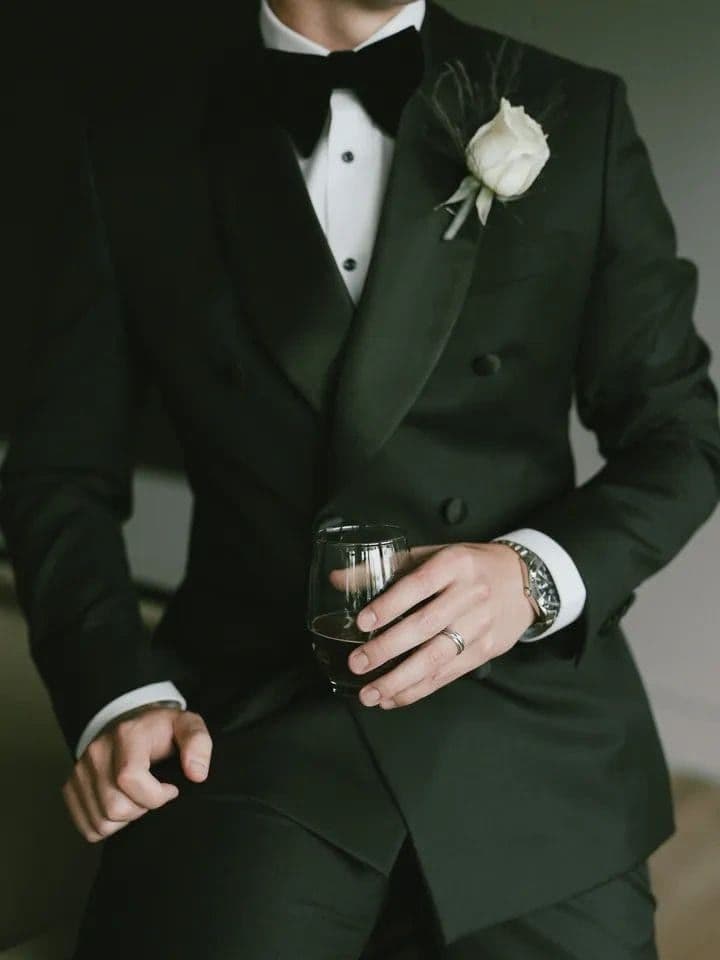
For example, cooler skin tones often work best with colours like navy, charcoal, and deep blues, while warmer skin tones may pair more naturally with earth tones such as olive, brown, and burgundy. When colour works with your complexion, it subtly enhances your appearance rather than fighting against it.
Another frequent issue is pattern mismatch.
Patterns require balance. When multiple patterns are worn together: for example stripes, checks, or florals, they need to vary in scale and spacing so they don’t compete visually.
A large windowpane suit paired with a tight patterned shirt and bold tie can create visual chaos. Instead, patterns should work together hierarchically: one dominant pattern supported by smaller or more subtle ones.
This is why many classic wardrobes rely heavily on foundational colours such as navy, grey, white, and earth tones. They create harmony and allow texture or pattern to be introduced carefully.
When colour and pattern are used intentionally, they elevate an outfit.
When used randomly, they signal a lack of awareness, and credibility suffers quietly as a result.
5. Cheap Fabric
Fabric determines how clothing behaves.
High-quality materials drape naturally, breathe properly, and maintain structure over time. Natural fibers like wool, cotton, linen, and silk have depth and texture that synthetic materials struggle to replicate.
Lower-quality fabrics often appear shiny or flat. They lack the subtle movement that gives clothing elegance.
Fabric also affects durability. Quality materials age with character, while inexpensive fabrics often deteriorate quickly.
People may not always consciously recognize fabric quality, but they instinctively perceive the difference in how a garment looks and moves.
6. Overusing Fragrance
Fragrance is meant to be subtle.
When applied properly, cologne should be discovered during conversation, not announced across a room.
Overapplication is one of the most common grooming mistakes. Heavy fragrance can feel intrusive and overwhelming, particularly in professional environments.
A refined approach involves restraint, a light application that creates a quiet signature rather than a dominant presence.
True elegance often lies in what is barely noticed, yet memorable.
7. Ignoring Grooming
Clothing alone cannot carry an appearance.
Hair, facial grooming, skin care, and general cleanliness play an equally important role in presenting oneself well.
Even the best clothing loses its impact if the surrounding details appear neglected. Unkempt hair, uneven facial hair, or poorly maintained nails quietly signal carelessness.
Grooming reflects discipline. It shows that a person understands that presentation extends beyond clothing into the details of personal care.
8. Low-Quality Accessories
Accessories are small, but they often carry disproportionate influence.
A poorly made belt, low-quality watch, or synthetic leather accessory can subtly undermine an otherwise strong outfit.
Accessories should complement the wardrobe rather than distract from it.
Well-chosen pieces, whether a watch, belt, or leather bag, add depth and character. They demonstrate an appreciation for craftsmanship and longevity.
Small details often reveal the most about someone’s attention to quality.
9. Dressing Without Intention
The most significant mistake is dressing without thought.
Many people approach clothing passively, selecting whatever happens to be available rather than considering the environment, occasion, and message they wish to communicate.
Intentional style is not about extravagance.
It is about alignment.
When clothing aligns with context and personal identity, it strengthens presence. It signals that the individual understands the room they are in and respects the moment.
Intentionality transforms clothing from something you wear into something that supports how you are perceived.
Clothing does not replace character, intelligence, or competence.
But it can amplify them, or quietly undermine them.
The goal of style is not to impress people.
It is to ensure that your external presentation reflects the internal standards you hold for yourself.
Because when the details are right, credibility follows naturally.
Schedule a private one on one consultation today!