When investing in a custom suit, one of the most common questions clients ask is how many fittings are actually required. At Conxeppt, this question comes up early in the process because the number of fittings directly affects comfort, structure, and the final garment's polish. While some people assume a single appointment is enough, a proper custom-tailoring process usually involves multiple stages to achieve a suit that fits naturally and looks intentional from every angle.
The Typical Number of Fittings for a Custom Suit
Most custom suits require two to three fittings from start to finish. This range allows the tailor to establish accurate measurements, evaluate how the suit develops during construction, and refine the garment once it begins to take shape on the body.
It is sometimes possible to complete a suit in fewer fittings, but this usually only happens when several conditions align:
- The design is straightforward and classic
- The fabric behaves predictably once tailored
- The client’s measurements require minimal adjustment
In most cases, each fitting serves a specific purpose. Skipping steps often leads to compromises in structure, balance, or long-term comfort, which defeats the purpose of choosing a custom garment in the first place.
First Fitting: Measurements, Style, and Foundation
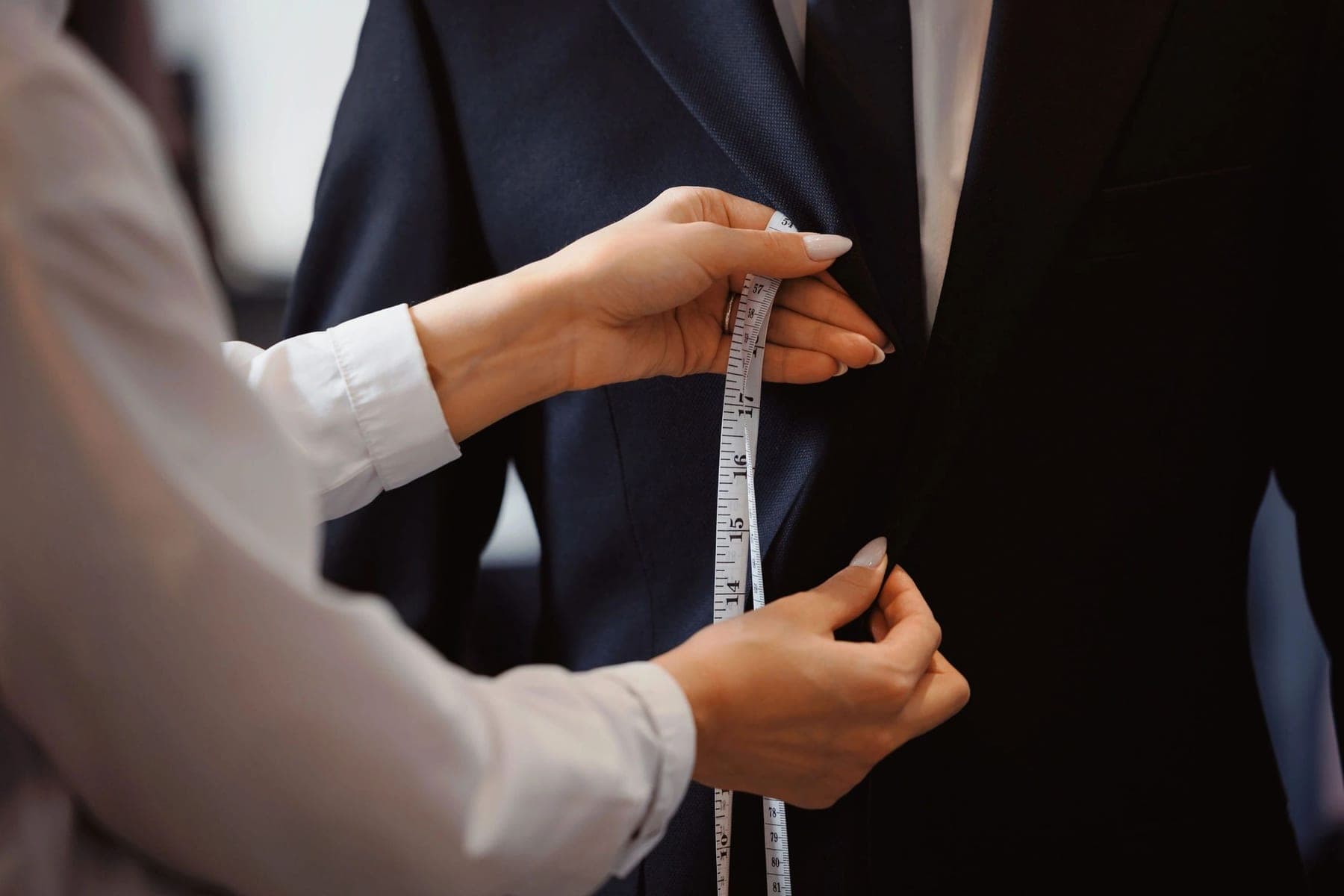
The first fitting is the most important stage of the custom suit process because it establishes the foundation for everything that follows. During this appointment, detailed measurements are taken across the chest, shoulders, waist, hips, sleeves, and posture. These measurements go beyond basic sizing and account for how the body naturally stands and moves throughout the day.
This fitting also emphasizes design decisions. Fabric selection, lapel style, pocket configuration, lining options, and overall silhouette are discussed in detail. The tailor explains how each choice affects drape, structure, and fit so expectations are aligned before construction begins.
By the end of the first fitting, a clear plan is in place for how the suit will be made, how many fittings are likely required, and what the overall timeline will look like based on the client’s needs.
Second Fitting: Initial Construction and Adjustments
The second fitting typically occurs once the suit has been partially constructed. In many cases, this involves a basted fitting or test garment that allows adjustments before final stitching is completed. At this point, the suit begins to resemble the finished product, even though refinement is still expected.
During this fitting, the tailor evaluates several key elements:
- Overall balance and proportion
- Jacket length and sleeve length
- Trouser fit and break
- How the fabric settles and drapes on the body
This is where the majority of structural adjustments occur. Small changes made at this stage can dramatically improve how the suit looks, feels, and moves once it is completed.
Third Fitting: Refinement and Precision
Not every suit requires a third fitting, but it is common when a higher level of precision is desired. This final fitting focuses on fine-tuning details that elevate the suit from well-fitting to exceptional. Adjustments at this stage often improve movement, posture, and long-term comfort.
A third fitting is more likely when:
- The suit includes structured or detailed design elements
- The client prefers a very tailored silhouette
- Additional refinements were identified during the second fitting
For clients who value precision and longevity, this stage ensures the suit performs well throughout a full day of wear rather than only looking good when standing still.
What Can Increase or Reduce the Number of Fittings
Several factors influence how many fittings a custom suit will require, which explains why timelines can differ from one client to another.
Suit complexity plays a major role. A classic two-piece suit with standard details typically requires fewer adjustments than garments with peak lapels, layered construction, or unconventional design elements.
Fabric choice also matters. Heavier fabrics or bold patterns require careful alignment and may need additional refinement once the material settles. Lighter or more forgiving fabrics often require fewer corrections.
Body changes during the process can also add fittings. Weight fluctuations, posture changes, or fitness adjustments between appointments may require additional tailoring to maintain accuracy.
Finally, personal expectations influence the process. Some clients are satisfied once the suit fits well, while others prefer a more refined fit for a sharper, more sculpted appearance.
Realistic Custom Suit Timelines for Edmonton Clients
For clients in Edmonton, a typical custom suit timeline ranges from five to seven weeks. This includes time for fabric sourcing, initial construction, fittings, and final adjustments. Seasonal demand and fabric availability can influence scheduling, especially during peak wedding and event seasons.
Most clients follow a timeline similar to this:
- Initial consultation and measurement appointment
- Second fitting one to three weeks later
- Final fitting one to two weeks after that, if required
- Planning ahead is strongly recommended for clients with specific event dates or deadlines to avoid unnecessary pressure during the process.
- Booking a Custom Suit Fitting in Edmonton
The best way to begin the process is by scheduling a private consultation with an experienced tailoring team. This allows for accurate measurements, clear style discussions, and a realistic fitting schedule tailored to your availability.
Clients looking for custom suit tailoring in Edmonton can explore fabrics, craftsmanship, and the full tailoring experience directly through Conxeppt.
To start the fitting process, you can book a private custom suit appointment in Edmonton using Conxeppt’s secure online scheduling system.
Understanding the Custom Suit Fitting Process
A custom suit is defined by the care taken during the fitting process. While most suits require two to three fittings, the goal is not to minimize appointments but to achieve a garment that fits comfortably, moves naturally, and reflects personal style.
By understanding each stage of the process and allowing time for refinement, clients in Edmonton can approach custom tailoring with realistic expectations and confidence in the final result.