
Deciding whether to replace or alter a suit depends on more than fit alone. The condition of the fabric, the structure of the garment, the extent of the required changes, and the long-term value of the suit all influence the decision. In many cases, professional alterations can significantly extend a suit's useful life. In others, replacement becomes the more practical and cost-effective option. Conxeppt Clothing helps clients evaluate these factors within the context of their current wardrobe, professional needs, personal style, and long-term clothing goals.
The Key Factors That Determine Alteration vs Replacement
Several factors influence whether a suit is a good candidate for alterations. Some issues can be corrected efficiently, while others are limited by the garment's original construction, fabric condition, or design.
Understanding the difference between adjustable fit concerns and structural limitations helps determine which option provides the best long-term value. A suit may still be alterable from a technical standpoint, but that does not necessarily mean it remains the best investment if it no longer supports the wearer's current needs or objectives.
Fit Issues vs Structural Limitations
Most alterations address fit issues rather than fundamental design limitations. Common adjustments such as sleeve length, trouser hemming, waist suppression, and minor jacket refinements can often improve how a suit looks and feels without changing its overall structure.
Structural limitations occur when the garment's construction prevents meaningful improvement. Shoulder width, armhole placement, jacket balance, and overall garment proportions are examples of areas where alteration options may be limited.
A suit that fits reasonably well but requires refinement is often a strong candidate for alterations. A suit that is fundamentally incompatible with the wearer's proportions may be better suited for replacement.
The goal is not simply to make a suit fit tighter or looser. The objective is to maintain balanced proportions throughout the garment. When major adjustments begin disrupting those proportions, alteration options become increasingly limited.
Fabric Wear and Suit Age
Fabric condition is one of the most important factors when evaluating whether a suit should be altered or replaced.
Age alone does not determine suitability. A well-maintained suit worn occasionally may remain a good alteration candidate for many years. Conversely, a heavily used garment may develop wear that affects appearance, durability, and future alteration potential.
Areas that commonly show wear include elbows, seat panels, trouser hems, pockets, and high-friction areas. When fabric integrity begins to decline, alterations may improve fit but cannot restore the garment's overall lifespan.
The remaining life expectancy of the fabric should always be considered before investing in significant tailoring work.
What Alterations Can Realistically Fix
Many common fit concerns can be addressed through professional tailoring.
Alterations are often effective for:
• Shortening or lengthening trouser hems within available fabric allowances
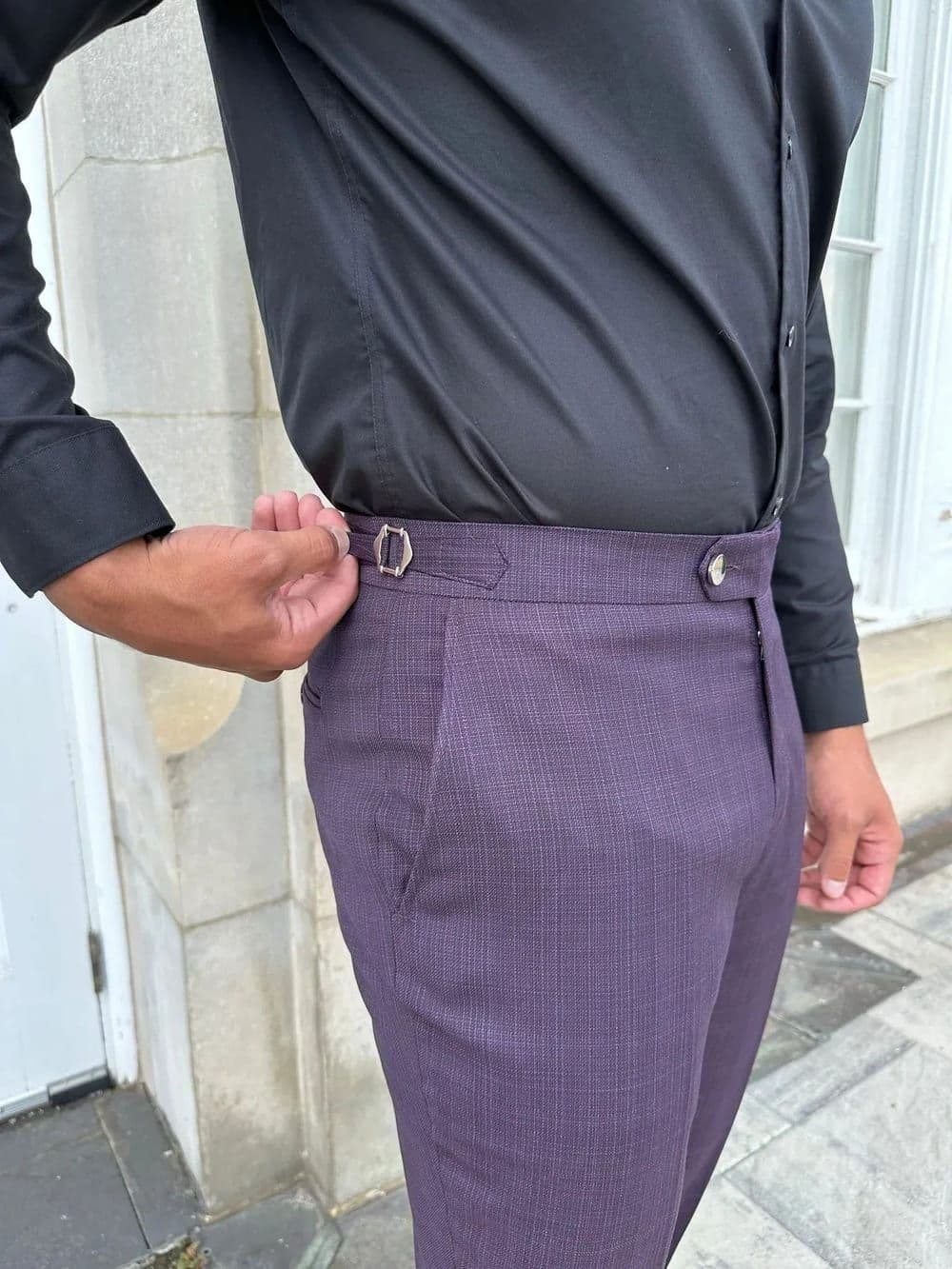
• Adjusting trouser waist size within reasonable limits
• Refining jacket waist suppression
• Shortening sleeves
• Adjusting jacket sleeve width
• Tapering trousers

• Minor seat and leg refinements
These changes can significantly improve fit while preserving the original structure of the garment.
The most successful alterations refine a suit that already fits reasonably well. The further a garment needs to move from its original design, the more limitations typically emerge.
When Alterations Stop Being Effective
Alterations become less effective when the required changes begin affecting the garment's balance, structure, or overall proportions.
Large size changes often create challenges because the suit was originally designed around a specific pattern and silhouette. Even if a tailor can physically make the adjustment, the finished result may not perform or drape as intended.
Every suit is originally designed around a specific set of proportions. As alteration requirements become more extensive, the garment gradually moves further away from the proportions it was originally built to support. At a certain point, replacement allows a garment to be designed correctly from the beginning rather than continually adapting an existing structure.
Limitations also arise when insufficient fabric allowances exist to support the requested changes. Certain adjustments may technically be possible but offer limited value relative to the cost involved.
When multiple major alterations are required simultaneously, replacement often becomes the more practical long-term solution.
Major Body Changes
Body changes can affect multiple areas of a suit simultaneously. Weight gain, weight loss, muscle development, or changes in posture may alter how the garment fits through the shoulders, chest, waist, seat, and legs.
Minor body changes can often be accommodated through alterations. Larger changes often require modifications across several areas simultaneously, increasing complexity and reducing the effectiveness of subsequent adjustments.
When the original proportions no longer align with the wearer, replacement often provides a better overall result.
Significant lifestyle changes can also influence clothing requirements. Career advancement, increased travel, changes in professional responsibilities, or evolving wardrobe expectations may justify replacement even when alterations remain technically possible.
Outdated Cut or Style
Some suits remain structurally sound but no longer align with the wearer's current style direction, professional image, or wardrobe objectives.
While tailoring can refine fit, it cannot completely transform the original design language of the garment. Lapel proportions, jacket shape, pocket configuration, and overall silhouette are often limited by the original construction.
Replacement may also make sense when a garment no longer supports the wearer's preferred colour palette, style preferences, or intended image. A new suit provides the opportunity to build around current goals rather than adapting an older design.
Fabric Fatigue and Damage
Fabric fatigue occurs when years of wear gradually reduce the strength and appearance of the material.
Shine, thinning fabric, recurring stress points, visible abrasion, and repeated repairs can indicate that the garment is approaching the end of its practical lifespan.
In these situations, additional alterations may improve fit temporarily but do not address the underlying condition of the fabric. Replacement often becomes the more durable and economical long-term solution.
How to Extend the Life of a Suit Before Replacement
Proper care can significantly increase the lifespan of a suit and reduce the frequency of major alterations.
Rotating garments rather than wearing the same suit continuously helps distribute wear more evenly. Proper storage using quality hangers helps maintain garment shape between uses.
Routine pressing, prompt attention to minor repairs, and professional cleaning when necessary can help preserve both fabric condition and appearance.
Periodic fit evaluations are also valuable. Addressing small fit concerns early often prevents larger adjustments from becoming necessary later.
A suit that is maintained consistently will generally provide more flexibility for future alterations and a longer overall lifespan.
Upgrading to a Better Fit with Conxeppt Custom Suits in Edmonton
There are situations where alterations remain the most practical solution and others where a new garment provides greater long-term value. Evaluating fabric condition, garment structure, required modifications, and future wardrobe needs helps determine the most effective path forward.
For clients who have reached the practical limits of alteration, Conxeppt Clothing begins with a private consultation that evaluates current wardrobe needs, style preferences, colour considerations, lifestyle requirements, and long-term objectives. Rather than focusing on a single garment, the consultation considers how clothing supports professional, social, and personal goals.
Clients can explore thousands of European fabrics along with customization options that include lapels, pockets, linings, buttons, and finishing details. Every garment is developed around the individual's proportions, intended use, and personal preferences rather than adapting to the limitations of an existing suit.
This approach allows clients to move beyond correcting fit issues and invest in clothing designed specifically for how they live, work, and present themselves today.