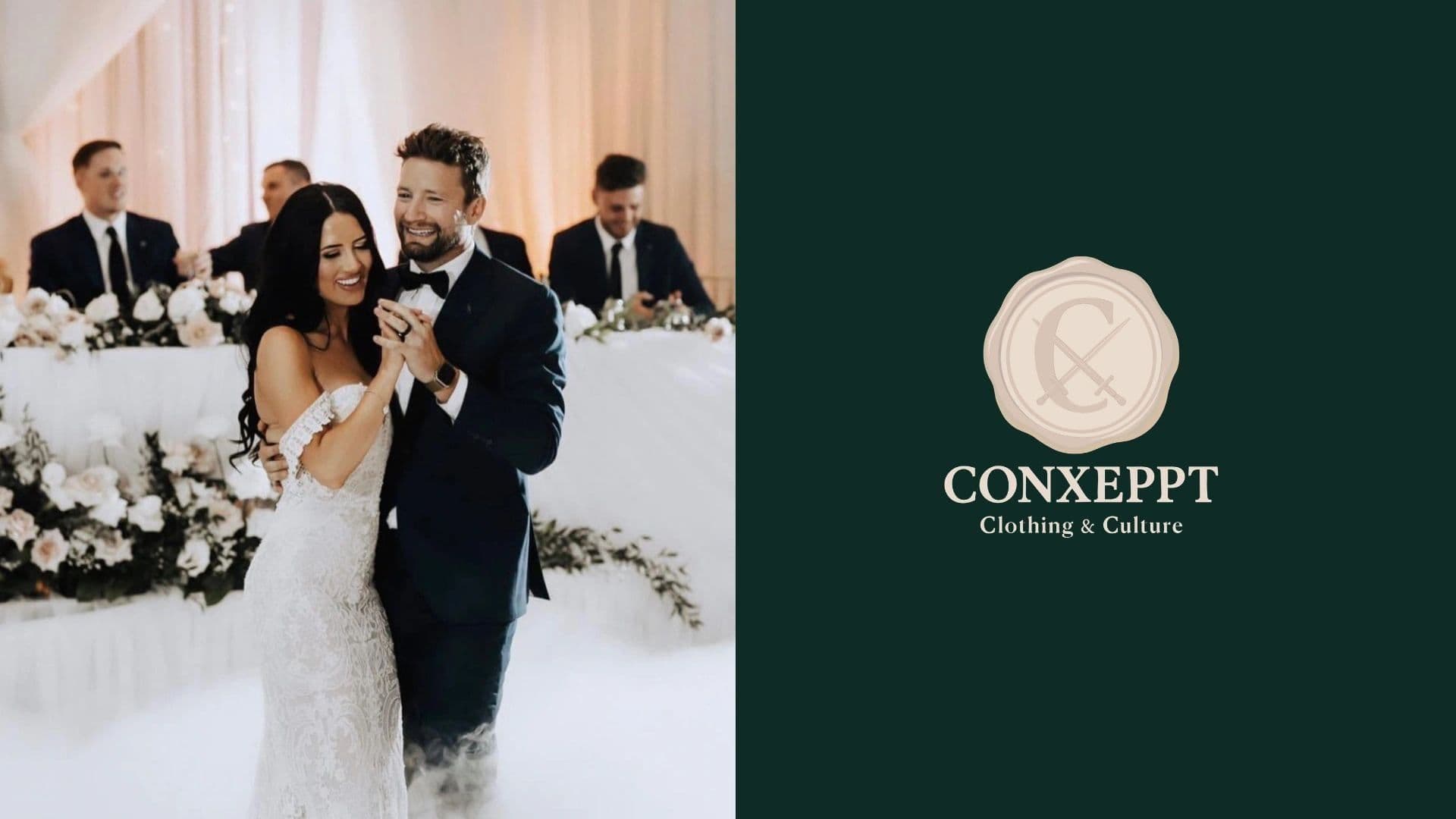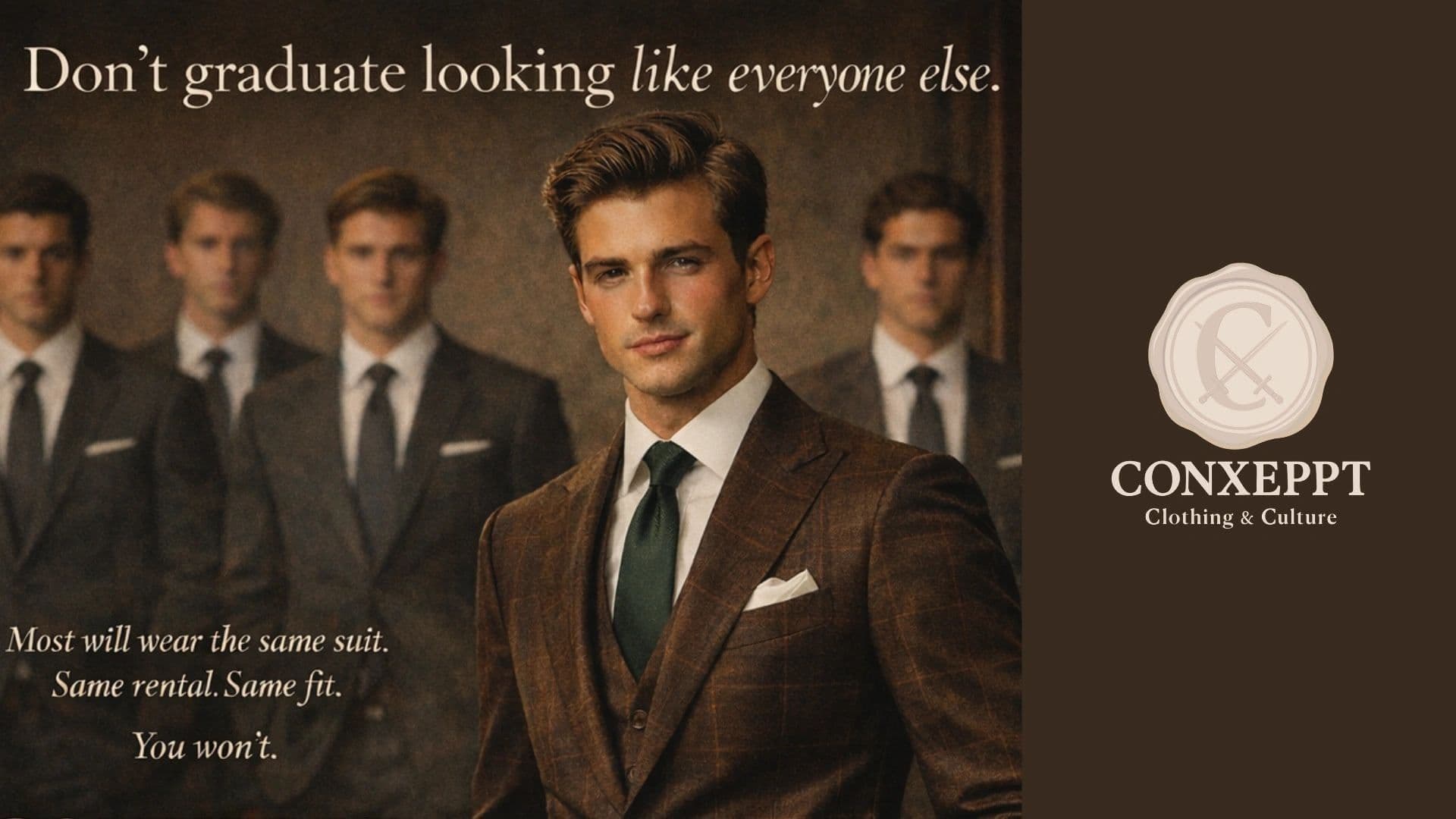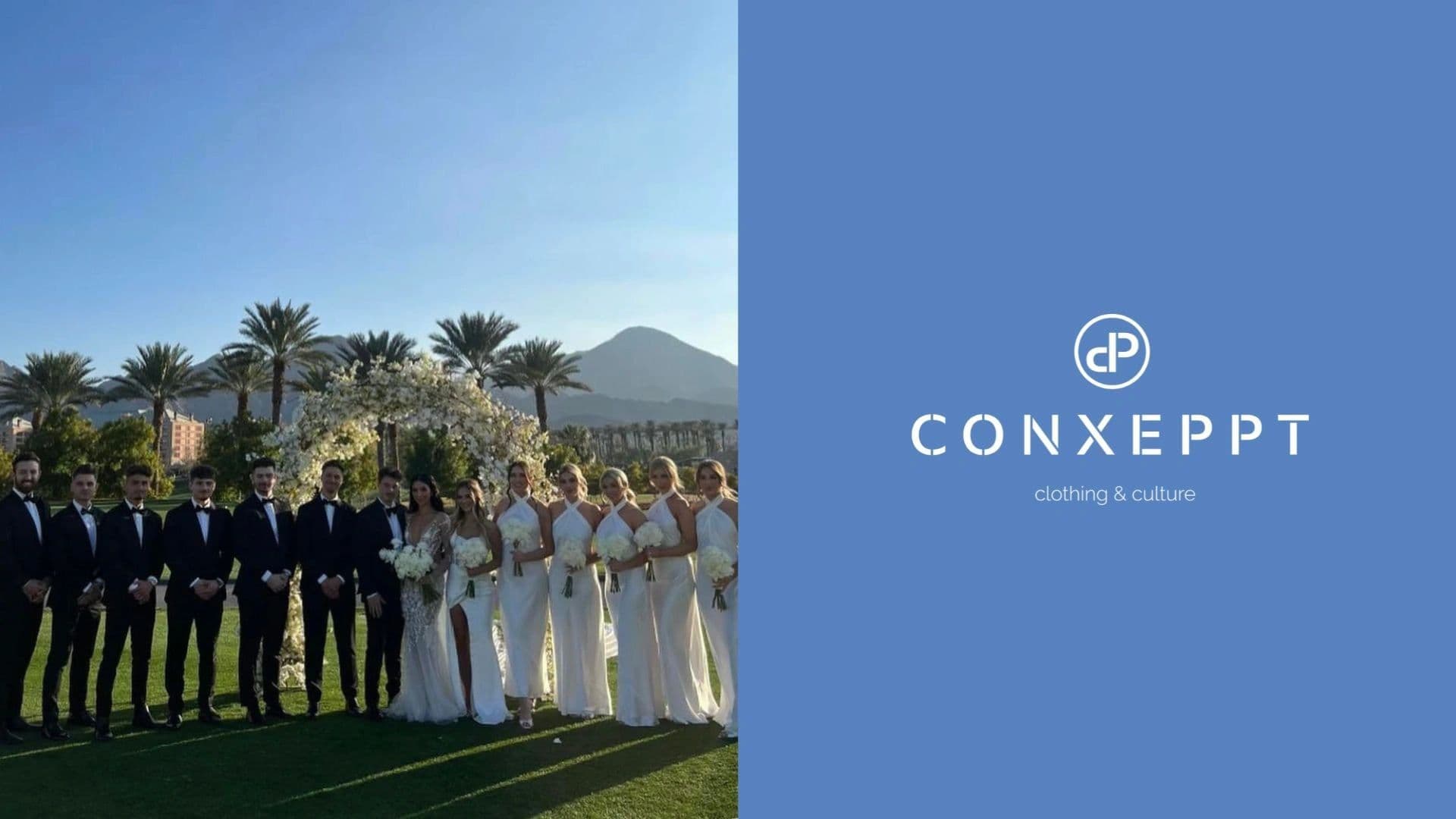

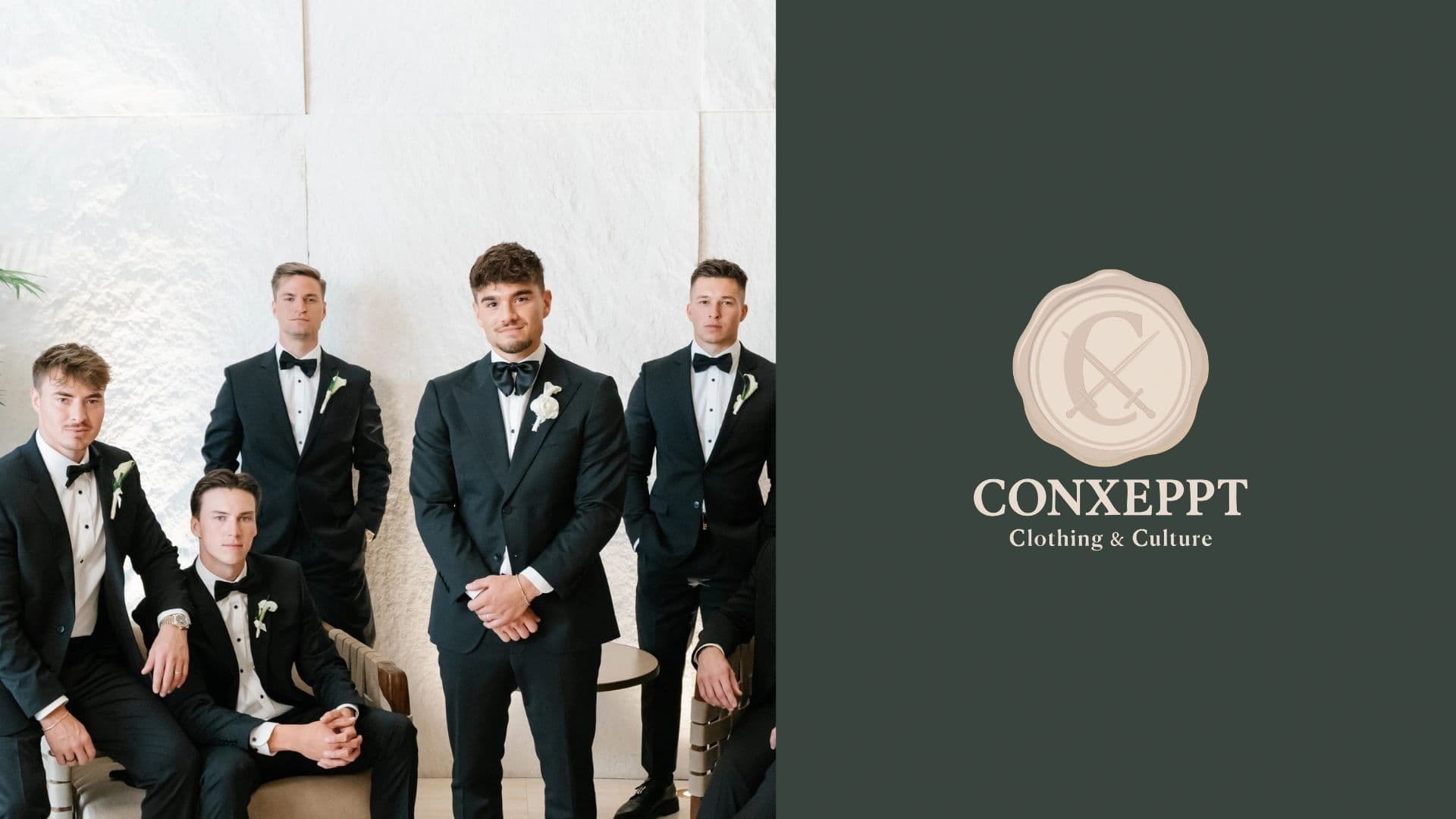
Group suit coordination works best when the styling feels connected without making everyone look identical. A cohesive group usually comes from shared colour direction, consistent formality, and controlled variation rather than exact duplication. Conxeppt Clothing works with clients in Edmonton to coordinate custom group styling that maintains visual consistency while still allowing individual fit, proportions, and personal details to feel natural within the overall presentation.
Why Matching Suits Often Looks Overdone
Exact matching can flatten visual depth across a group because every person carries colour, texture, and proportions differently. Even when the suits are technically identical, body type, height, complexion, and styling details can make the result feel overly rigid instead of coordinated.
Modern group styling usually focuses on cohesion rather than duplication. Controlled variation creates separation between individuals while still allowing the group to feel visually connected in photos, formal settings, and event environments.
Matching every detail can also limit flexibility. Identical accessories, fabrics, and cuts do not always suit every person equally, especially when the group includes different builds, contrast levels, or style preferences.
What Should Stay Consistent Across the Group
Strong group coordination depends on a few anchor elements remaining aligned. Without those shared elements, the styling can begin to feel disconnected instead of intentional.
Color Palette and Fabric Family
The colour palette usually acts as the primary unifying element. Navy, charcoal, earth tones, soft neutrals, or deep greens can all work across a group when the tones stay within the same visual range.
Fabric family matters as much as colour. Matte wool, textured blends, linen, velvet, or high-sheen fabrics all reflect light differently. A group wearing the same colour in completely different fabric finishes can appear visually inconsistent even when the colour technically matches.
Perfect fabric duplication is not always necessary, but the texture and weight should feel related. Soft variation within the same fabric family usually creates more depth than exact replication.
Formality Level and Event Context
Formality should remain aligned across the group even when individual styling details vary. A structured peak lapel tuxedo beside an unstructured casual jacket can create separation that feels accidental rather than intentional.
Event context also affects how much variation feels natural. Formal evening events usually support tighter coordination, while outdoor events, daytime receptions, or creative environments often allow more flexibility in texture, accessories, and layering.
Where Variation Creates a Better Look
Variation works best when it stays controlled and predictable. Small adjustments across several elements usually feel more cohesive than one dramatic difference.
Jacket Styles, Lapels, and Textures
Different jacket styles can create individuality without disconnecting the group. Notch lapels, peak lapels, double-breasted jackets, textured fabrics, or subtle pattern variation can separate key individuals while still staying within the same overall direction.
Texture variation usually works better when the colour palette stays restrained. A matte navy beside a lightly textured navy often feels coordinated because the colour relationship remains stable.
Fit consistency matters more than identical jacket construction. Even coordinated groups can lose cohesion when proportions, sleeve lengths, or jacket suppression vary too aggressively between members.
Shirts, Ties, and Accessories
Accessories usually provide the safest area for variation because they can shift personality without changing the foundation of the outfit.
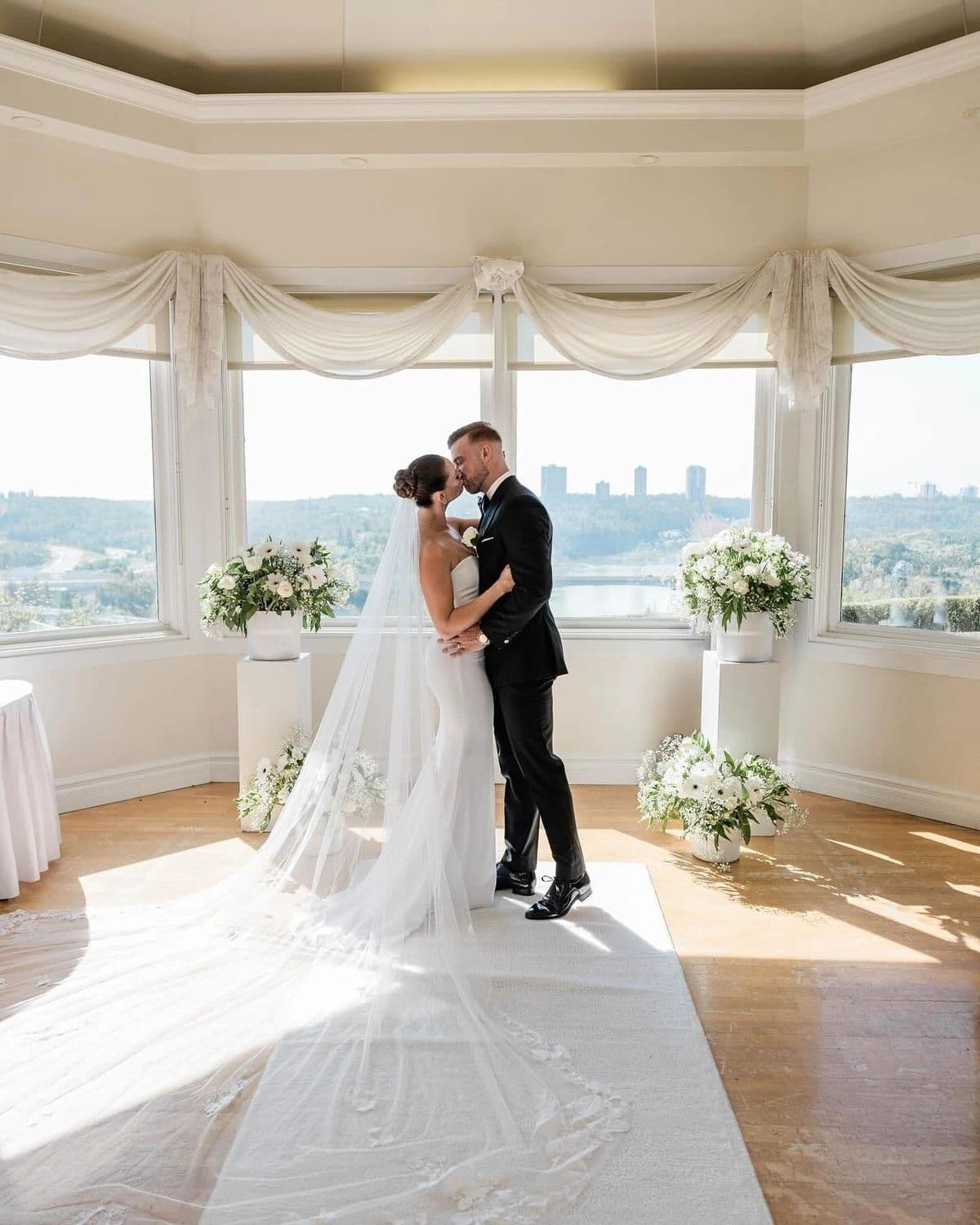
Tie texture, pocket squares, shirt collars, cuff details, and subtle jewellery can introduce distinction while preserving group cohesion. Variation tends to work best when one element changes at a time rather than layering multiple contrasting details together.
Accessory coordination also benefits from restraint. Repeating one accent colour across ties, florals, or pocket squares often creates enough continuity without requiring exact duplication.
How to Differentiate Roles Without Breaking Cohesion
Role distinction usually works best when it feels intentional but not isolated. The lead individual should feel visually elevated while still remaining connected to the rest of the group.
Groom or Lead Role Styling Adjustments
The lead role can be separated through controlled upgrades in fabric, texture, jacket structure, lapel shape, or colour depth instead of completely changing the outfit direction.
A slightly richer fabric, sharper lapel, tonal variation, or more refined accessory selection often creates enough distinction without disconnecting the individual from the group. In custom tailoring, subtle differences usually photograph more cohesively than dramatic contrast changes.
Secondary Roles and Subtle Variations
Secondary roles often benefit from small adjustments rather than identical styling across every person. Variation in tie texture, pocket square folds, boutonniere details, or shirt construction can create individuality while preserving visual structure.
Groups with multiple secondary roles can also separate styling tiers subtly. Close family, wedding party members, or leadership positions may share certain details while broader group members remain more simplified.
Common Coordination Mistakes That Break the Look
Group styling usually becomes visually inconsistent when too many unrelated elements compete at the same time.
Mixing Incompatible Fabrics or Tones
Colour matching alone does not guarantee cohesion. Cool navy beside warm navy, matte wool beside glossy synthetic fabric, or heavy winter texture beside lightweight summer fabric can separate the group visually even when the colours appear close.
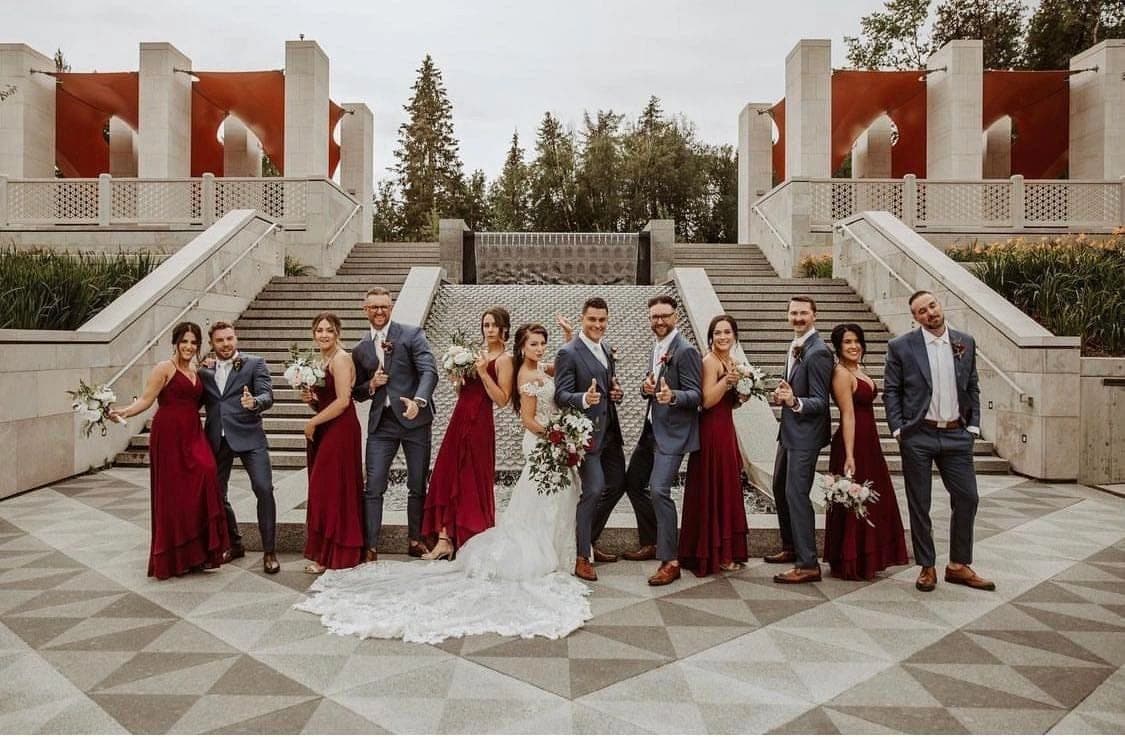
Undertone consistency often matters more than exact colour codes. Warm browns, cool charcoals, muted earth tones, and saturated jewel tones usually coordinate best when the undertone direction stays aligned across the group.
Overusing Identical Accessories
Identical ties, pocket squares, shoes, belts, and boutonnieres across every person can make the styling feel overly repetitive. Repetition works better when it is selective rather than applied to every visible detail.
Groups usually appear more refined when accessories share a direction instead of exact duplication. Consistent colour relationships and material choices often create stronger cohesion than identical accessory combinations.
Coordinating Footwear Without Clashing
Footwear coordination works best when the leather tone, formality level, and finish remain visually connected across the group. Exact shoe duplication is not always required, but strong contrast between formality levels can separate the styling unintentionally.
Black footwear usually aligns best with formal black, charcoal, or tuxedo styling. Brown footwear often works naturally with navy, earth tones, and softer formal environments. Mixing black and brown shoes within the same group can still work when the outfit colour palette supports both consistently.
Texture and finish also affect cohesion. High-gloss patent leather beside matte suede or heavily distressed leather can shift the visual balance of the group even if the colours remain similar.
Getting Group Suit Coordination Right with Conxeppt in Edmonton
Group coordination involves more than selecting matching suits. Fabric texture, fit consistency, colour relationships, event formality, and individual proportions all affect how the final presentation feels once everyone is styled together.
Conxeppt Clothing works with clients in Edmonton to coordinate custom group styling that balances consistency with individual presentation. Suit selection, fabric guidance, accessory coordination, and tailoring adjustments are approached as part of a complete group visual direction rather than isolated outfit decisions.
Because custom clothing allows greater control over fit, texture, colour, and finishing details, groups can maintain cohesion without relying on identical styling across every member.