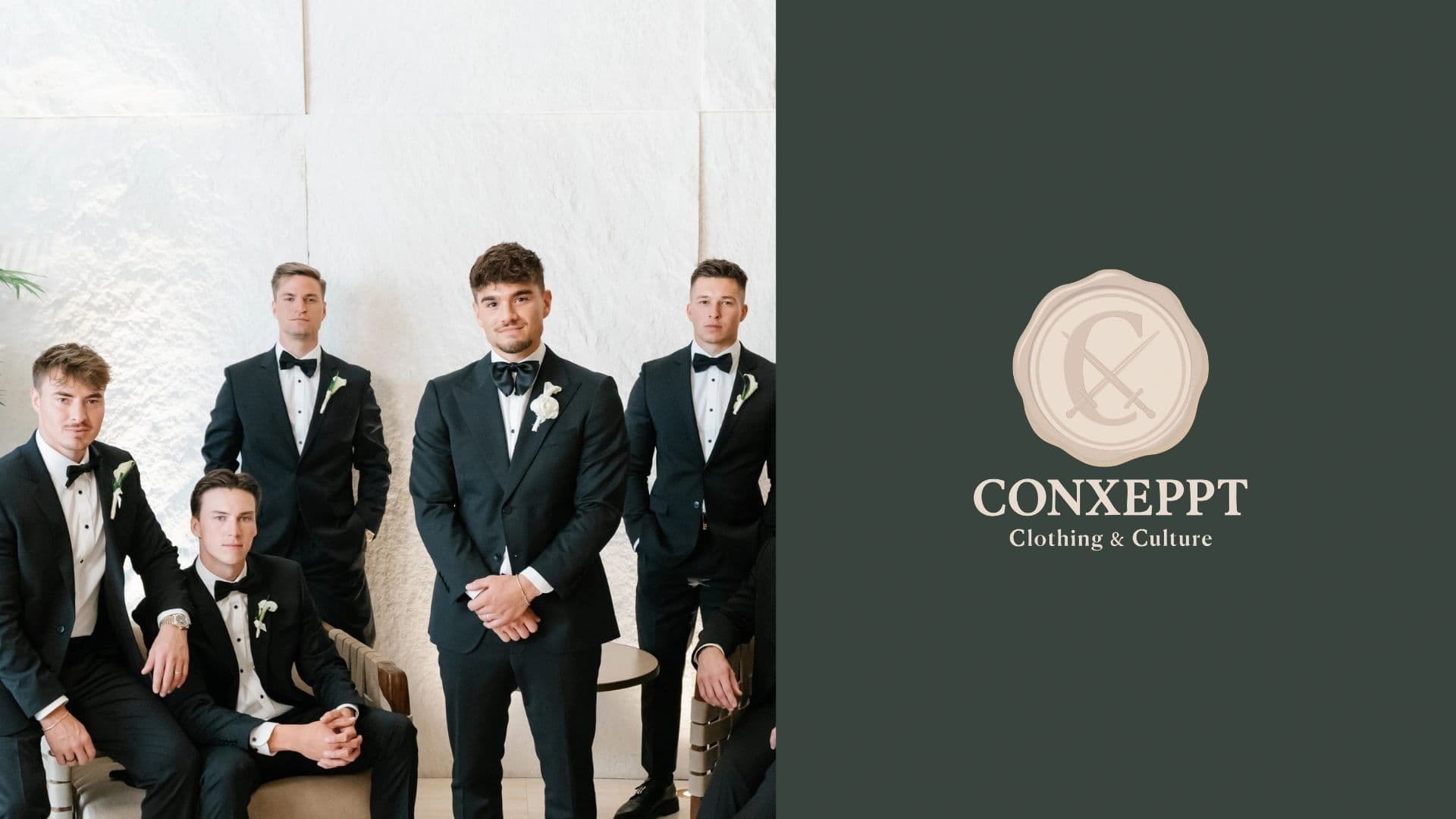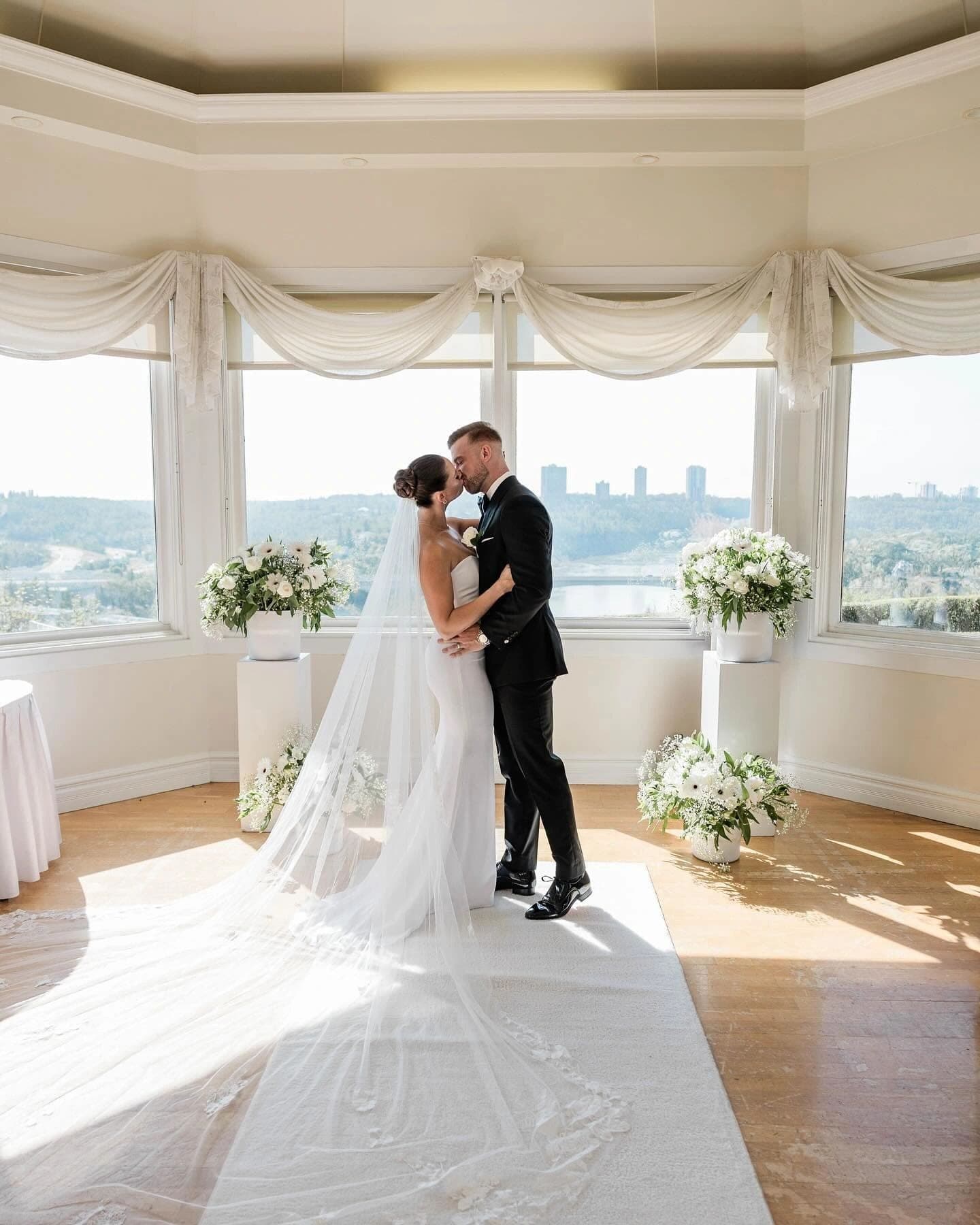

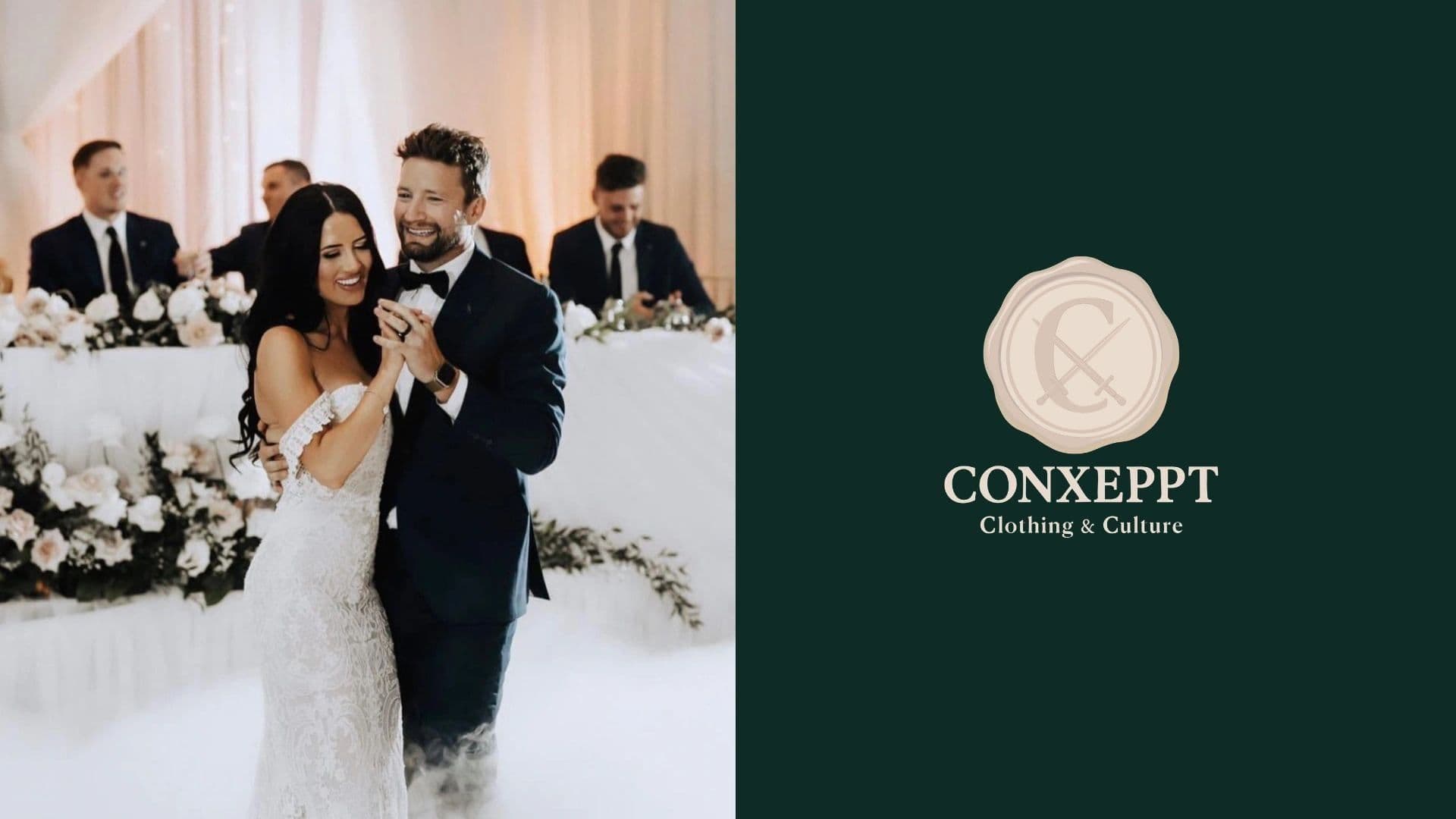
Groom vs groomsmen suit styling focuses on creating a clear visual hierarchy while keeping the wedding party coordinated in person and in photos. The goal is controlled distinction that photographs well, respects the dress code, and keeps the group visually balanced, an approach used by Conxeppt Clothing when guiding wedding styling.
Why the Groom Should Look Distinct but Cohesive
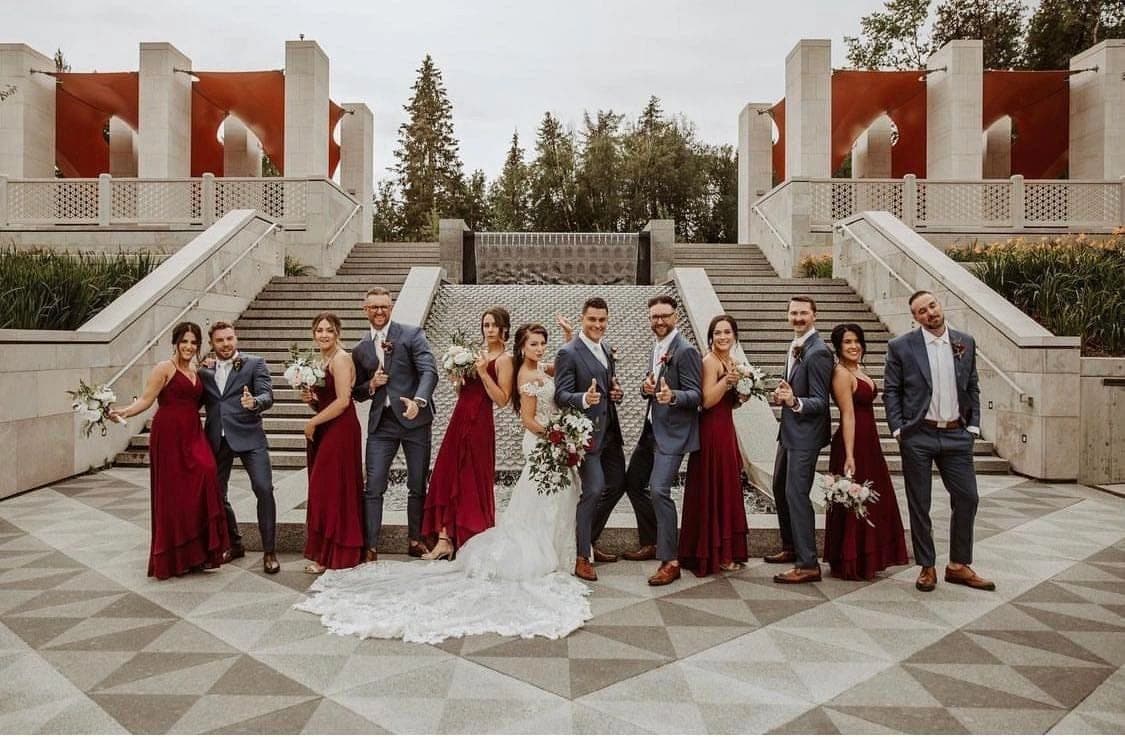
The groom should read as the focal point without breaking the colour story of the group, which is achieved through shared colour family, formality level, and accessory tone. Distinction works best when limited to one or two refined upgrades in depth, texture, or detail, because changing too many elements at once separates the groom rather than elevating him. The most effective visual structure is hierarchy, where the groomsmen form the base and the groom sits one level above through refinement rather than contrast.
Quick Styling Overview, Where Differences Usually Appear
Suit differences between groom and groomsmen are usually controlled through a small number of visual levers. These differences should be noticeable up close and in photos without pulling the group out of balance.
Color Depth and Tone Variation
Colour differences work best when they stay inside the same palette, because this preserves cohesion while giving the groom natural visual weight.
Common approaches include:
- The groom wearing a deeper or richer shade of the groomsmen’s colour, such as darker navy against mid tone blue.
- Using subtle tonal shifts in formal weddings where strong contrast would look out of place.
- Allowing slightly more noticeable variation in outdoor or less traditional settings where lighting and styling are more relaxed.
Large jumps across colour families create stronger contrast and should only be used when the wedding style clearly supports it.
Fabric Texture and Material Choice
Texture influences how suits read more than many expect, especially under lighting and photography.
Controlled distinctions include:
- The groom wearing a fabric with more depth, such as a finer weave or slight surface richness.
- Groomsmen in flatter matte finishes that support the groom visually without competing.
Highly reflective or heavily textured fabrics can become distracting under bright indoor lighting or flash, which can pull focus away from faces.
Lapel Styles and Jacket Details
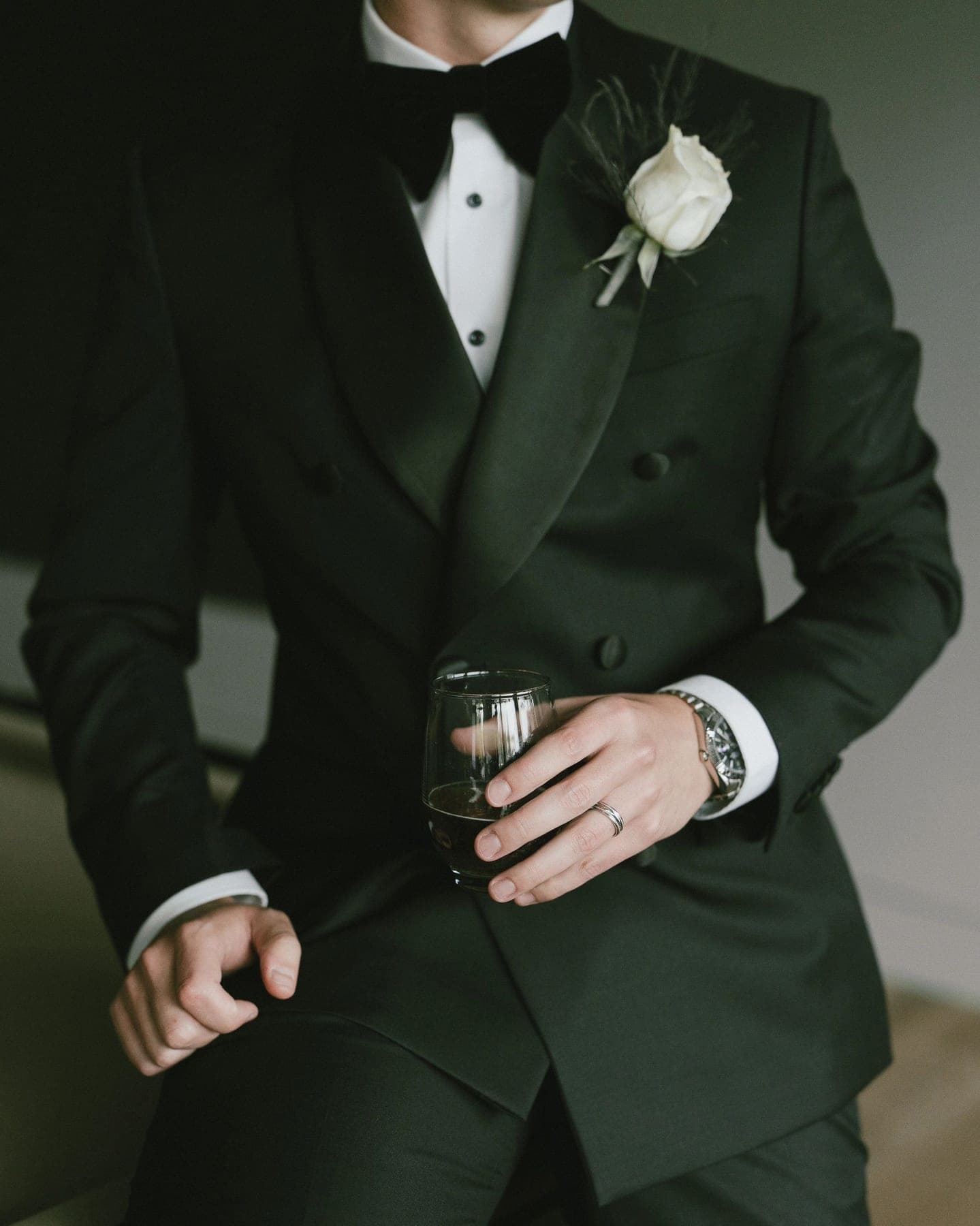
Lapel style is one of the clearest formal distinctions while keeping overall cohesion, because it signals hierarchy without changing the base colour.
Typical styling structure includes:
- Groom in a peak or shawl lapel.
- Groomsmen in notch lapels within the same colour and silhouette.
Other subtle differences can include refined pocket treatments or slightly more structured jacket lines, while major structural changes such as double breasted versus single breasted create a stronger separation that must match the wedding’s formality.
Accessories and Personal Accents
Accessories are the safest place to create distinction because they do not disrupt the base suit structure.
Effective differences include:
- A unique boutonniere style for the groom.
- A distinct pocket square fold or texture.
- Personal cufflinks that add detail without altering colour balance.
Groomsmen should remain consistent with each other, and accessory colours should stay inside the wedding palette to avoid pulling attention away from faces. Couples often review coordinated suit and accessory options through the Conxeppt Clothing formalwear collection to keep differences controlled and visually balanced.
Fit and Tailoring Emphasis
Fit is one of the strongest ways to distinguish the groom without changing the design language, because silhouette reads clearly in person and on camera.
The groom’s suit can feature sharper waist suppression, cleaner shoulder lines, and a precise trouser break, which creates a more defined shape. Groomsmen should still be properly fitted, but the groom’s tailoring can be the most exact, provided it avoids excessive tightness that causes fabric pulling and visible tension lines.
How Wedding Formality Affects Suit Differences
Formality sets the boundaries for acceptable variation, because highly formal events favour subtle hierarchy while relaxed settings allow more visible differences. In black tie or very formal settings, distinctions are typically limited to lapel style, fabric refinement, and accessory detail. In semi formal or outdoor weddings, moderate shifts in colour depth or texture can be appropriate, as long as the group still reads as a single coordinated unit.
How Venue and Lighting Influence Suit Choices
Lighting changes how colour and texture appear both in person and on camera, which directly affects how suit differences are perceived.
Important influences include:
- Bright indoor lighting and direct sun making dark suits appear lighter and shiny fabrics more reflective.
- Low light venues causing dark tones to blend together, which reduces visible distinction.
- Outdoor settings increasing contrast, which can exaggerate strong colour differences.
Subtle tonal variation is more reliable than dramatic contrast when lighting conditions vary throughout the day.
How Photography Impacts Contrast and Detail
Photography emphasizes edges, shine, and contrast more than the human eye, which changes how styling choices appear in images. High contrast combinations can separate the groom too strongly from the group in wide shots, while fine texture differences read well in close ups without overpowering group images. Shiny fabrics, bold patterns, and strong accessory contrast draw attention away from expressions, so styling should support the people in the photo rather than compete with them.
Common Mistakes When Styling Groom vs Groomsmen
Certain choices regularly create imbalance or distraction in group photos because they disrupt cohesion or exaggerate contrast.
Frequent issues include:
- Using a completely different colour family for the groom, which breaks visual cohesion.
- Layering too many differences at once, such as colour, texture, lapel style, and accessories, which disconnects the groom from the group.
- Ignoring lighting and photography, leading to unexpected shine, blending, or loss of detail.
- Allowing inconsistent fit among groomsmen while tailoring the groom sharply, which exaggerates differences and makes the group look uneven.
Wedding parties who want to align suit choices with venue, lighting, and photography style can coordinate directly through the Conxeppt Clothing styling team to keep the final look cohesive and intentional.
If you’re searching for Edmonton wedding suits, finding the right fit and craftsmanship can make all the difference on your wedding day. At Conxeppt, we specialize in custom wedding suits in Edmonton, helping grooms create a look that reflects their personality and the significance of the occasion. Our process focuses on bespoke wedding suits in Edmonton, combining premium fabrics, precise tailoring, and thoughtful design. Whether you’re looking for a refined three-piece suit or a modern tuxedo, our made-to-measure wedding suits in Edmonton ensure a perfect fit. For grooms who want something beyond the ordinary, our custom suits in Edmonton for weddings are designed to elevate both confidence and presence on one of life’s most important days.