
Slow Fashion: A Path Towards a Sustainable and Ethical Fashion Industry
The fashion industry has long been criticized for its negative impact on the environment and labour practices. The rise of fast fashion has exacerbated these issues, leading to overconsumption, resource depletion, waste generation, and labour exploitation. However, amidst these challenges, a growing movement towards slow fashion, focusing on custom-made clothing and attention to quality, offers hope. By embracing ethically sourced fabrics, handmade garments, and a commitment to longevity, slow fashion can create a healthier community and transform the industry for the better.
The Dark Side of Fast Fashion: Fast fashion has revolutionized how we consume clothing, offering trendy and affordable pieces at lightning speed. However, this model comes at a high cost. The constant demand for new styles has led to overproduction, resulting in resource-intensive processes that deplete water, energy, and raw materials. Moreover, the throwaway culture associated with fast fashion generates enormous amounts of waste, with textiles often ending up in landfills, polluting the environment for generations. The industry's obsession with speed and profit has also fostered labour exploitation, with workers subjected to unfair wages, unsafe working conditions, and limited rights.
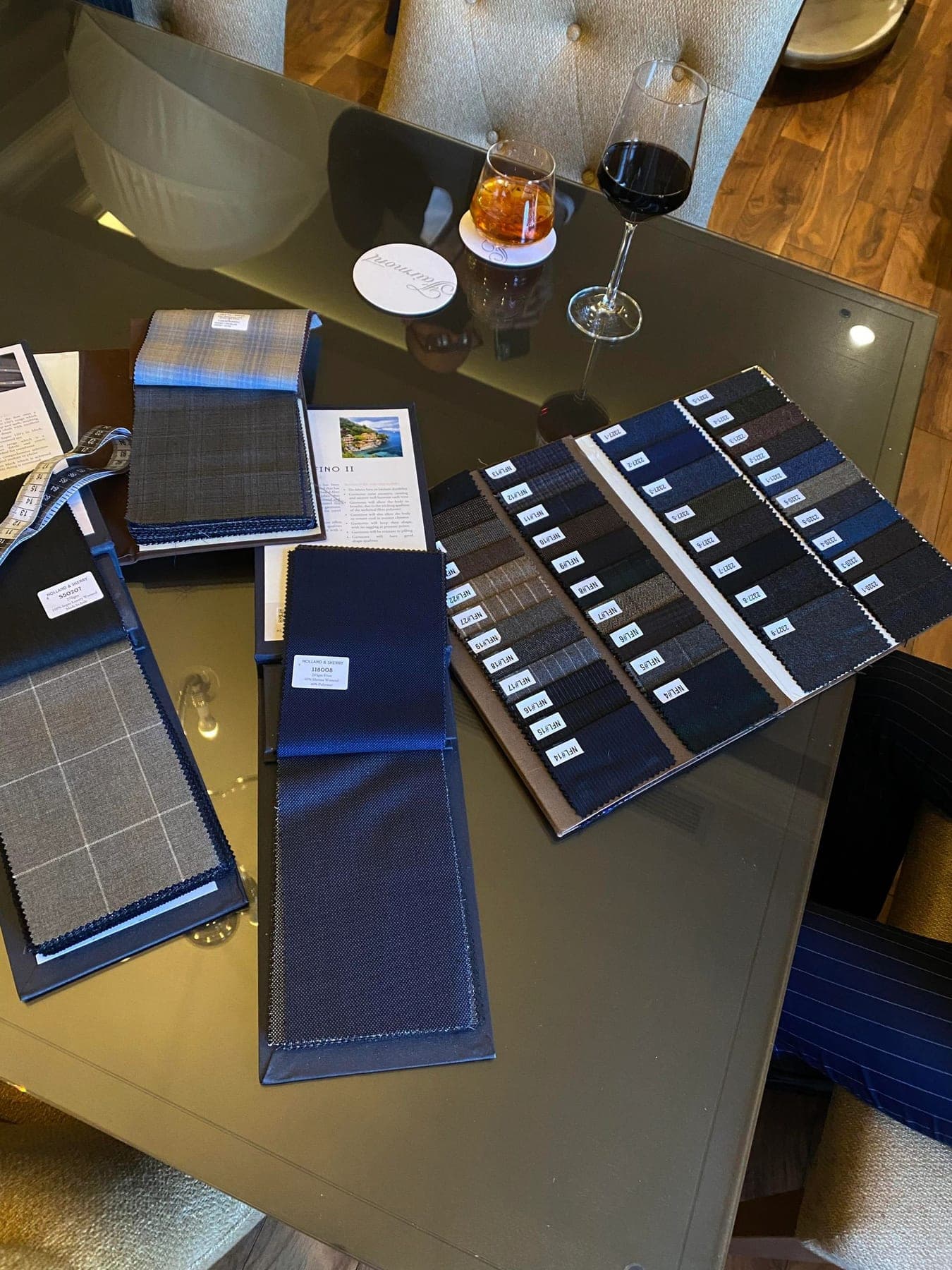
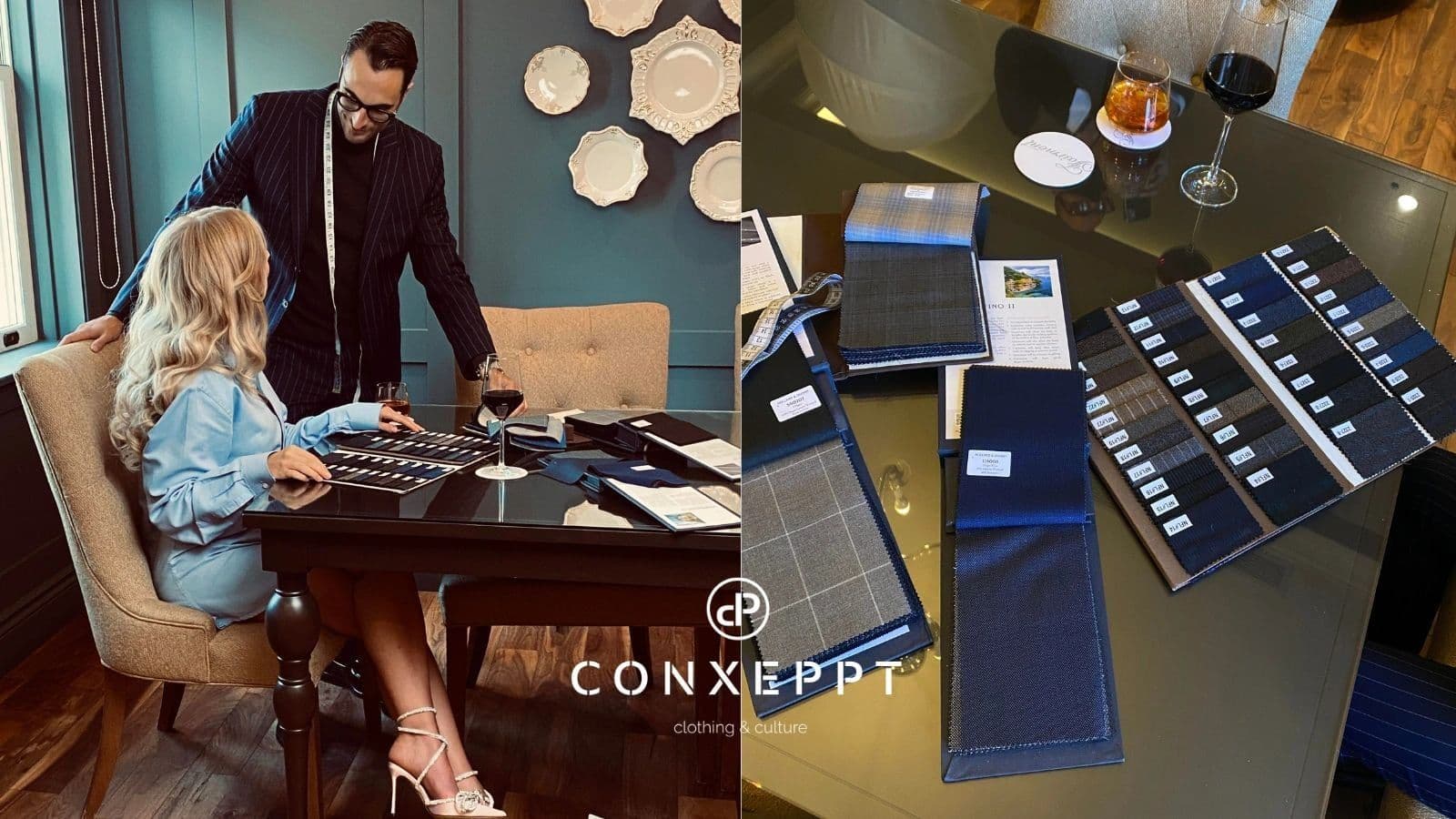
Conxeppt Custom-Made Clothing: A Sustainable Alternative: Unlike the fast fashion model, slow fashion advocates for handmade clothing tailored to the individual. This approach offers numerous benefits for both consumers and the environment. Customers can actively participate in the design process by opting for made-to-order garments and selecting fabrics, details, fit, and styles that suit their preferences. This personalization fosters a sense of individuality, reduces the likelihood of impulse purchases, and promotes conscious consumption.
Ethically Sourced Fabrics and Handmade Craftsmanship by Conxeppt Custom Clothing & Culture: One of the cornerstones of Conxeppt’s slow fashion is ethically sourced fabrics. These fabrics focus on social and environmental responsibility, ensuring that workers are treated fairly and that the production processes minimize harm to the planet. By prioritizing sustainable materials like organic cotton, wool, hemp, or recycled fibres, slow fashion helps reduce the reliance on resource-intensive crops and synthetic materials that contribute to pollution, waste, and in some cases, human health concerns.
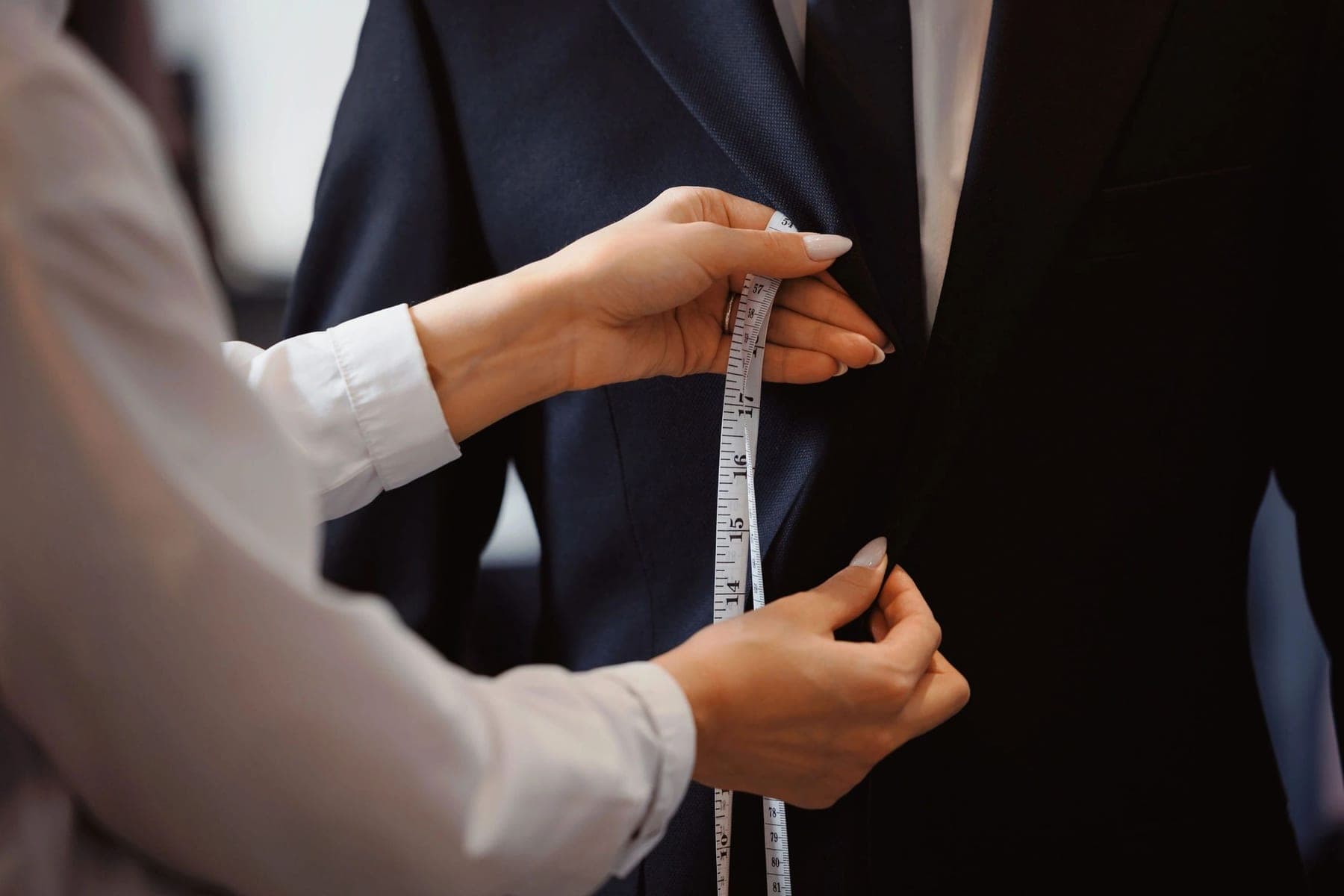
In addition to ethical sourcing, slow fashion emphasizes the artful nature of handmade craftsmanship. Garments are carefully constructed by skilled artisans, allowing for greater attention to detail and quality. Handmade clothing often involves traditional techniques passed down through generations, preserving cultural heritage and ensuring that garments are made to last. By investing in well-crafted pieces, consumers can build a more sustainable wardrobe, reducing the need for frequent replacements and ultimately minimizing their fashion-related carbon footprint.
Creating a Healthier Community: The shift towards slow fashion can create a health-focused community locally and globally. Slow fashion fosters economic empowerment and job creation by supporting local artisans and small-scale producers, typically family-owned fabric mills. Fair wages and safe working conditions are prioritized, promoting the well-being of garment workers. Furthermore, slow fashion encourages a deeper connection to our clothing, reminding us of the labour, skill, and resources that go into each piece. This shift in mindset promotes a more mindful and appreciative attitude towards fashion, cultivating a culture of sustainability and respect.
The fast-fashion industry's detrimental environmental and community effects cannot be ignored. However, the rise of slow fashion, with its focus on custom-made clothing, ethically sourced fabrics, and handmade craftsmanship, offers a promising solution. By embracing these principles, we can slow fashion cycles, reduce waste, and create a more sustainable and ethical industry. As consumers, we can make conscious choices, supporting brands like Conxeppt that prioritize quality and longevity. Together, we can drive the transformation toward a healthier and more responsible fashion community.
CONXEPPT Custom Clothing & Culture.
Text or Call 780.994.9402 to schedule a private tailoring experience in Alberta.
Edmonton | Calgary | Fort McMurray | Red Deer