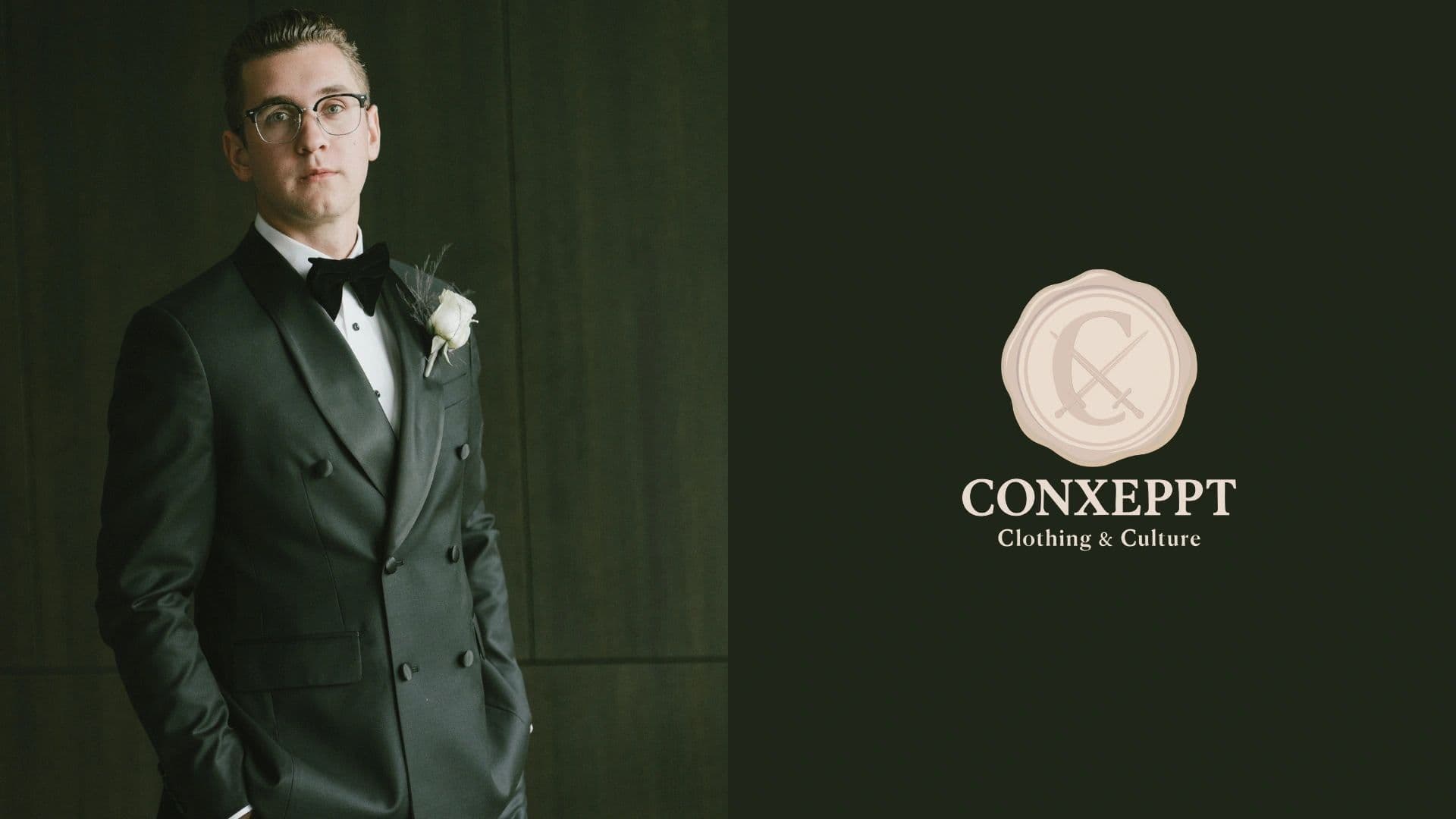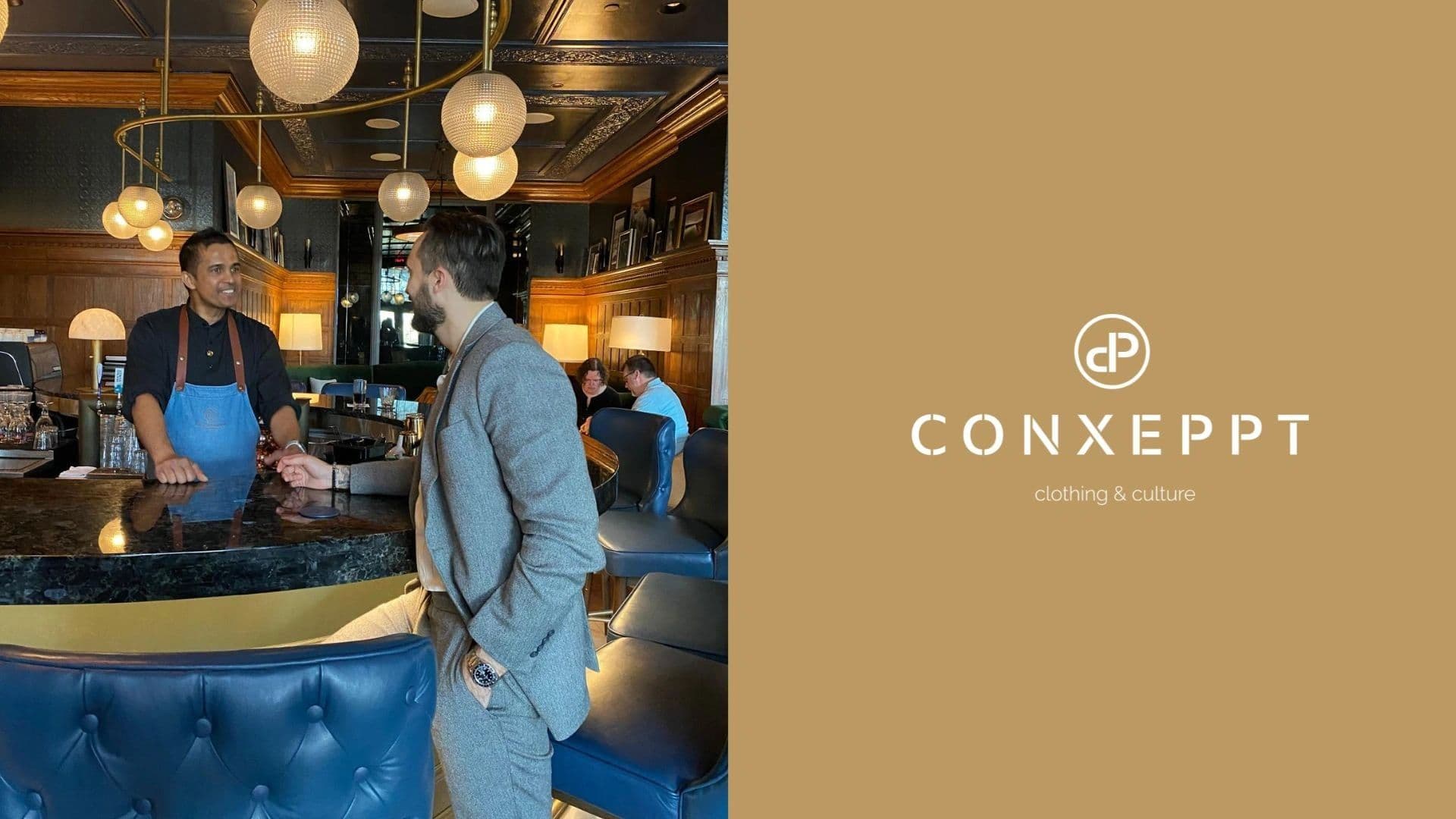

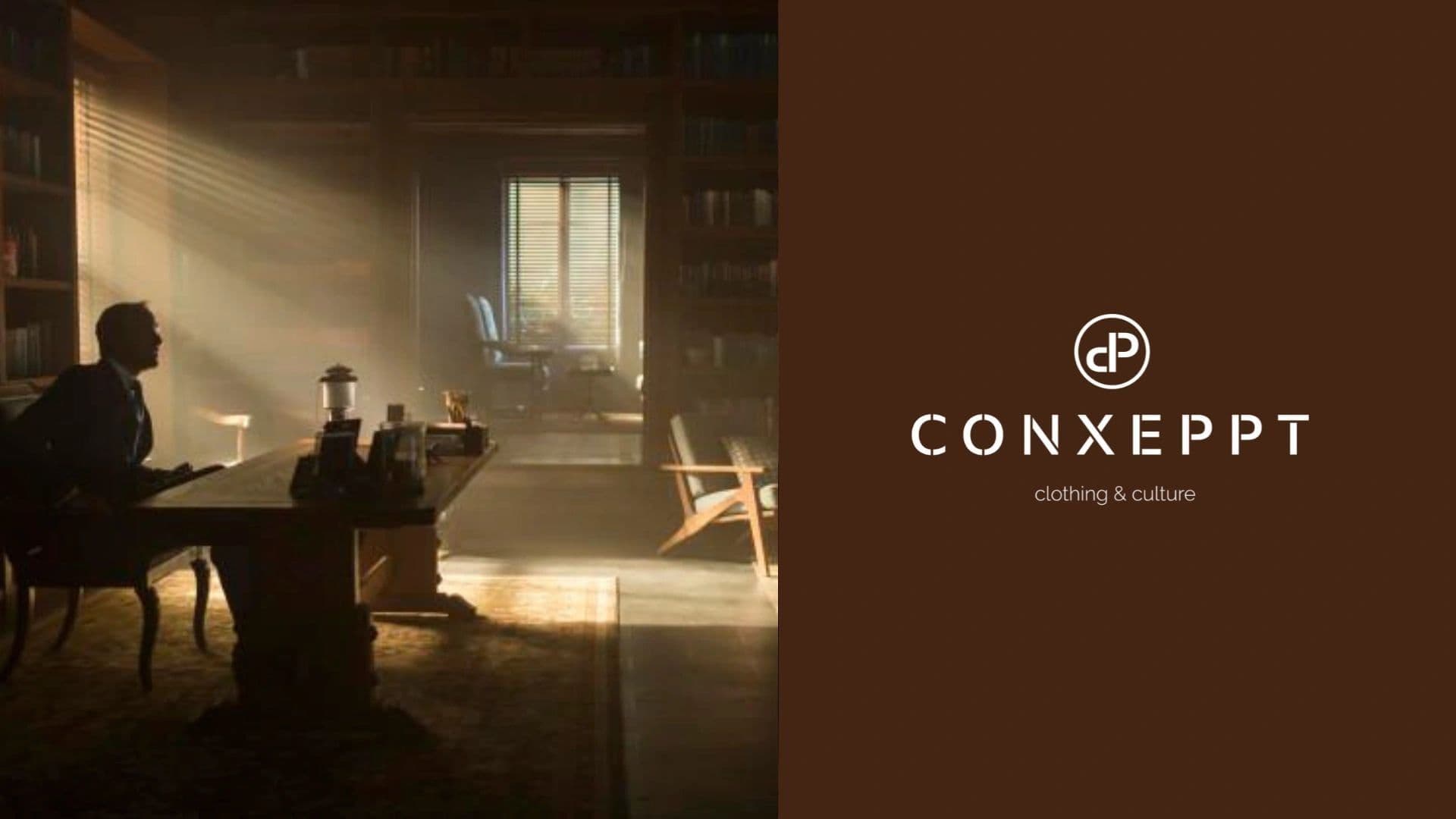
In a world where perception often precedes reality, the journey to the C-suite is not solely a matter of competence; it is an intricate balance of intelligence, style, and influence. The most successful leaders understand that authority is as much about the aura you project as the decisions you make. The executive persona is an art form—one that requires mastery of the subtle languages of attire, taste, and etiquette complemented by a strategic mind that absorbs lessons from history, literature, and psychology.
This is the blueprint for those aspiring to lead —a blend of intellect and sophistication that transforms mere managers into leaders of consequence.
The Strategic Mind: Knowledge as Leverage
To lead is to think strategically, and no one understood this better than Ray Dalio, whose Principles: Life and Work distills decades of management wisdom into actionable frameworks. Dalio’s embrace of radical transparency and meritocratic decision-making is a masterclass in effective leadership. Pair this with Robert Greene’s The Laws of Human Nature, which explores the deep-rooted impulses that drive human behavior. Understanding these impulses allows executives to navigate organizational dynamics with a nuanced touch—leveraging trust, loyalty, and influence to build a coalition of support.
The synthesis of these philosophies is simple yet profound: Leadership is not about controlling people but mastering the psychology of influence. The most powerful executives lead not by force but by aligning the motivations of others with the organization's vision.
Emotional Intelligence: The Underestimated Power
Emotional intelligence (EQ) is the quiet cornerstone of executive success. The ability to understand and manage your own emotions, as well as influence the emotions of others, is what differentiates authoritative leaders from autocratic ones. High EQ enables leaders to handle conflicts gracefully, build deep professional relationships, and inspire loyalty without demanding it.
A simple yet effective practice is active listening—making others feel heard, which, in turn, makes them more receptive to your ideas. As Daniel Goleman, a pioneer in EQ, suggests: “If your emotional abilities aren’t in hand, if you don’t have self-awareness, if you are not able to manage your distressing emotions, then no matter how smart you are, you are not going to get very far.”
The Uniform of Power: Classic Style as Strategy
Your suit is a signal—a message to the world about who you are before you speak. The most influential executives understand that a classic suit is less about fabric and more about fit—how well you wear it and, by extension, how well you wear your authority. Peak lapels, hand-stitched detailing, and real horn buttons are not mere aesthetic choices but strategic decisions that convey precision and control.
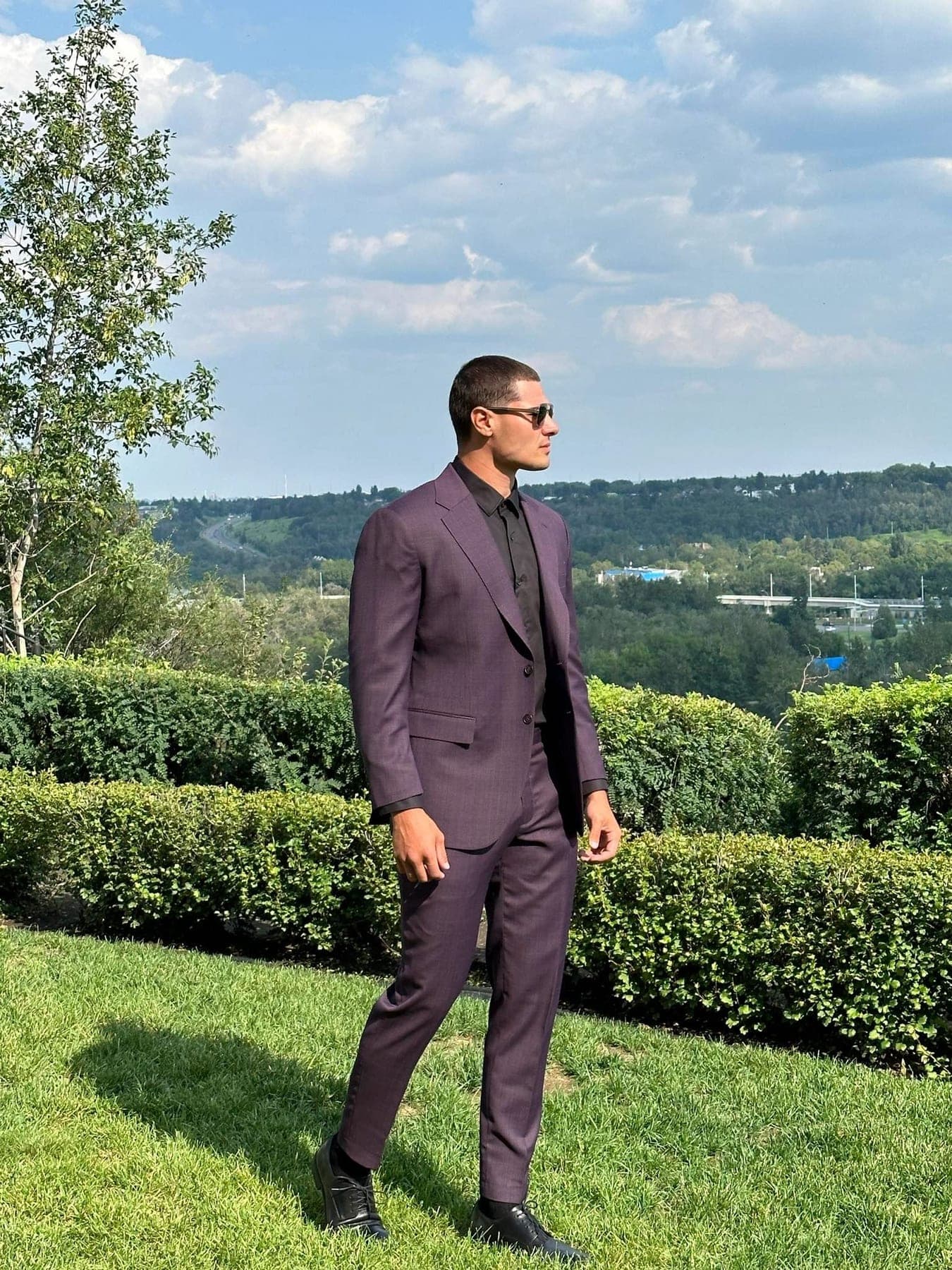
Opt for a navy or charcoal suit with subtle pinstripes to elongate the silhouette, projecting authority without aggression. Pair it with a crisp white shirt and a tie in deep burgundy or navy—shades that imply confidence and decisiveness. Every detail, from the cut of your jacket to the shine on your oxfords, should be a deliberate choice that reflects your command over the narrative. At Conxeppt Clothing & Culture, our philosophy is that luxury is not about being noticed; it is about being remembered.
The Code of Refinement: Wine and Etiquette as Instruments of Influence
The ability to navigate a wine list with confidence signals more than good taste—it is a litmus test for composure under pressure. Executives who understand this never order the most expensive bottle but choose with intention. A 2015 Château Margaux, with its structured tannins and dark fruit notes, is a statement of sophistication without ostentation. For a more nuanced palate, a Barolo DOCG, known for its depth and complexity, suggests a willingness to explore beyond the obvious—a trait equally valuable in business negotiations.
Yet, wine is merely the prelude. True influence is won through precision in communication and elegance in conduct. When dining, observe the hierarchy of introductions—always rise when being introduced, extend a firm handshake, and address others by name. During conversations, replace filler words with deliberate pauses; speak less but say more. As Sun Tzu cautioned, “Strategy without tactics is the slowest route to victory. Tactics without strategy is the noise before defeat.” Your speech should reflect this balance: measured, intentional, and never excessive.
The Signature Power Move: Mastering Silence
In a world obsessed with saying more, silence can be your greatest ally. Strategic pauses during negotiations or meetings force others to fill the silence, often revealing more than intended. A well-timed pause can turn a question into a command, shifting the power dynamic in your favor without uttering an extra word.
This technique, often used by seasoned negotiators, is not about intimidation but about creating space for others to reveal their intentions—giving you the upper hand in decision-making.

The Philosophy of Leadership: Building a Legacy, Not Just a Career
Leadership is not about avoiding mistakes but mastering them. The transition from aspiring executive to CEO is not linear; it requires the humility to learn and the audacity to lead. It is the delicate balance between Bruce Lee's assertion that “the most dangerous person is one who listens, thinks, and observes” and Jeff Bezos’s reminder that “your brand is what other people say about you when you’re not in the room.”
The ultimate measure of an executive is not the deals they close but the legacy they build—the culture, values, and principles that outlast their tenure. To quote Marcus Aurelius, “What we do now echoes in eternity.” The question is not whether you will leave a legacy but what kind it will be.
This synthesis of strategic intellect, refined style, and impeccable etiquette is not merely the path to the corner office; it is the architecture of a legacy. By investing in these elements, you are not just preparing to occupy a position of power—you are becoming the embodiment of it.
Stay tailored. Stay strategic. Stay timeless.
Dave Pavelich, Chairman— Conxeppt Ventures