
The fashion world is a tapestry woven with history, function, and style threads. Jackets have played a pivotal role within this tapestry, evolving to suit diverse purposes and occasions. From the rugged practicality of sports jackets to the refined elegance of smoking jackets, each style has a unique heritage and distinctive features. In this exploration, we will journey through the annals of fashion history to uncover the stories behind several iconic jacket styles, shedding light on their origins, characteristics, and roles in contemporary wardrobes.
Sport Jacket:
- History: Sport jackets originated in the 19th century as casual alternatives to formal suit coats. They were initially designed for outdoor activities like hunting and shooting. Typically made out of tweed or flannel.
- Characteristics: Sport jackets are typically made of heavier fabrics, have a more relaxed fit, and often feature patterns like checks, herringbone, or tweed. They're designed for casual wear and can be worn with various trousers.
Blazer:
- History: The Navy blazer with gold buttons has nautical origins, first worn by members of the British Royal Navy in the early 19th century. It was designed as a uniform jacket.
- Characteristics: Blazers are more structured and formal than sports jackets, often made of solid-coloured wool or wool-blend fabrics. They are known for their distinct metal buttons and are commonly associated with semi-formal or smart-casual dress codes.
Smoking Jacket:
- History: Smoking jackets date back to the 19th century and were initially designed for men to wear while smoking cigars or pipes to protect their clothing from the smell of smoke.
- Characteristics: Smoking jackets are luxurious, often velvet or silk, and feature quilted or padded designs. They are typically worn as loungewear or for special occasions. -This blog's image features a Conxeppt custom velvet double-breasted smoking jacket.
Teba Jacket:

- History: The Teba jacket, or the Spanish or chore jacket, originated in Spain in the early 20th century. It was designed as a practical work jacket for labourers.
- Characteristics: Teba jackets are unstructured, lightweight, and typically made from cotton or linen. They have a simple design with minimal embellishments and are comfortable for casual wear.
Safari Jacket:
- History: Safari jackets gained popularity in the early 20th century as functional attire for African hunters and explorers. They were designed for protection from the elements.
- Characteristics: Safari jackets are often made from sturdy cotton or linen materials and feature multiple pockets for carrying essentials. They have a belted waist and a loose fit, making them suitable for outdoor activities.
Suit:
- History: The modern suit as we know it today evolved in the early 19th century in England. It became the standard for formal and business attire.
- Characteristics: Suits consist of matching jackets and trousers made from the same fabric. They are typically worn with a dress shirt and tie and come in various styles, including single-breasted and double-breasted.
Hacking Jacket:
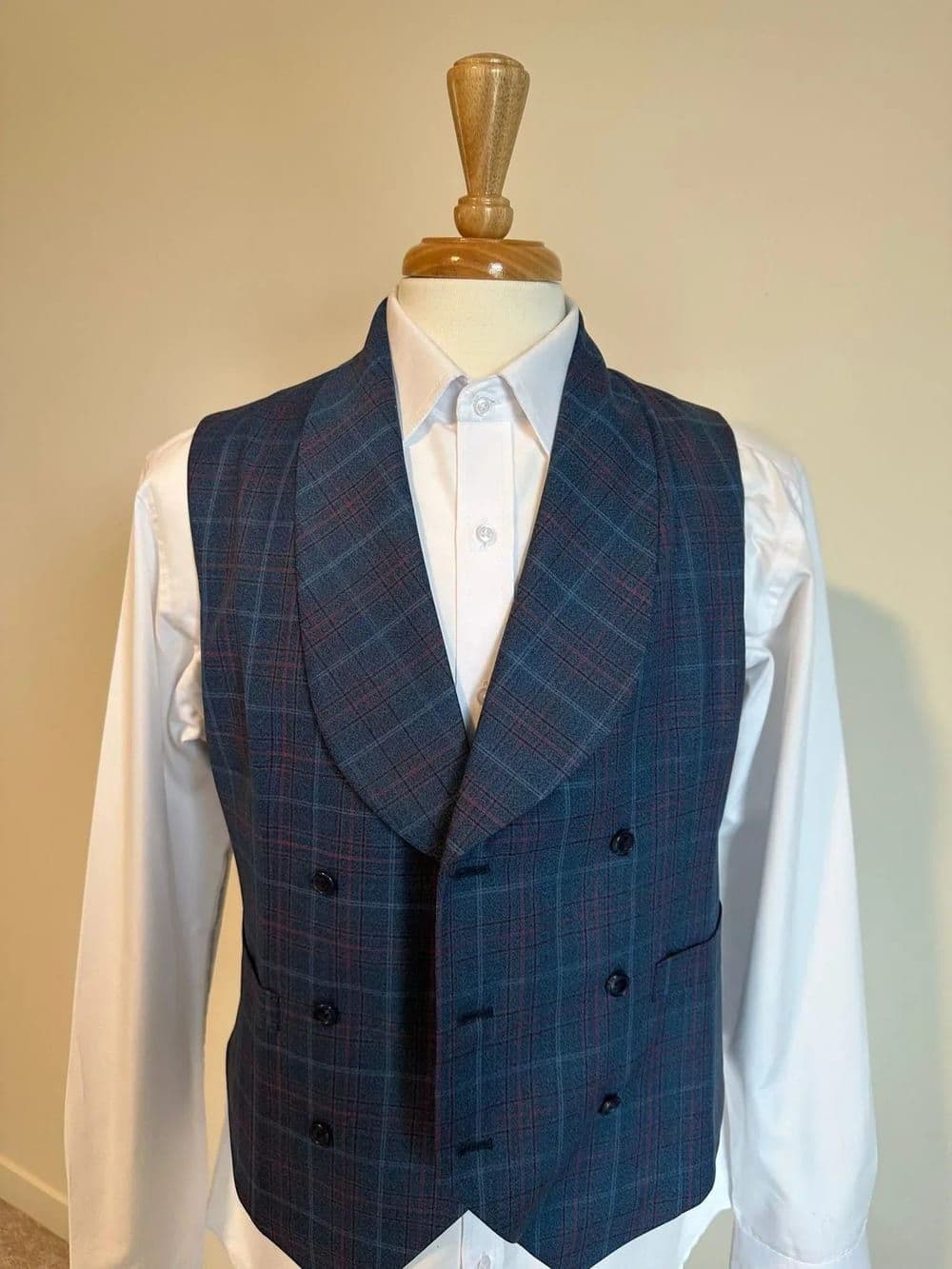
- History: Hacking jackets, sometimes called riding jackets, originated in the 19th century as equestrian attire. They were designed for horseback riding.
- Characteristics: Hacking jackets are typically tailored with a fitted waist and a flared skirt to allow easy riding movement. They often feature a vented back and a three-button front.
Norfolk Jacket:
- History: The Norfolk jacket originated in the late 19th century in England and was designed for shooting and outdoor activities.
- Characteristics: Norfolk jackets are known for their boxy, loose fit and distinctive box pleats or gathers on the front and back. They often have a belt at the waist and are made from durable materials like tweed.
As we conclude our journey through the rich history of various jacket styles, it becomes evident that these garments are more than just articles of clothing; they are embodiments of culture, function, and personal expression. From the utilitarian origins of sports jackets to the opulent luxury of smoking jackets, each style tells a unique tale of evolution and adaptation. Today, this diversity allows individuals to choose jackets that protect them from the elements and make a statement about their style, heritage, and personality. So whether it's the classic elegance of a blazer, the rugged charm of a safari jacket, or the timeless appeal of a well-fitted suit, the world of jackets continues to be a canvas for self-expression, where history and fashion converge in a harmonious blend of form and function.