
A professional suit fitting is the most important step in achieving a garment that feels natural, moves comfortably, and presents a refined appearance. At Conxeppt Clothing, the fitting process is structured, detail focused, and conducted in person to ensure every element of the suit aligns with your body and personal style. Understanding what happens during this session explains why custom and made to measure garments deliver superior results.
For first time clients, no preparation is required before your appointment. You do not need to know fabrics, measurements, or suit terminology in advance. The fitter guides the entire process, explains each step clearly, and helps translate your preferences into practical tailoring decisions so the experience feels approachable rather than overwhelming.
Why an In Person Suit Fitting Makes a Difference
An in person fitting allows tailors to work with real proportions rather than standard size charts. At Conxeppt Clothing, this session establishes the foundation for accuracy, comfort, and long term wear.
At Conxeppt Clothing, suit fittings support both made to measure and custom tailoring approaches. Unlike off the rack suits that rely on standard sizing with minor alterations, this process starts with a base pattern that is adjusted to your exact measurements, posture, and proportions. The fitting session allows for precise pattern adjustments that improve balance, comfort, and overall structure, resulting in a garment that fits your body rather than forcing your body to adapt to the suit.
Clients benefit from the custom suit experience at Conxeppt because the fitting captures details that cannot be replicated through online sizing or off the rack adjustments, including:
• posture and shoulder balance
• natural stance and movement patterns
• personal comfort preferences
• stylistic goals tied to lifestyle and usage
These factors directly influence how the suit fits and performs once worn.
The Initial Consultation and Style Discussion
Every fitting begins with a guided consultation led by an experienced fitter. This conversation focuses on how the suit will be worn and what the client expects from the final garment. Professional use, weddings, formal events, and daily business wear are all considered.
During this discussion, the fitter gathers insight into:
• desired fit profile, structured or relaxed
• comfort tolerance through the chest and waist
• jacket length and trouser styling preferences
• overall aesthetic, classic, modern, or expressive
This step ensures that both function and personal identity are aligned before measurements begin.
Fabric Selection and Design Decisions
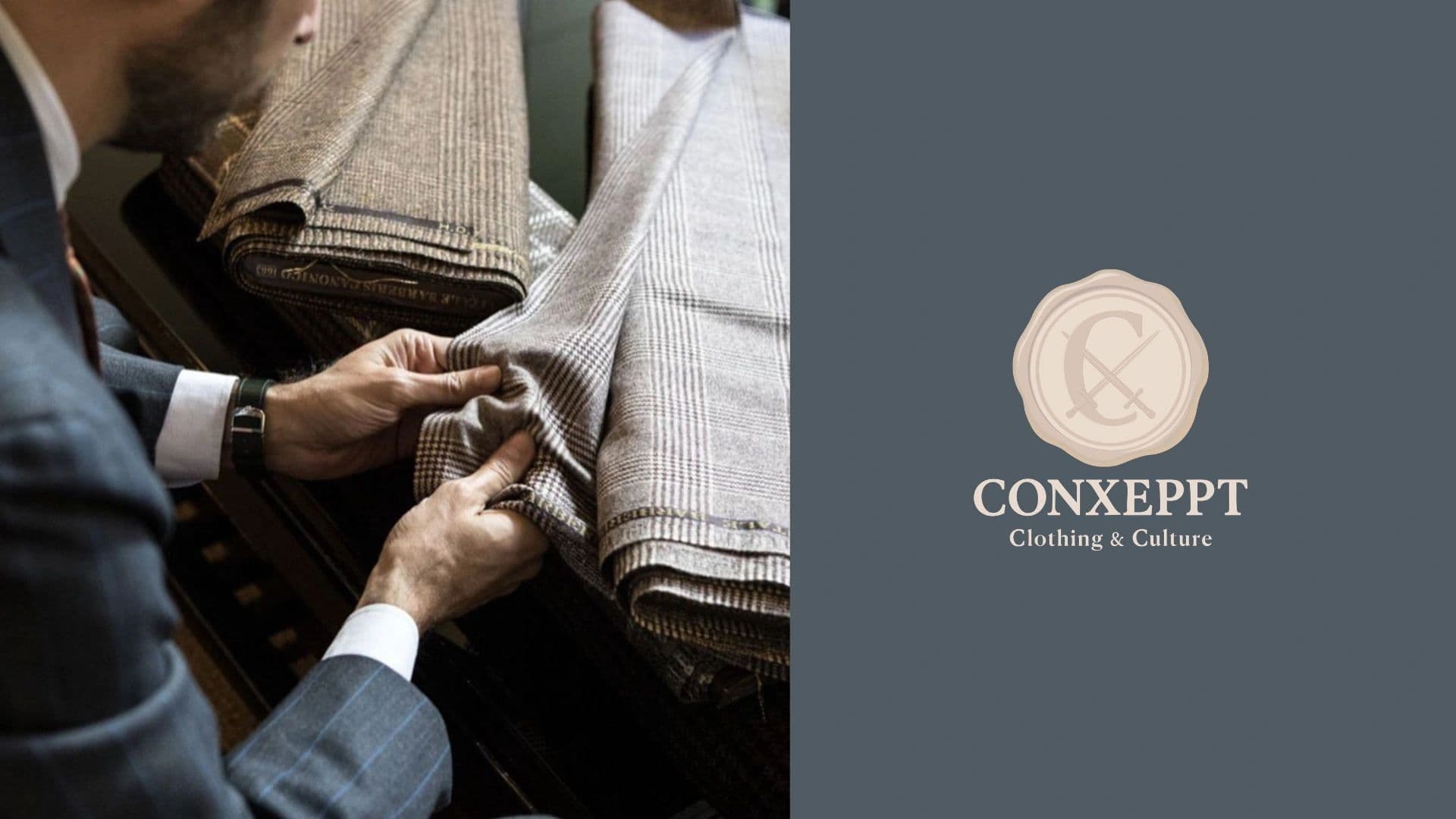
Fabric selection plays a major role in how a suit looks and feels. Clients are guided through fabric options based on seasonality, breathability, drape, and durability. The fitter explains how fabric weight affects structure and comfort, and how weave and texture influence appearance.
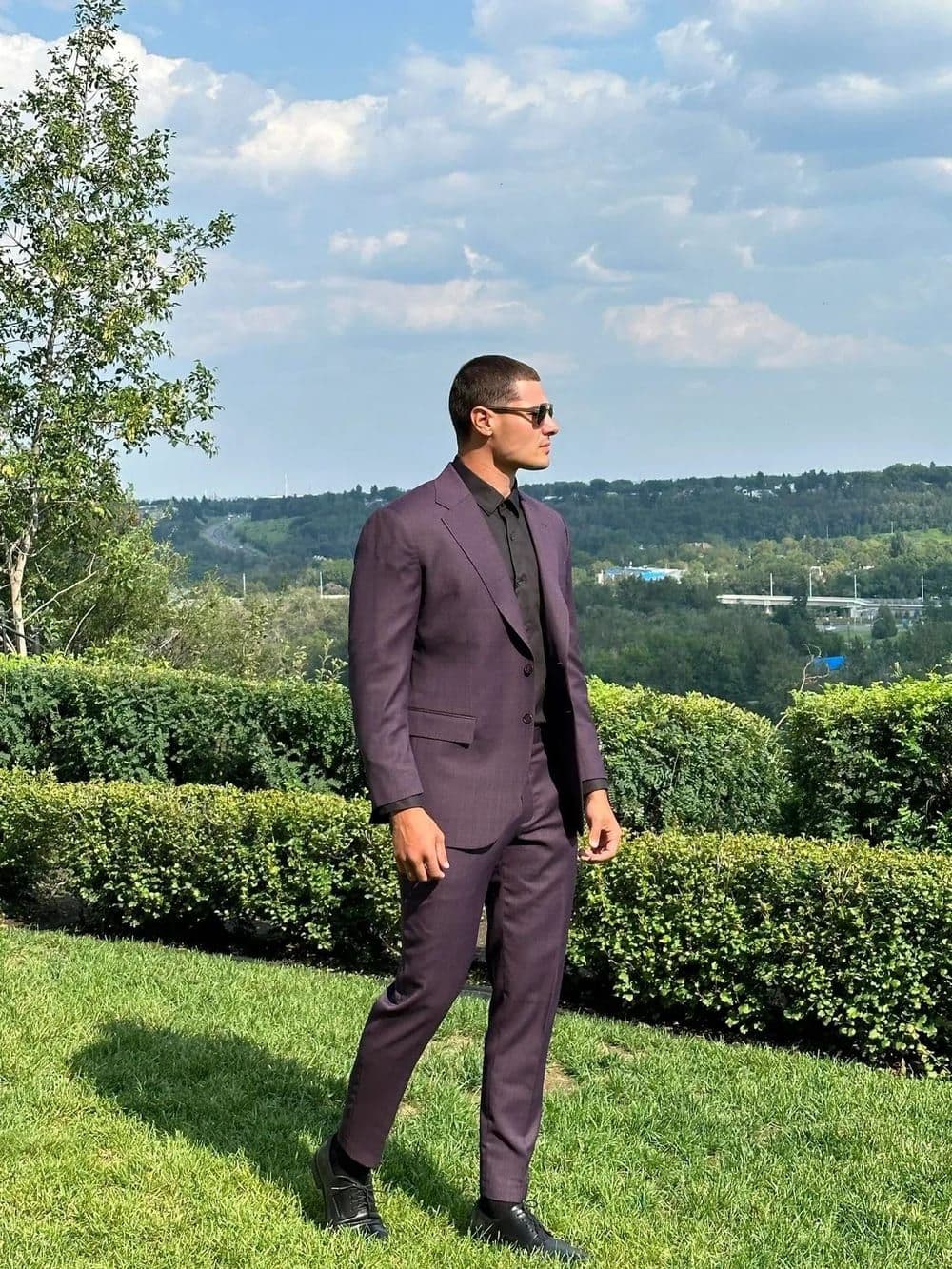
Design elements are finalized during this stage, including:
• lapel style and width
• button stance and configuration
• pocket style and lining options
• overall formality level
Clients seeking visual inspiration often review menswear style editorials to better understand how these elements come together in finished garments.
How Measurements Are Taken and Assessed
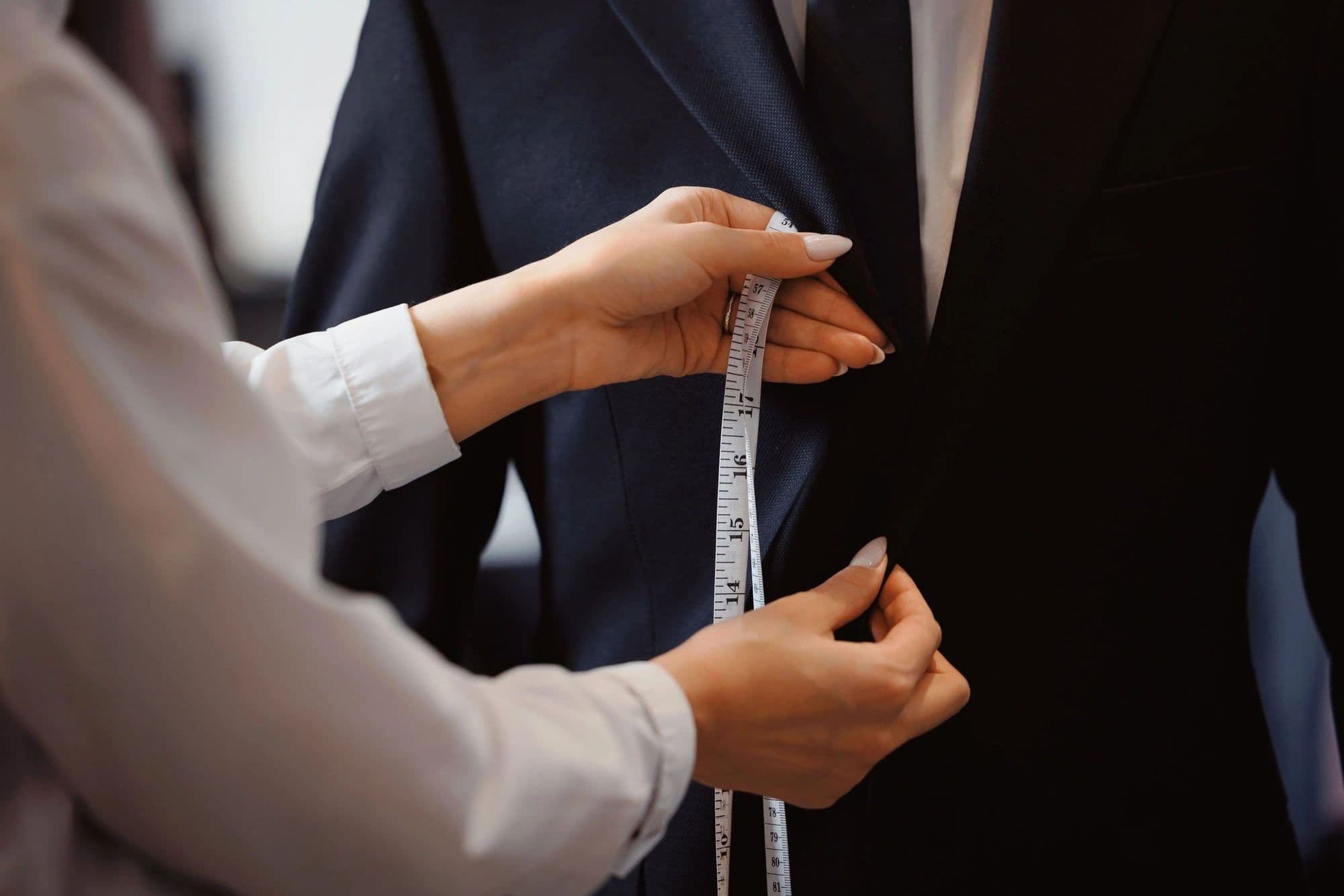
Once design direction is set, precise measurements are taken. These go beyond basic sizing to ensure balance and proportion across the entire garment.
Measurements typically include:
• chest, waist, and hips
• shoulder width and slope
• sleeve length and jacket length
• inseam, rise, and trouser break preference
• neck and collar positioning
Each measurement is recorded carefully and reviewed to ensure consistency. This data becomes the technical blueprint for the suit.
Posture, Movement, and Fit Precision
Posture assessment is a critical part of the fitting process. The fitter observes how you stand, how your shoulders naturally rest, and how your arms move when walking or sitting.
Accounting for posture helps prevent common issues such as:
• collar roll
• shoulder pulling or drag lines
• restriction through the chest or upper back
By factoring in movement, the finished suit maintains a clean appearance while allowing comfort throughout the day.
How Client Preferences Shape the Final Suit
Throughout the fitting, personal preferences are documented to ensure the suit reflects how the client wants it to feel and look.
Preferences may include:
• level of jacket suppression
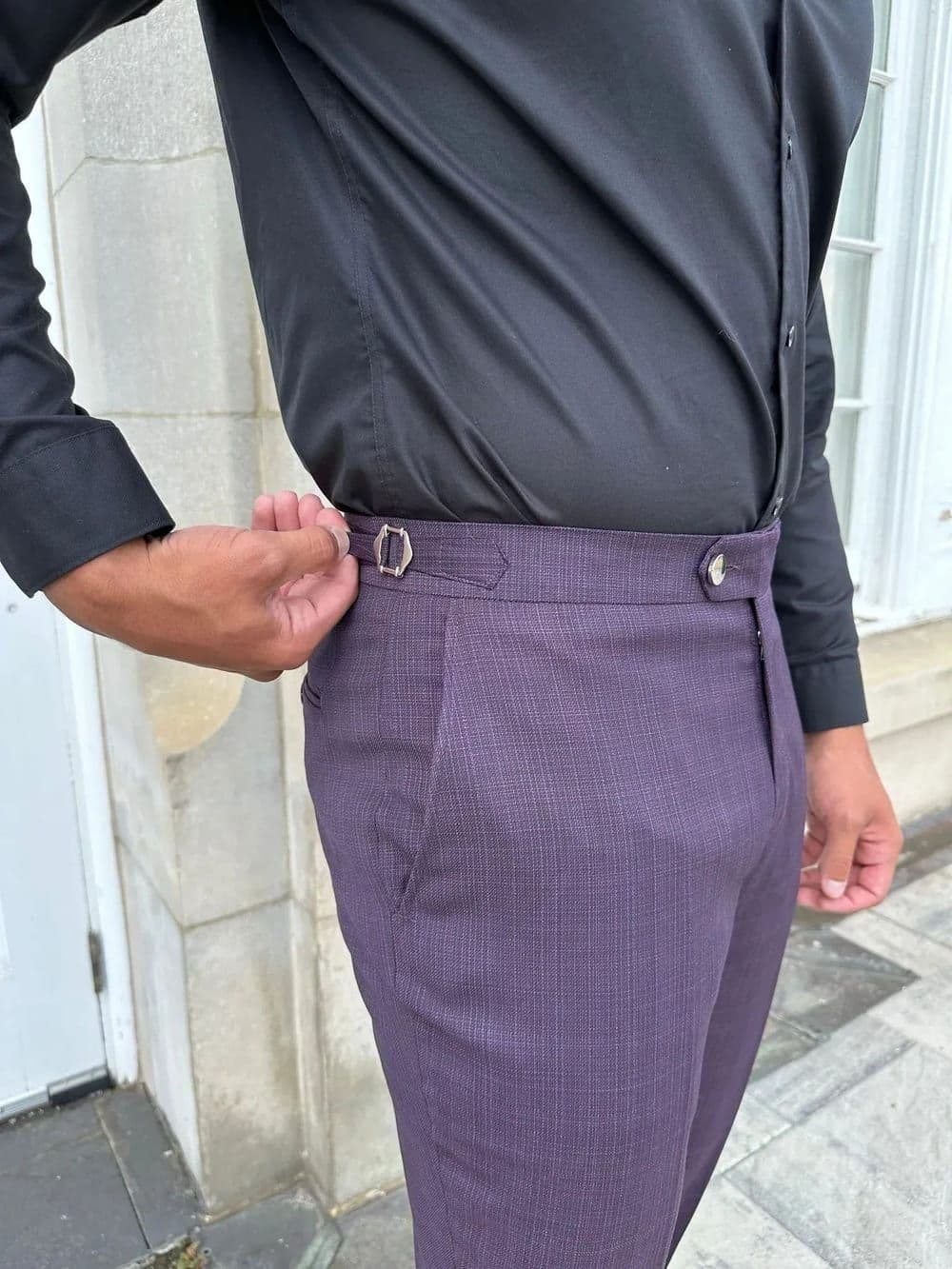
• sleeve and trouser break length
• overall ease of movement versus sharp tailoring
These recorded measurements and preferences create long term value beyond a single garment. Once your profile is established, future suits can be produced more efficiently with greater consistency in fit and style. Over time, each fitting refines the data further, resulting in garments that feel increasingly dialed in while reducing the need for repeated adjustments.
What Happens After Your Suit Fitting
After the fitting session, measurements and preferences are sent into production. Tailors use this information to cut and construct the garment according to the established specifications. Once complete, a follow up fitting may be scheduled to fine tune any final adjustments.
Clients ready to move forward or looking to secure their appointment can book a suit fitting appointment directly with Conxeppt.
A suit fitting at Conxeppt Clothing is not a rushed measurement session. It is a collaborative process designed to deliver accuracy, comfort, and a confident final appearance that reflects how you want to show up.