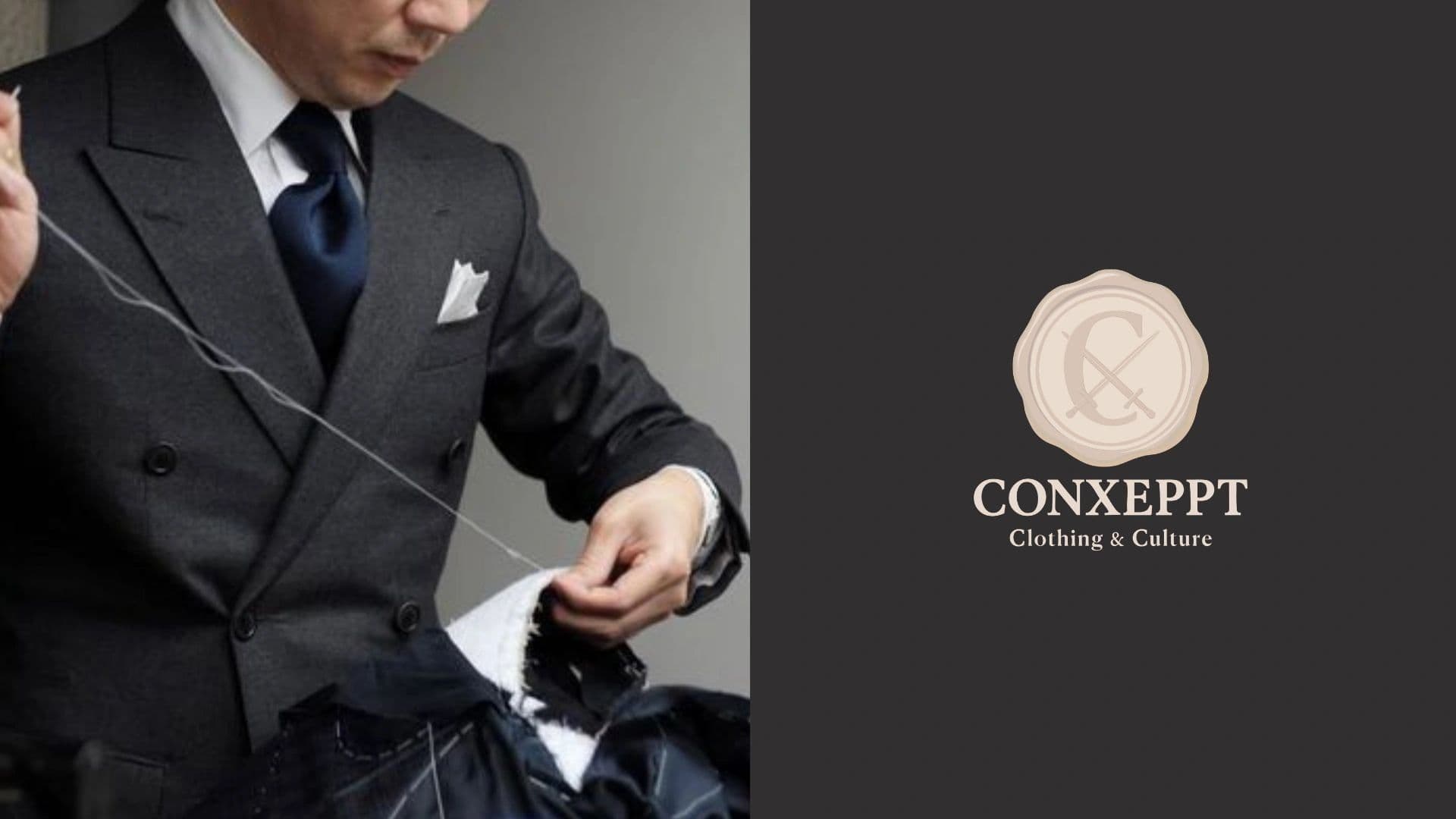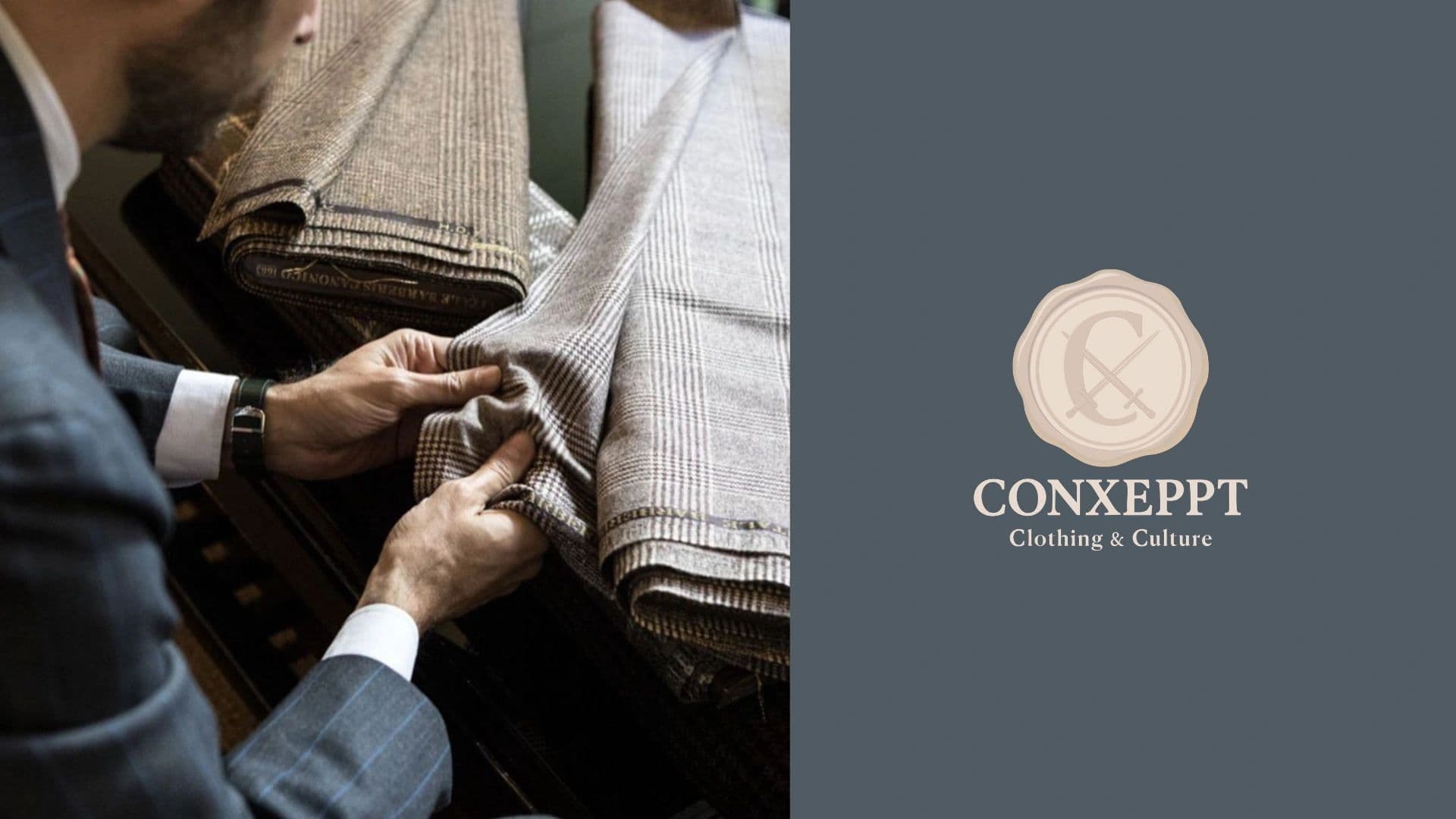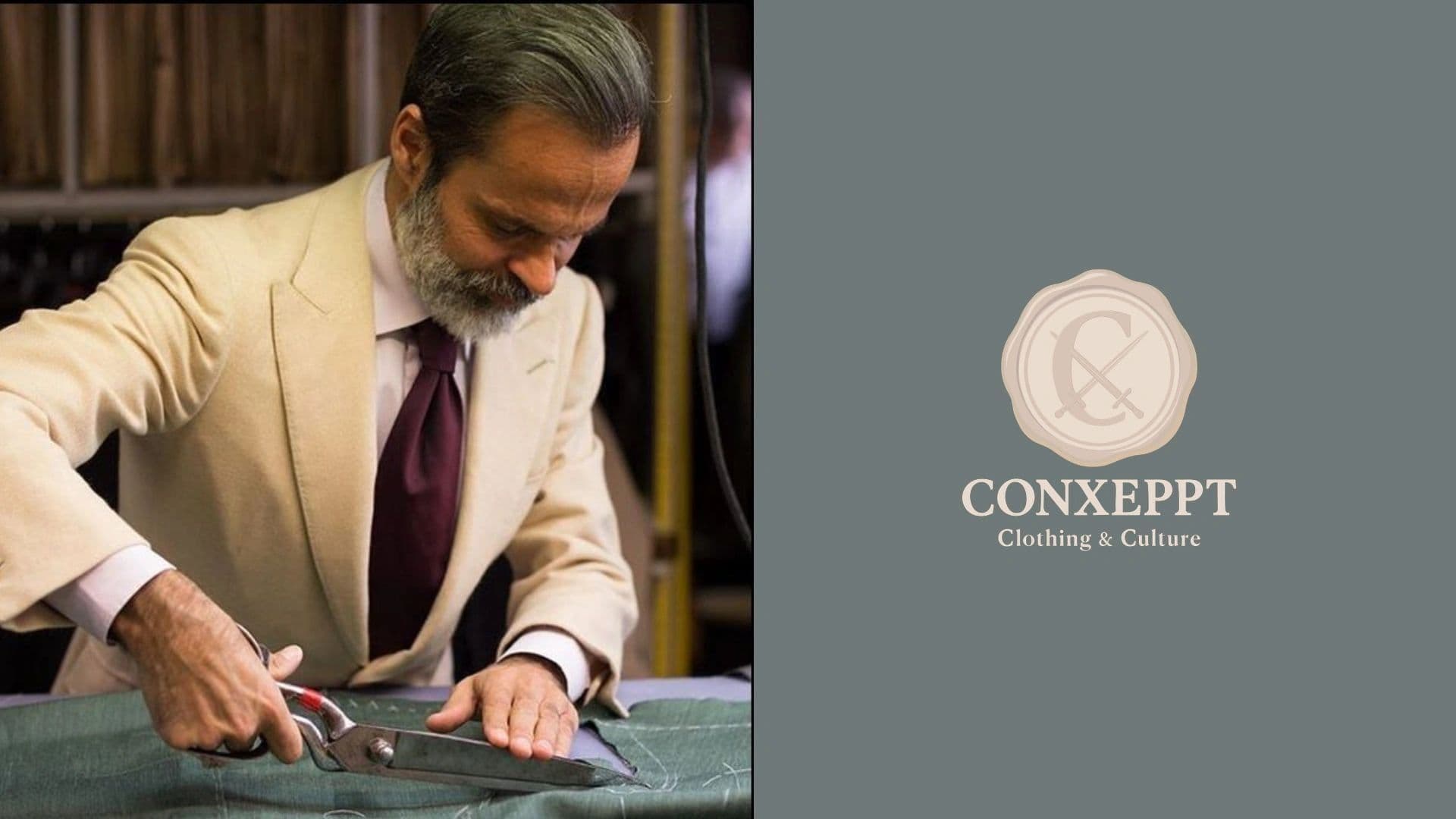

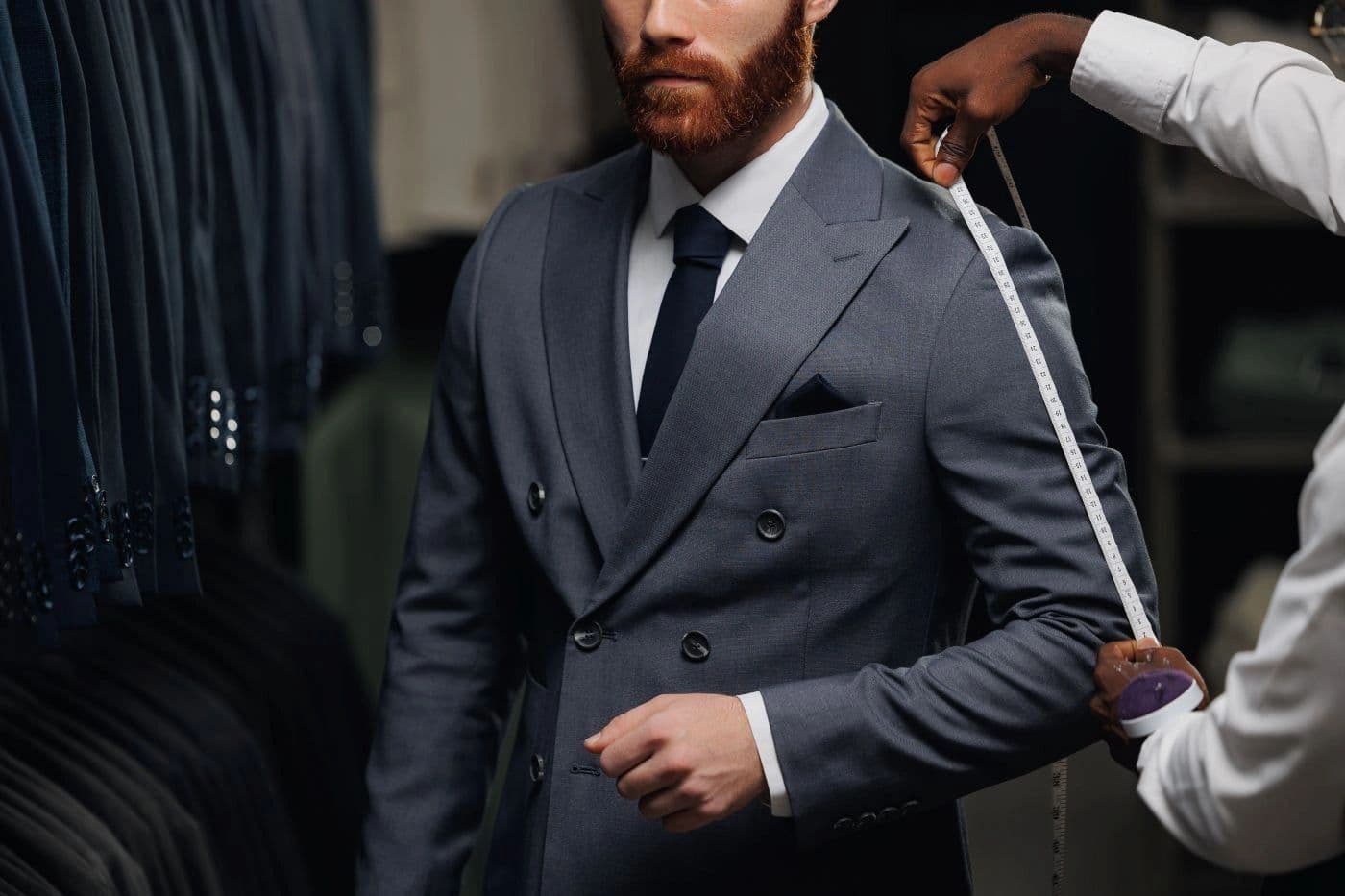
When people shop for suits, brand names often dominate the conversation. Designer labels are associated with status, quality, and craftsmanship, which makes them an easy shortcut when making a purchase decision. The problem is that a brand name alone does not determine how a suit actually looks or feels once it is worn.
At Conxeppt, this distinction comes up often when clients compare off-the-rack designer suits with properly fitted garments. Fit influences comfort, movement, appearance, and longevity in ways that branding simply cannot replace. A well-fitted suit, regardless of label, will always outperform a poorly fitted high-end one in real-world wear.
How Fit Directly Affects Comfort and Movement
Fit determines how a suit behaves when you move, sit, walk, and stand throughout the day. Even the most expensive fabric cannot compensate for a jacket that pulls across the shoulders or trousers that restrict movement.
When a suit fits properly, it allows for:
- Natural arm and shoulder movement without tension
- Comfortable sitting and standing without fabric strain
- Balanced weight distribution across the body
- Reduced wear at stress points over time
Poor fit leads to constant adjustment, discomfort, and premature fabric breakdown, regardless of the brand name inside the jacket.
Appearance Is Driven by Structure, Not Branding
From a visual standpoint, fit controls how clean and intentional a suit looks. Elements like shoulder alignment, jacket balance, and drape are immediately noticeable, even to people who are not familiar with tailoring.
A properly fitted suit creates:
- Clean shoulder lines that sit flat without divots or overhang
- Even drape through the chest and waist without pulling
- Proper sleeve and trouser break that complements posture
- Balanced jacket length that aligns with the wearer’s proportions
By contrast, a poorly fitted designer suit can look sloppy or unstructured, even if the fabric and branding are premium.
Custom Fit Versus High-End Off-the-Rack Brands
High-end off-the-rack suits are designed around average body types, which means they rarely align perfectly with individual proportions. While tailoring adjustments can help, there are limits to how much structure and balance can be corrected after a suit is already made.

A custom-fitted suit accounts for:
- Shoulder slope and posture
- Chest and waist relationship
- Arm position and sleeve pitch
- Natural stance and movement patterns
This level of personalization is why custom suit tailoring in Edmonton consistently outperforms designer off-the-rack options when it comes to overall appearance and comfort.
Longevity and Wear Over Time
Fit also determines how long a suit maintains its shape. Stress points created by poor fit lead to faster fabric fatigue, seam strain, and distortion over time. Jackets that pull at the buttons or trousers that stretch at the seat tend to wear out far sooner than garments that fit correctly from the start.
A suit that fits properly:
- Experiences less strain during daily movement
- Maintains structure longer
- Requires fewer alterations and repairs
- Ages more evenly with consistent wear
Over time, this makes fit a stronger indicator of value than branding.
Why Fit Reflects Craftsmanship More Than Labels
Brand names often signal marketing strength or design identity, but fit reflects craftsmanship. Attention to measurements, balance, and proportion shows how carefully a garment was constructed and finished.
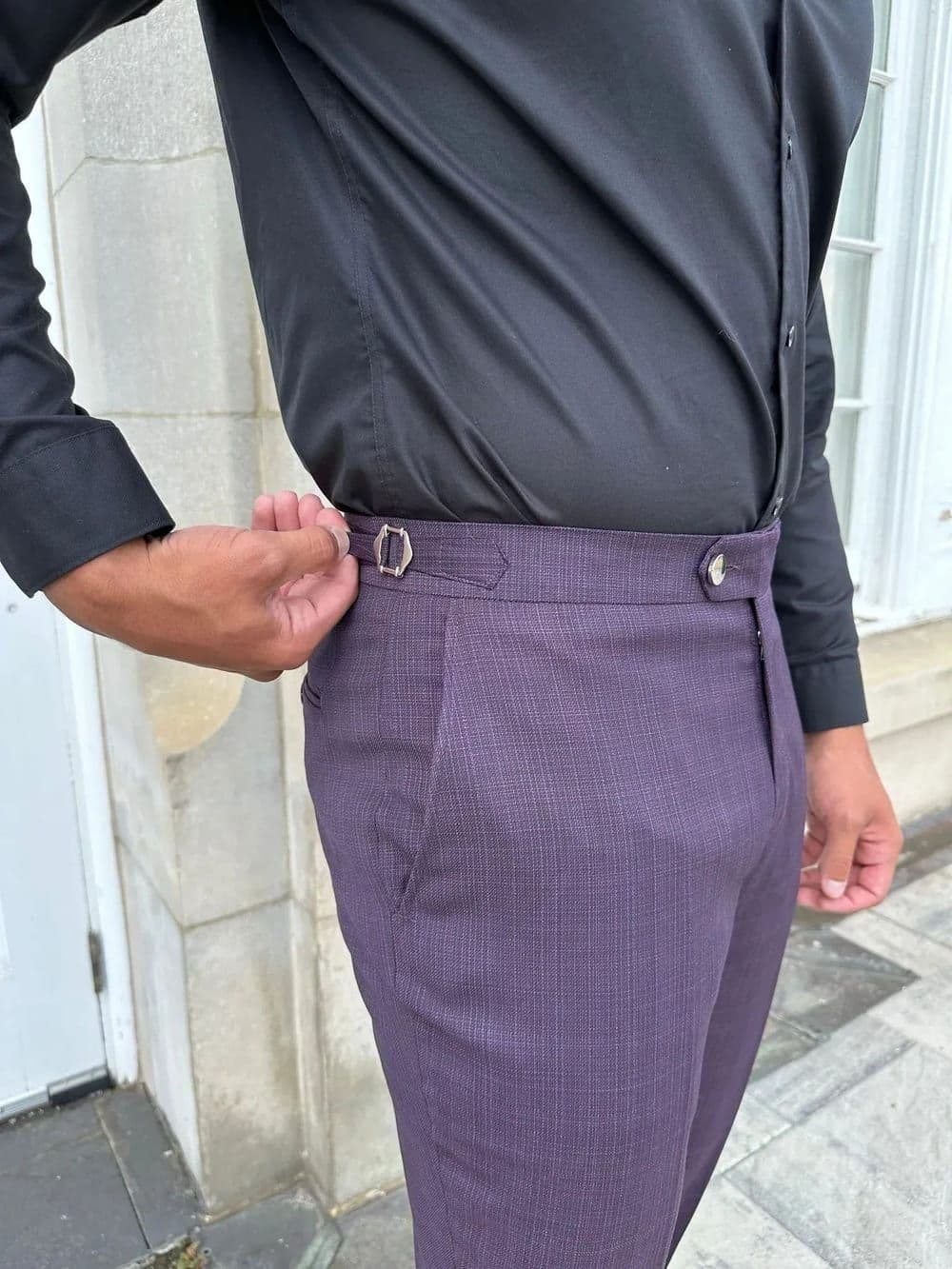
These principles are explored in more depth throughout Conxeppt’s editorial content, where tailoring philosophy, fit standards, and garment construction are discussed beyond surface-level fashion trends.
Choosing Fit Over Brand Labels
Choosing fit over branding does not mean ignoring quality. Instead, it means prioritizing how a suit actually functions in real life. A well-fitted suit communicates confidence, intention, and attention to detail without relying on visible labels.
For professionals who value comfort, movement, and appearance, fit becomes the defining factor rather than the name stitched inside the jacket.
When to Consider a Custom Suit
Custom suits are especially worth considering when:
- Off-the-rack jackets do not sit cleanly on the shoulders
- Sleeve or trouser alterations feel excessive
- Comfort varies throughout the day
- Appearance changes depending on posture or movement
These are clear indicators that fit, not brand, is limiting the garment’s performance.
If you want to discuss fit, proportions, or tailoring options directly, you can contact Conxeppt for a custom suit consultation to review measurements and next steps.