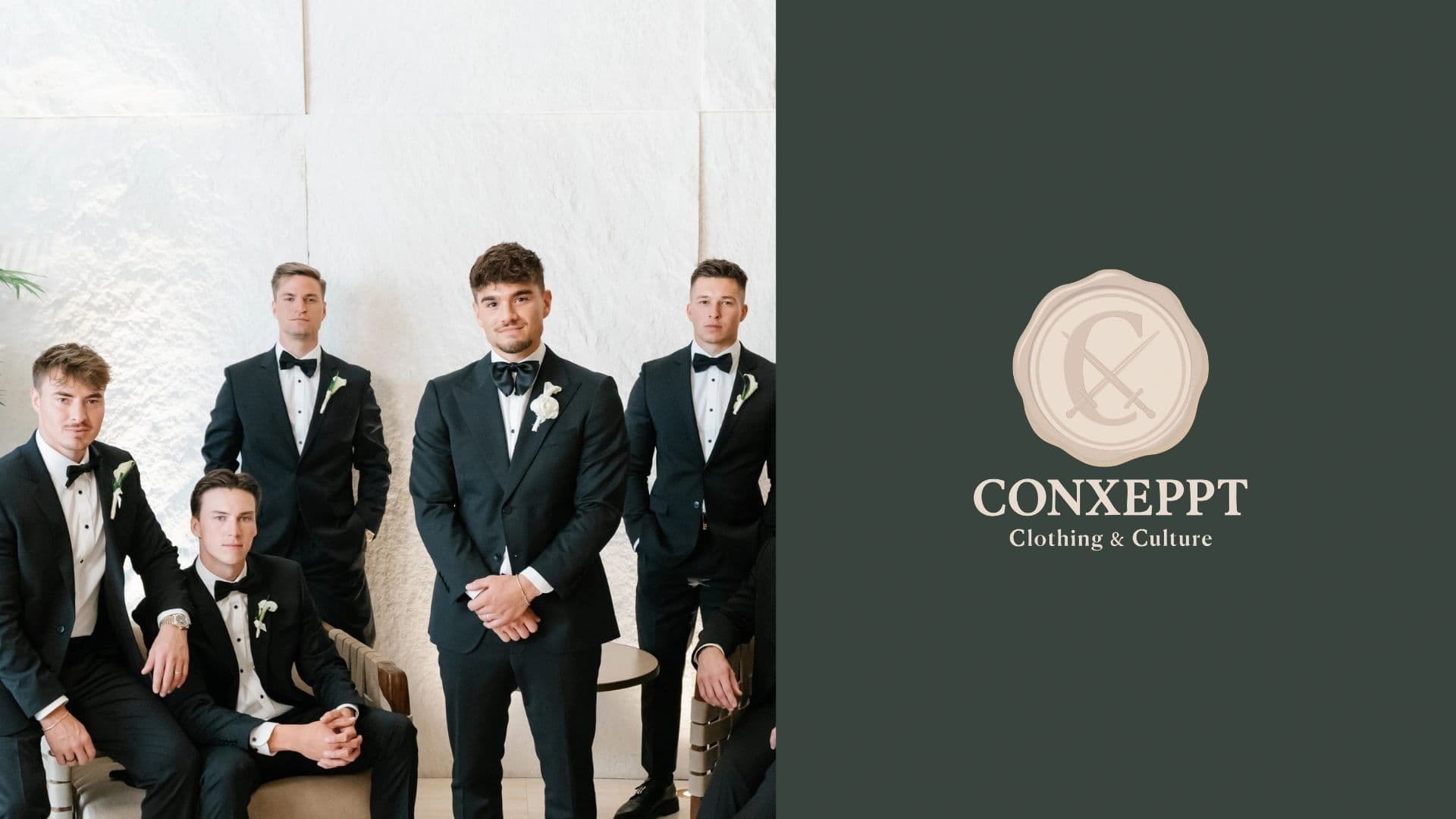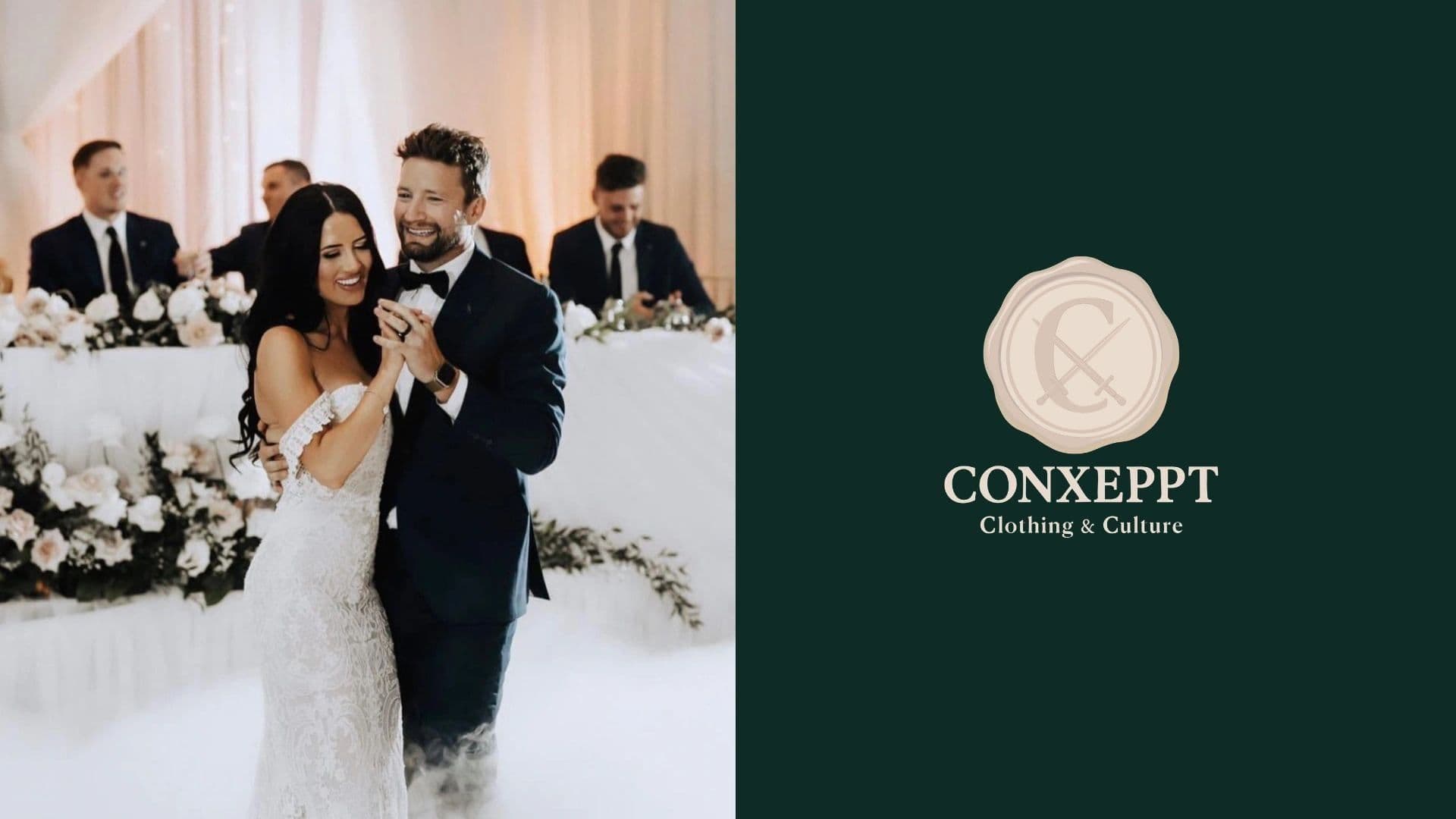

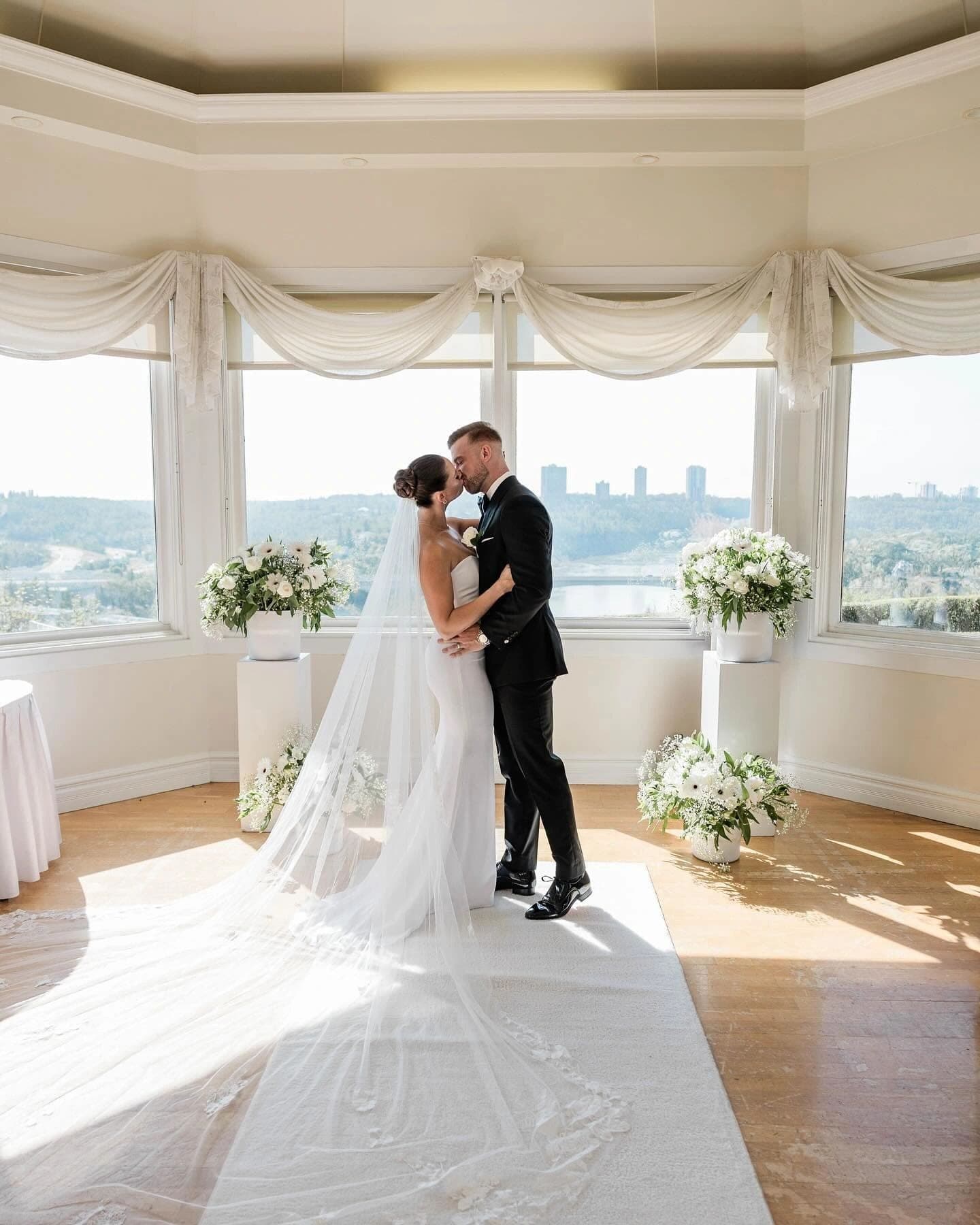
Choosing a wedding suit that photographs well requires understanding how fabric, colour, fit, and contrast behave under professional cameras and varied lighting. The goal is visual clarity, balanced contrast, and preserved detail, principles emphasized in the styling approach used by Conxeppt Clothing.
Why Some Suits Look Better on Camera Than Others
Cameras capture light, edge definition, and surface reflection differently than the human eye, which means certain fabrics and colours maintain structure and depth while others flatten or glare. Suits that photograph well usually combine controlled texture, medium colour depth, and precise fit, which together create clean lines and separation from the background and surrounding people.
Quick Visual Guide to Photo Friendly Suit Choices
Certain elements consistently influence how well a suit translates into photographs, and these can be adjusted without changing the overall formality of the outfit.
Fabric Texture and Surface Finish
Fabric choice determines how light is absorbed or reflected, which directly affects visual clarity.
Photo friendly characteristics include:
- Fine weaves that provide depth without obvious shine.
- Matte or low sheen finishes that reduce hot spots under flash or direct lighting.
- Structured cloth that holds shape rather than collapsing or wrinkling.
Highly glossy or overly textured materials can reflect light unevenly, which causes glare or patchy highlights. Many clients begin comparing suitable fabric types and finishes through the Conxeppt Clothing homepage to understand overall material direction before narrowing choices.
Color Tone and Depth
Colour tone affects separation between the subject and the environment.
Reliable choices include:
- Mid to deep tones that hold colour under bright or mixed lighting
- Colours that contrast enough with skin tone and background without appearing harsh.
Very pale tones can lose definition in bright light, while extremely dark tones can merge into shadow, reducing visible detail.
Fit Precision and Silhouette Clarity
Precise tailoring shapes how the body line appears on camera, because cameras emphasize outlines more than volume.
Key outcomes of strong fit include:
- Clean shoulder lines that define the upper frame.
- Waist shaping that creates a structured silhouette.
- Trousers that fall cleanly without bunching or excessive break
Loose or overly tight garments both distort shape, either by hiding the body line or creating tension lines that draw attention.
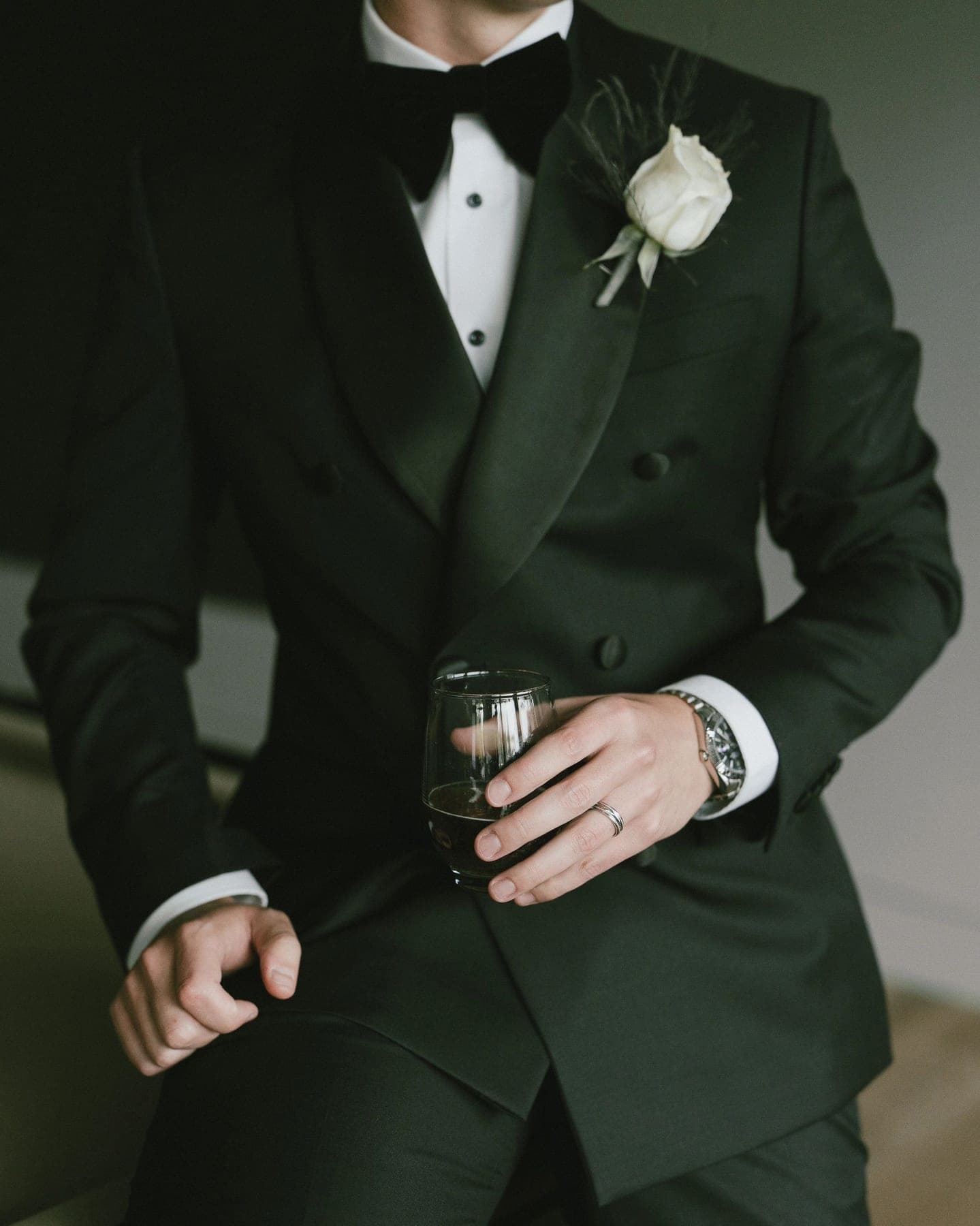
Contrast With Shirt and Accessories
Contrast between the suit, shirt, and accessories creates visual separation in photos.
Effective contrast involves:
- A shirt that clearly separates from the suit jacket without overpowering it.
- Accessories that add definition rather than introduce competing colours.
- Controlled use of darker or lighter elements to frame the face.
Low contrast combinations can cause the outfit to blend together, while extreme contrast can distract from facial expression.
Detail Elements, Lapels, Buttons, and Lining
Small details behave differently under photography than in person, so they should support the overall structure rather than carry the entire styling decision.
Details that usually show clearly:
- Lapel shape and width, which define formality and structure.
- Button stance and placement, which affect jacket proportions
Subtle lining colours or interior features rarely appear in photos unless intentionally displayed, so they should not be relied on as primary visual features. Couples and individuals often compare fabrics, finishes, and wedding appropriate details through the Conxeppt Clothing wedding formalwear guide to see how choices align with ceremony and reception styling.
How Lighting Conditions Change Suit Appearance
Lighting direction and intensity change how colour and texture read in photos, sometimes more than the suit itself.
Important effects include:
- Direct sun increasing contrast and highlighting surface shine.
- Shade softening contrast but deepening darker tones.
- Artificial indoor light introducing colour shifts and uneven reflection.
Suits that perform well under mixed lighting typically have moderate colour depth and low reflectivity.
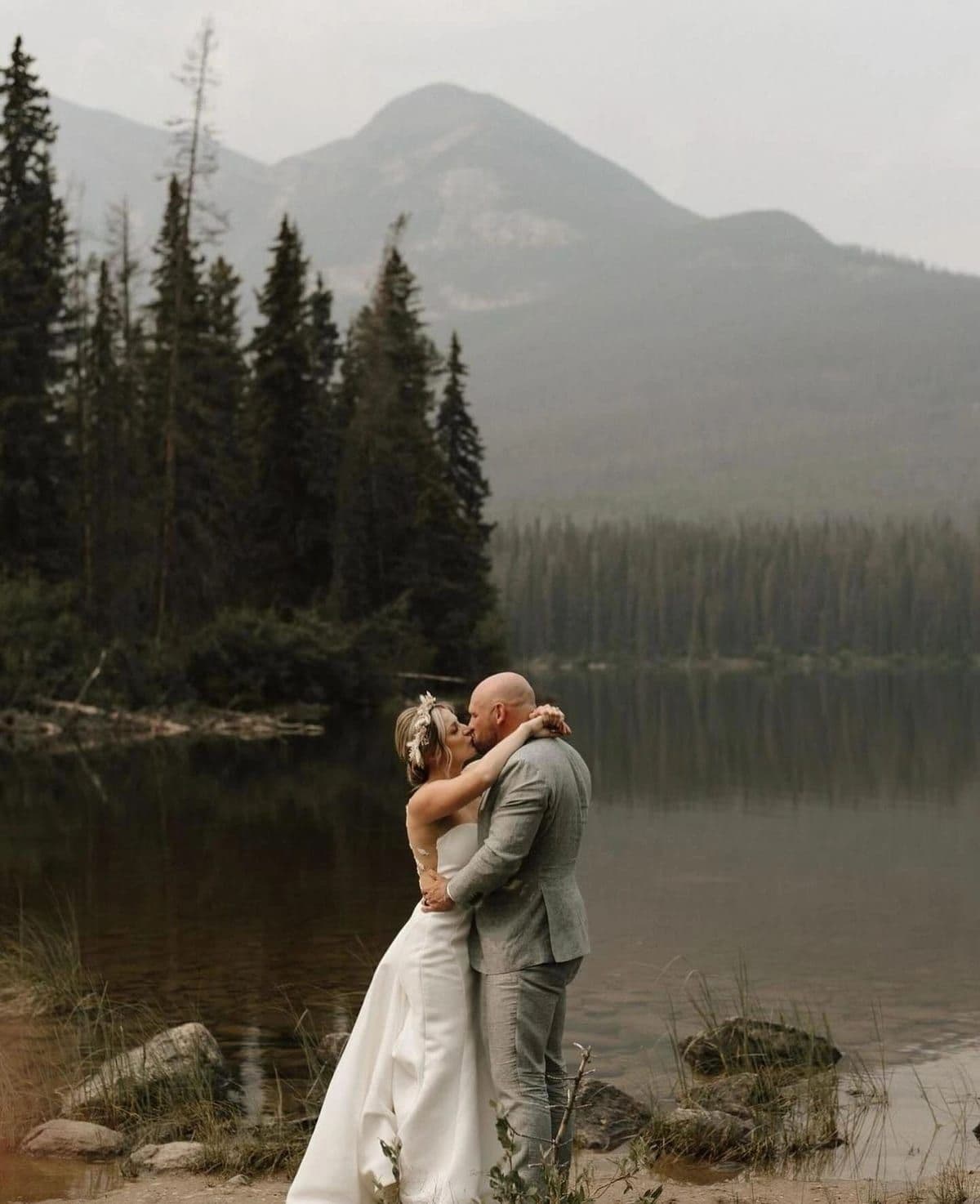
Indoor vs Outdoor Venue Considerations
Indoor and outdoor environments create different visual challenges for suits, which should guide fabric and colour decisions.
Indoor venues often include mixed artificial lighting that can emphasize shine and reduce depth in very dark or very light fabrics. Outdoor settings introduce natural light that can exaggerate contrast and make subtle colour differences more visible, which means balanced mid range tones often remain the most reliable.
Seasonal Color and Fabric Effects
Seasonal conditions influence both background tones and light quality, which affect how suit colours appear.
Brighter summer light can wash out very pale colours and intensify reflections, while softer winter light can make dark suits appear heavier. Warmer seasonal backdrops can alter perceived colour temperature, so choosing tones that remain neutral under different light warmth helps maintain consistency in photos.
Common Suit Choices That Create Photo Issues
Certain choices regularly reduce sharpness or create visual problems in wedding photography because they interfere with light control or silhouette clarity.
Frequent issues include:
- High gloss fabrics that create glare or bright patches under flash.
- Extremely dark suits that lose detail in shadowed settings.
- Very light suits that blend into bright backgrounds.
- Poor fit that causes pulling, bunching, or uneven lines.
- Low contrast between suit, shirt, and accessories, which reduces definition.
Individuals who want to align fabric, colour, and detail choices with venue lighting and photography style can coordinate directly with the Conxeppt Clothing contact team to ensure the final suit performs well on camera.