
Choosing between a tuxedo and a suit for a wedding often depends on the formality of the event, the venue, and the time of day. While both are considered formalwear, they differ in structural details, styling traditions, and the situations where each is typically worn. Understanding these differences helps wedding guests and grooms choose attire that aligns with the event’s expectations and overall aesthetic. Conxeppt offers a range of formalwear options designed to match modern wedding styles and dress codes.
Understanding the Difference Between a Tuxedo and a Suit
A tuxedo and a suit share a similar overall structure, consisting of a tailored jacket and matching trousers. The primary differences appear in the materials, finishing details, and level of formality associated with each garment.
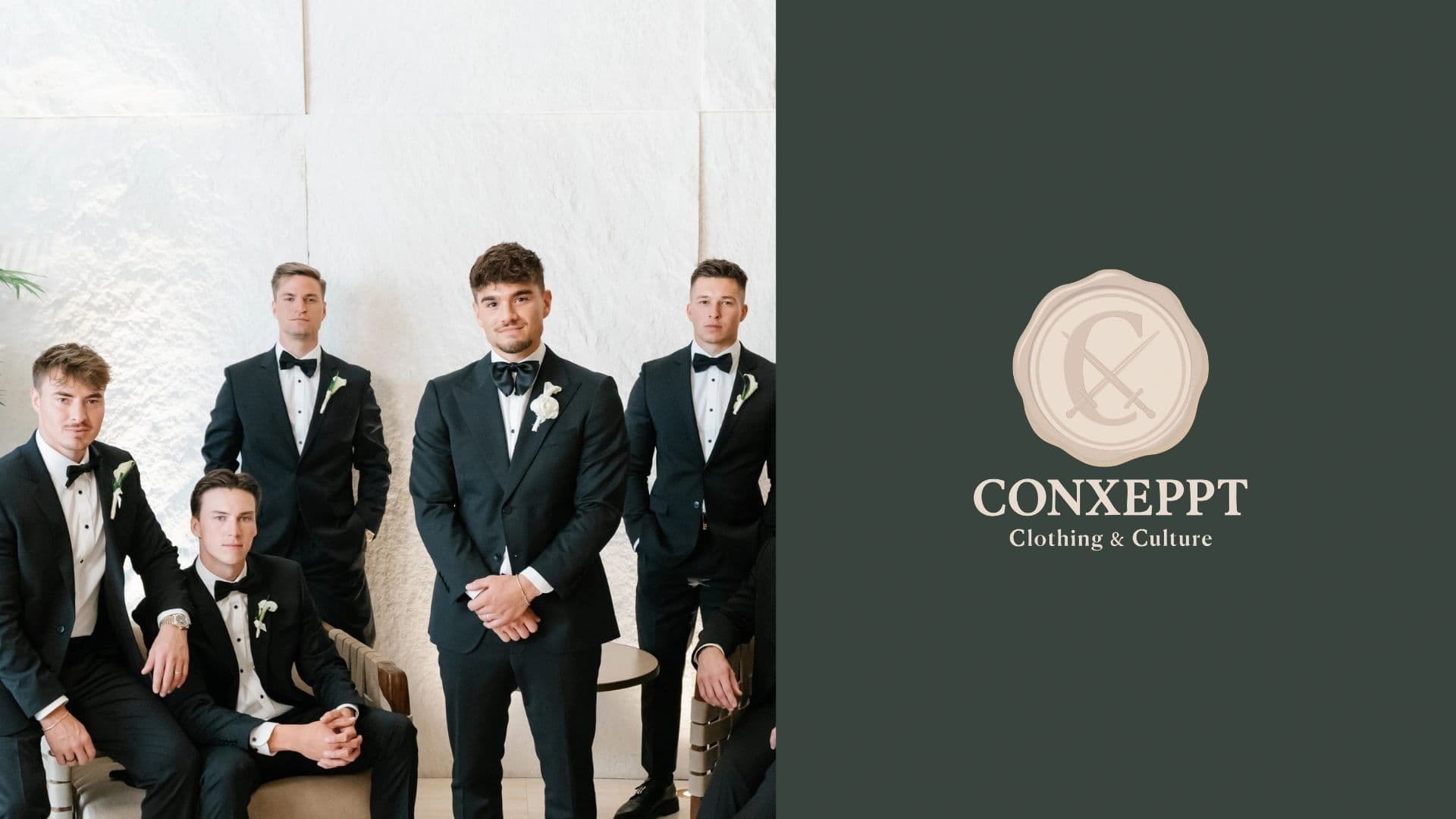
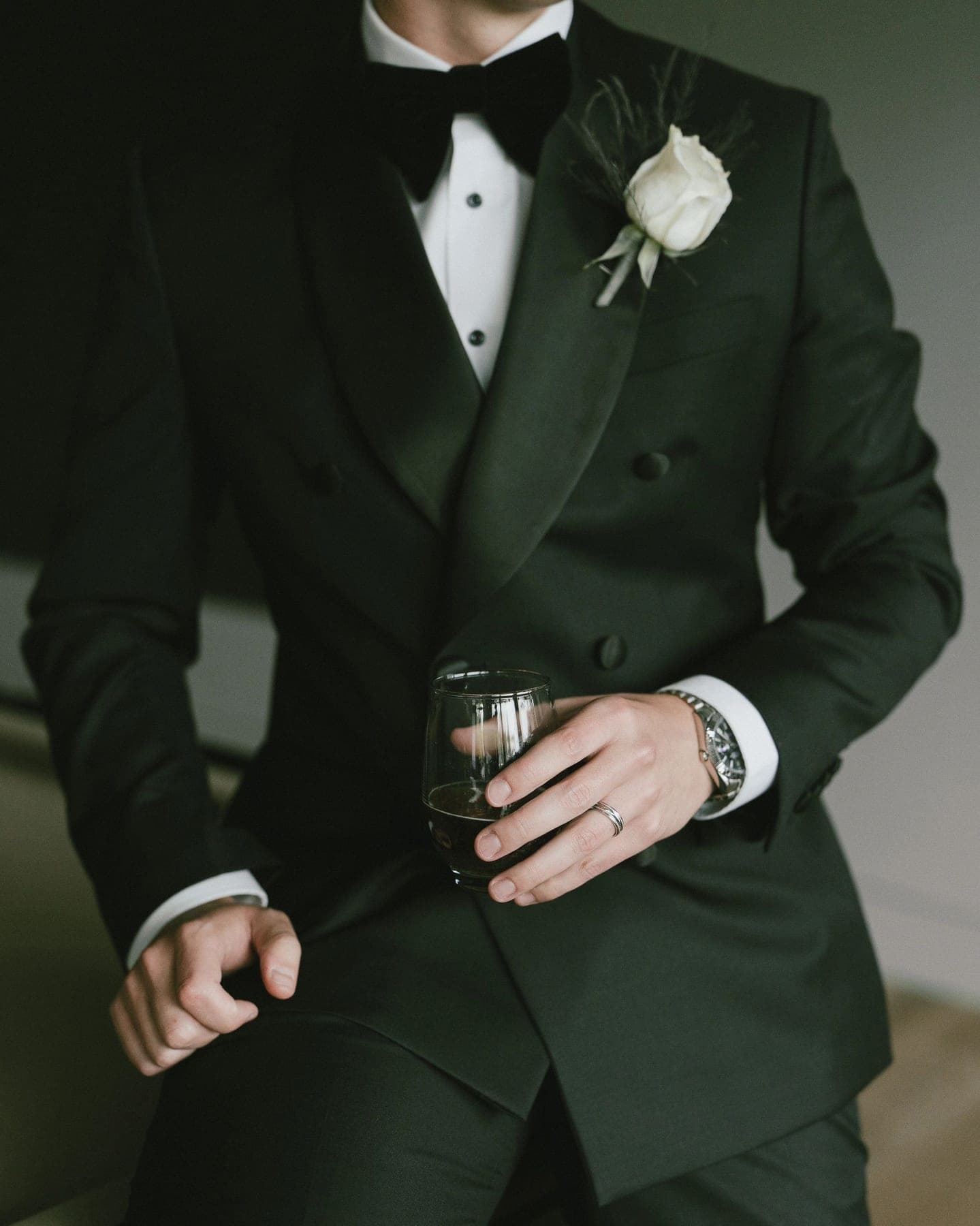
Tuxedos are traditionally considered the more formal option because of their satin detailing and association with evening formalwear traditions. Classic tuxedo design typically includes satin lapels, satin covered buttons, and other formal finishing details, although some modern tuxedo designs may vary slightly depending on styling preferences.
Suits use matching fabric throughout the jacket and trousers and are generally designed for broader use across business, social, and formal occasions. Because of these design differences, tuxedos are most often associated with black tie events and evening ceremonies, while suits are commonly worn for weddings that follow formal, semi formal, or relaxed dress codes.
Tuxedos are traditionally worn for black tie weddings and other formal evening events, although modern weddings may occasionally incorporate tuxedos in other formal settings depending on the dress code.
Key Visual Differences Between Tuxedos and Suits
Several design details make tuxedos visually distinct from suits. These elements collectively signal the level of formality expected from the outfit and help differentiate traditional evening wear from standard tailored clothing.
Satin Lapels and Trim
One of the most recognizable tuxedo features is the presence of satin on the lapels. Tuxedo jackets typically use satin facing on shawl lapels or peak lapels, creating a subtle contrast with the main fabric of the jacket.
Tuxedo trousers may also include a satin stripe running down the outside seam of each leg. Satin covered buttons are another common element used to reinforce the formal appearance of the garment.
Suits generally avoid satin finishes and instead use the same fabric for lapels, and trousers. This uniform fabric construction and horn buttons gives suits a slightly less formal appearance compared with tuxedos.
Shirt Styles and Formal Details
Tuxedos are traditionally paired with tuxedo shirts that include pleated fronts or structured bib fronts designed specifically for evening wear. These shirt designs highlight the formal structure of the tuxedo and are intended to complement bow ties and decorative studs.
These shirts are typically worn with stud buttons and French cuffs, which accommodate cufflinks.
Suits are usually worn with standard dress shirts that feature a smooth front and conventional buttons. These shirts are compatible with neckties or other accessories used for business and formal settings.
Accessories and Styling
Accessories also help distinguish tuxedos from suits.
Tuxedos are most often worn with bow ties rather than neckties and may include accessories such as cummerbunds or waistcoats designed for formal evening attire. These accessories cover the waist area and create a clean visual transition between the jacket and trousers.
Patent leather shoes and formal studs are also commonly associated with tuxedo styling.
Suits are typically worn with neckties and may include pocket squares, waistcoats, or other accessories depending on the level of formality desired.
Formality Levels and Wedding Dress Codes
Wedding dress codes often guide whether a tuxedo or suit is the appropriate choice. Invitations or wedding websites frequently indicate the expected level of formality using terms such as black tie, formal, semi formal, or cocktail attire.
Black Tie Weddings
Black tie is one of the most formal wedding dress codes. Traditionally, this dress code calls for tuxedos, formal dress shirts, bow ties, and evening appropriate accessories.
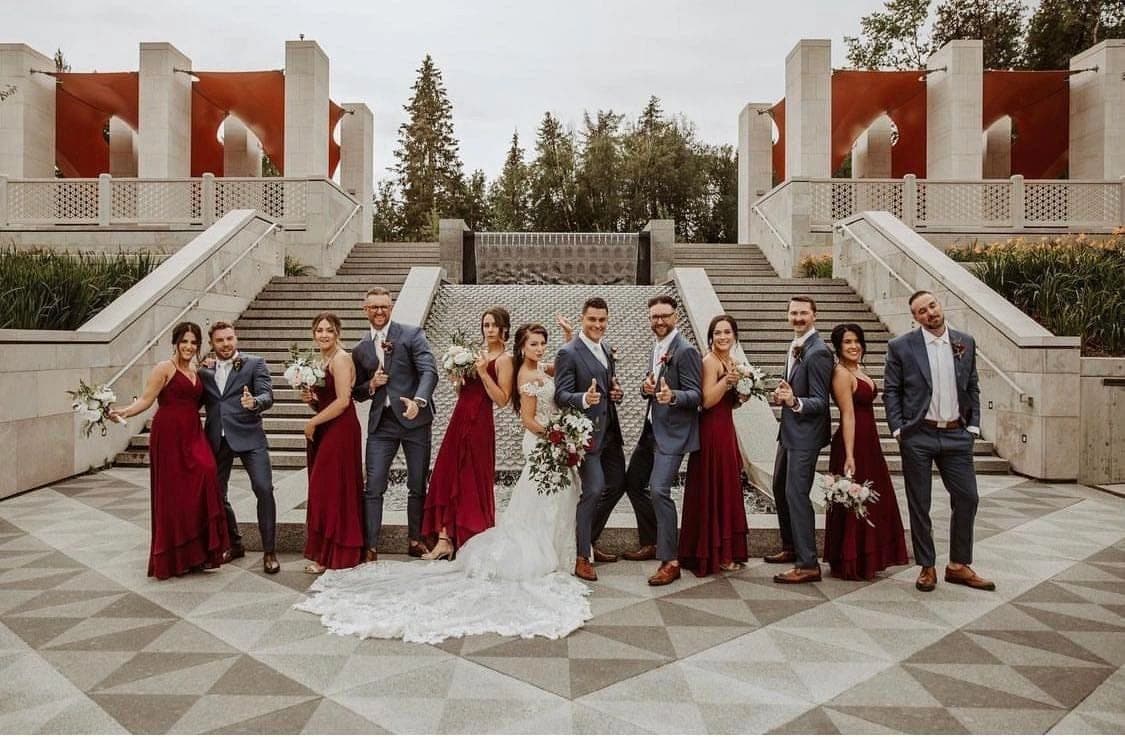
Because tuxedos are designed specifically for black tie occasions, they are traditionally expected attire for men at black tie weddings unless the couple specifies otherwise.
Formal and Semi Formal Weddings
Many weddings fall between casual and black tie levels of formality. Formal or semi formal dress codes typically allow suits while still maintaining a polished appearance.
Formal weddings may encourage darker suits with ties and more structured tailoring, while semi formal dress codes often allow a wider range of styling choices.
The overall styling usually depends on the venue, time of day, and overall wedding theme.
Casual or Outdoor Weddings
Casual weddings and outdoor ceremonies often involve less rigid dress expectations. Venues such as gardens, beaches, or countryside locations typically encourage lighter and more comfortable attire.
In these settings, suits are usually the more practical choice because they balance formal appearance with comfort and versatility. Tuxedos are generally uncommon in these environments rather than strictly prohibited.
How Venue and Timing Influence the Choice
Venue and event timing often influence whether a tuxedo or suit feels appropriate for a wedding. Tuxedos originate from traditional evening formalwear customs, which historically associated formal attire with nighttime events.
Evening Wedding Events
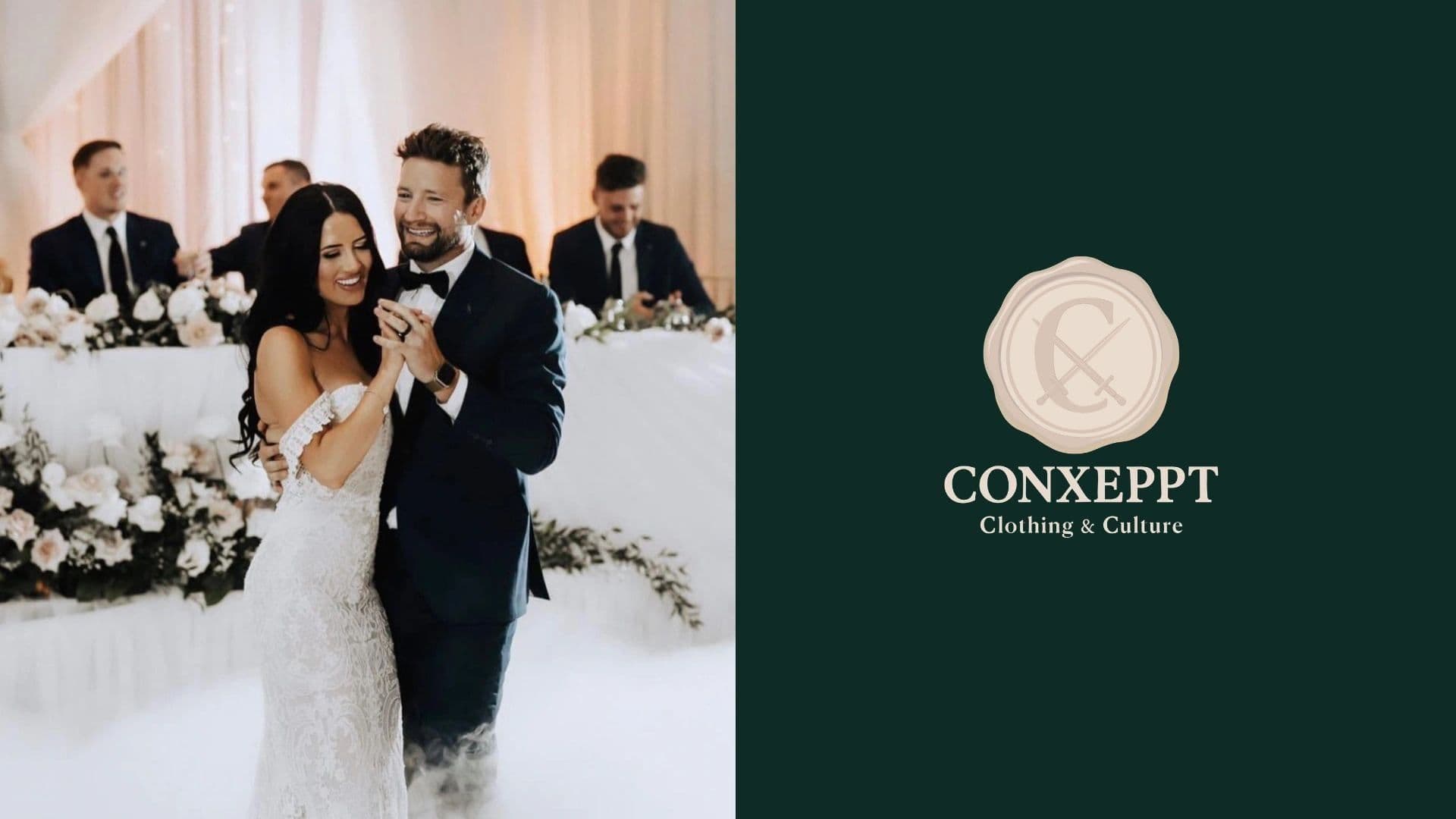
Tuxedos are traditionally associated with evening events. Formal indoor venues such as ballrooms, luxury hotels, and upscale reception halls often create an atmosphere where tuxedos align naturally with the setting.
Indoor lighting, elegant décor, and traditional formal event structure often complement black tie attire and tuxedo styling.
Daytime Ceremonies and Destination Weddings
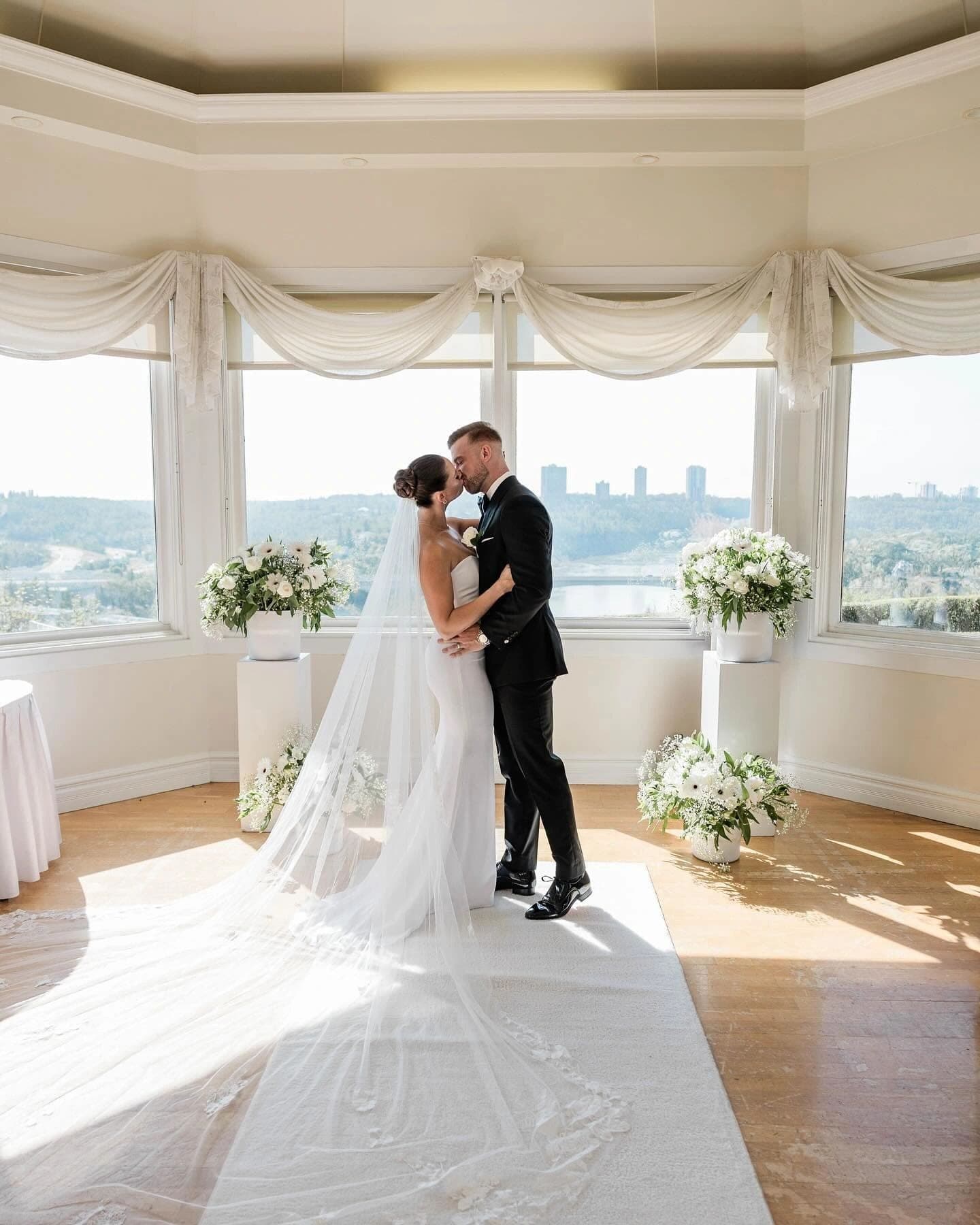
Daytime weddings often involve brighter lighting, outdoor environments, and warmer weather. In these situations, suits are generally considered more practical because they offer flexibility in fabric weight, color selection, and overall comfort.
Destination weddings or ceremonies held in relaxed settings also tend to favor suits because they adapt more easily to climate conditions and informal venues.
Choosing the Right Look for Modern Weddings
Modern weddings often blend traditional formalwear expectations with contemporary styling choices. Couples may choose dress codes that reflect the tone of the celebration rather than strictly following traditional rules.
Some weddings combine classic formalwear with personalized styling choices or themed attire that reflect the couple’s preferences.
Several factors can help determine which option works best.
• Venue formality
• Event timing
• Wedding dress code
• Personal comfort
• Overall wedding theme
Guests and grooms evaluating designer menswear collections often consider these elements when deciding whether a tuxedo or suit better matches the wedding environment.
When a Tuxedo Makes the Most Sense
Certain wedding scenarios traditionally favor tuxedo attire because they emphasize classic evening formalwear and traditional black tie styling.
• Black tie weddings
• Formal evening ceremonies
• Luxury venues
• Traditional wedding styling
These environments typically highlight formal event traditions where tuxedos align with the expected level of formality.
When a Suit Is the Better Option
Suits are often the more appropriate choice when the wedding environment is less formal or when comfort and versatility are priorities.
• Daytime weddings
• Outdoor ceremonies
• Destination weddings
• Relaxed dress codes
These settings typically allow greater flexibility in styling, fabric choice, and overall comfort while still maintaining a polished appearance.
Finding the Right Wedding Formalwear
Selecting wedding formalwear often involves comparing different tailoring styles, fabrics, and accessory combinations. Trying on multiple options helps determine which silhouette and level of formality best suits the event.
During a fitting, individuals often evaluate jacket length, sleeve alignment, shoulder fit, and overall comfort to ensure the outfit fits properly and allows natural movement.
Those exploring modern wedding formalwear can review different styles and design details before making a final decision.
Grooms and wedding parties also commonly coordinate styling so that suits or tuxedos match the overall wedding theme and dress code.
Individuals preparing for a wedding event can also book a fitting appointment to ensure proper sizing and styling for the occasion.